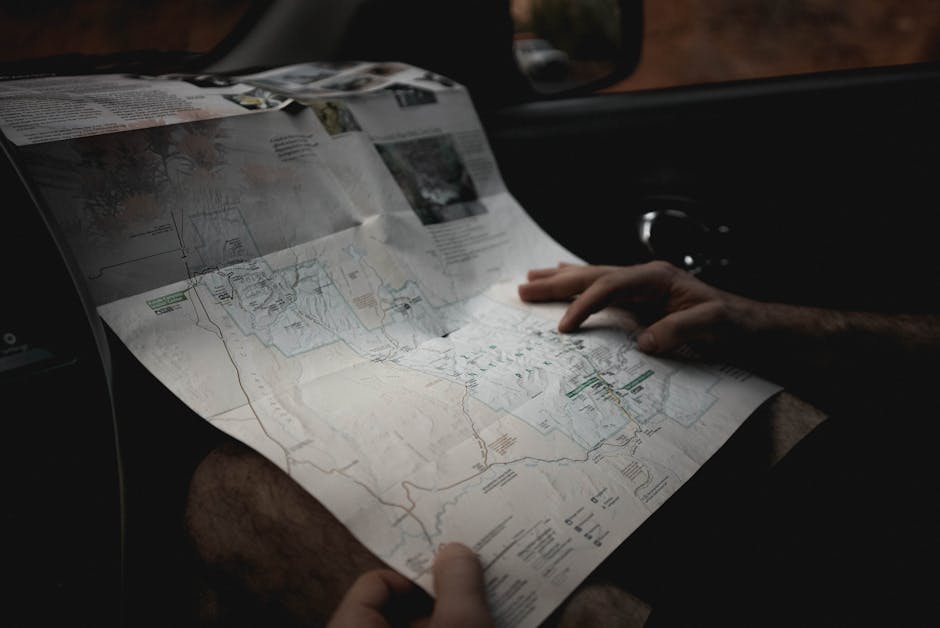
- The Trump administration significantly expanded hunting access on over 640 million acres of federal land.
- New regulations allow firearms to be carried in national parks and permit game cleaning in public restrooms.
- Restrictions on hunting methods in protected areas have been relaxed, raising concerns about wildlife conservation.
- The changes were implemented with minimal public notice and without traditional environmental review.
- Environmentalists and safety advocates warn that the policy shift could compromise visitor safety and wildlife conservation.
In the final months of the Trump administration, a quiet but sweeping overhaul of hunting regulations unfolded across more than 640 million acres of federal land. Internal documents from the Department of the Interior reveal rapid policy shifts that expanded where firearms can be carried in national parks, allowed hunters to clean game in public restrooms, and relaxed restrictions on hunting methods in protected areas. These changes, implemented with minimal public notice and bypassing traditional environmental review, mark one of the most aggressive redefinitions of public land use in recent decades. Environmentalists and park safety advocates warn that the speed and scope of the changes could set dangerous precedents, potentially compromising both wildlife conservation and visitor safety in America’s most iconic natural spaces.
A Last-Minute Reshaping of Public Land Policy

The regulatory push came primarily through the National Park Service and the Bureau of Land Management in late 2020, as part of an executive effort to expand access to federal lands for recreational hunting and fishing. According to internal memos obtained by Reuters, directives were issued to regional directors instructing them to eliminate barriers to hunting, including restrictions on firearm possession and sanitation rules for processing game. These orders coincided with Executive Order 13921, signed in May 2020, which directed federal agencies to promote hunting, fishing, and shooting sports on public lands. However, the swift implementation—without environmental assessments or public comment—has raised concerns about procedural transparency and long-term ecological impacts.
What Changed and Where It Applies

The policy changes apply across thousands of federal sites managed by the Interior Department, including national parks, wildlife refuges, and conservation areas. Among the most controversial adjustments is the allowance for hunters to clean and process harvested animals in public restroom facilities—a practice previously prohibited due to health and sanitation concerns. Additionally, locations such as Denali National Park in Alaska and Big Thicket National Preserve in Texas have seen expanded zones where firearms are permitted, even in areas frequented by hikers and families. The Interior Department justified the changes by citing state hunting laws, arguing that federal lands should not impose stricter rules than surrounding jurisdictions. However, critics note that national parks serve a dual purpose: preserving natural heritage and ensuring public safety, both of which may be undermined by these rollbacks.
Driving Forces Behind the Regulatory Shift

Supporters of the changes, including hunting advocacy groups like the National Rifle Association and the Congressional Sportsmen’s Foundation, argue that the reforms restore traditional access for sportsmen and align federal policy with rural values. They contend that hunting is a sustainable practice that helps manage wildlife populations and supports local economies. However, analysis by BBC News shows that many of the targeted areas are not traditional hunting grounds but are instead visited primarily for recreation and ecological education. Experts warn that deregulation may encourage riskier behavior, citing data from the National Park Service indicating a 17% increase in firearm-related incidents in parks between 2010 and 2019, even before the new rules took effect. The lack of mandatory hunter education requirements on federal land further amplifies safety concerns.
Consequences for Public Safety and Ecosystems

The implications of these policy shifts extend beyond individual parks. Conservation biologists caution that unrestricted hunting could disrupt predator-prey balances and harm species already under pressure from climate change and habitat loss. For example, loosened restrictions on trapping and baiting in certain refuges may impact non-target animals, including endangered species. From a public health perspective, allowing game cleaning in restrooms poses contamination risks, particularly in high-traffic areas with limited sanitation infrastructure. Moreover, the perception of increased danger may deter visitors, potentially reducing tourism revenue for gateway communities. A 2020 study published in Science Advances found that perceived safety is a top factor influencing visitation to national parks, suggesting that these changes could have unintended economic consequences.
Expert Perspectives
Opinions among experts are sharply divided. Dr. Laura Perry, a wildlife policy analyst at the University of Montana, warns that “deregulating hunting without ecological assessment is reckless and short-sighted.” In contrast, James Talbot of the American Hunters and Anglers Association argues that “hunting is conservation,” noting that license fees fund habitat restoration. While both sides agree on the importance of sustainable land use, the debate centers on whether broad deregulation or targeted, science-based management offers the better path forward.
As the Biden administration reviews federal land policies, the future of these hunting rules remains uncertain. Some agencies have paused implementation pending review, while others maintain the changes are irreversible under existing executive orders. With over 300 million annual visitors to federal lands, the balance between access and preservation will continue to shape national conversations about who public lands are for—and how they should be protected.
Source: The New York Times