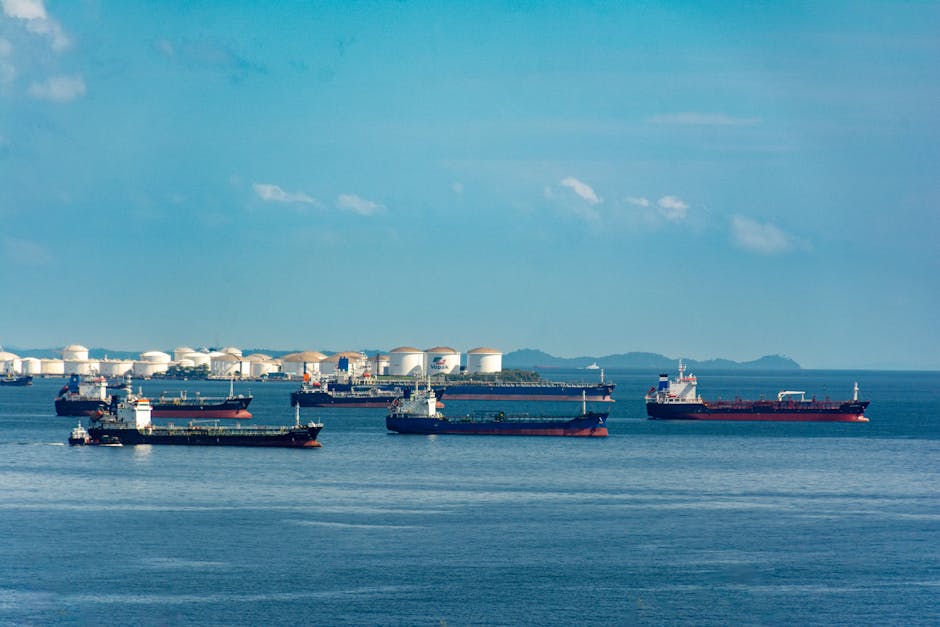
- The oil market has remained relatively stable despite the Trump administration’s announcement of Project Freedom to secure the Strait of Hormuz.
- Investors are skeptical about the effectiveness of the plan in addressing security concerns in the region.
- Brent crude prices have remained largely unchanged since the announcement of the operation.
- The market is not pricing in any significant changes to the security situation in the region.
- The US Energy Information Administration reports that oil prices have remained within a narrow range.
Executive summary: The oil market has remained largely unmoved by the Trump administration’s announcement of a new operation, dubbed Project Freedom, aimed at securing the Strait of Hormuz. Despite initial concerns that the plan would lead to increased tensions and higher oil prices, Brent crude has remained relatively stable. The lack of response from the oil market suggests that investors are skeptical about the effectiveness of the plan in addressing the underlying security concerns in the region.
Evidence of Market Indifference

Hard data from the oil market suggests that investors are not convinced by the Trump administration’s plan to secure the Strait of Hormuz. According to Reuters, Brent crude prices have remained largely unchanged since the announcement of the operation, with some analysts attributing the stability to a lack of credible evidence that the plan will be effective in reducing the risk of disruptions to oil supplies. For example, the US Energy Information Administration (EIA) has reported that oil prices have remained within a narrow range, with Brent crude trading at around $60 per barrel. This suggests that the market is not pricing in any significant changes to the security situation in the region.
Key Players and Their Roles

The key players in the Strait of Hormuz, including the US, Iran, and Saudi Arabia, have all been closely watching the situation unfold. The US has been seeking to reassure its allies and the oil market that it is committed to maintaining the security of the Strait, while Iran has been warning against any attempts to restrict its access to the waterway. Saudi Arabia, which is the world’s largest oil exporter, has also been seeking to calm market concerns, with its energy minister stating that the kingdom is committed to maintaining stable oil supplies. However, despite these assurances, the market remains skeptical about the ability of these players to prevent disruptions to oil supplies.
Trade-Offs and Risks

The Trump administration’s plan to secure the Strait of Hormuz involves a number of trade-offs and risks, including the potential for increased tensions with Iran and the risk of accidental conflicts. The operation also requires the cooperation of other countries in the region, which may not be forthcoming. Furthermore, the plan may not address the underlying security concerns in the region, which are driven by a complex mix of geopolitical and economic factors. For example, the Associated Press has reported that the plan may not be able to prevent attacks on oil tankers, which have been a major concern for the oil market. This suggests that the plan may not be effective in reducing the risk of disruptions to oil supplies.
Timing and Context

The timing of the Trump administration’s plan to secure the Strait of Hormuz is significant, coming as it does against a backdrop of increased tensions between the US and Iran. The plan has been announced at a time when the oil market is already facing a number of challenges, including a slowdown in global demand and a surplus of oil supplies. The New York Times has reported that the plan may be an attempt by the Trump administration to distract from other issues, such as the ongoing trade war with China. However, regardless of the motivations behind the plan, the fact remains that the oil market is not convinced by its effectiveness.
Where We Go From Here
Looking ahead to the next 6-12 months, there are a number of possible scenarios that could play out in the Strait of Hormuz. One scenario is that the Trump administration’s plan is successful in reducing the risk of disruptions to oil supplies, and the oil market remains stable. Another scenario is that the plan fails to address the underlying security concerns in the region, and the oil market becomes increasingly volatile. A third scenario is that the plan leads to increased tensions with Iran, and the oil market experiences a significant shock. According to The Guardian, the outcome will depend on a range of factors, including the response of other countries in the region and the effectiveness of the plan in addressing the underlying security concerns.
Bottom line: The oil market remains skeptical about the effectiveness of the Trump administration’s plan to secure the Strait of Hormuz, and Brent crude prices are likely to remain volatile in the coming months as investors wait to see how the situation unfolds.
Source: Al Jazeera