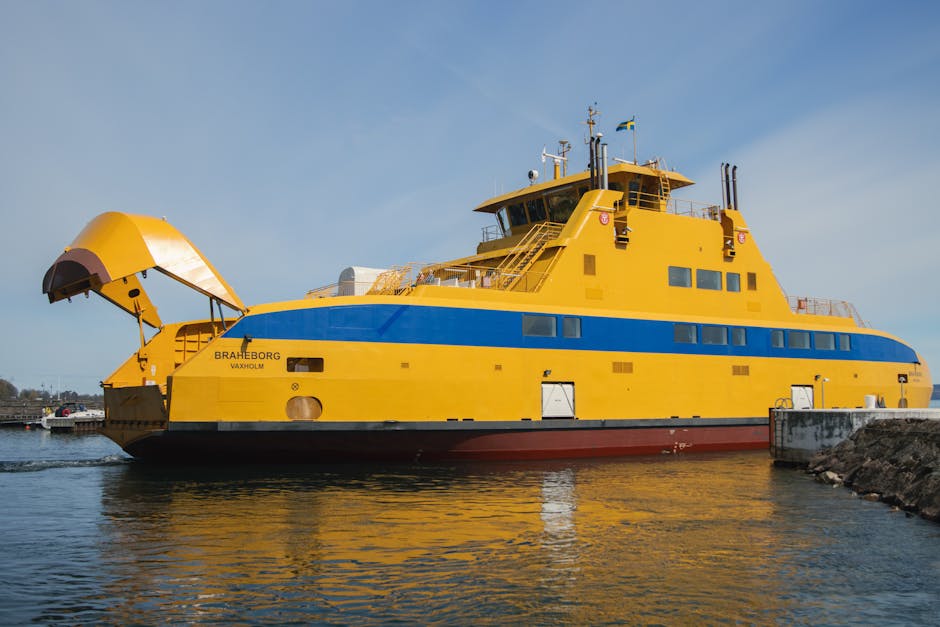
- The Swedish coast guard intercepted a tanker in the Baltic Sea, sparking concerns about a suspected false flag operation.
- The vessel was flying a flag of convenience and had inconsistencies in its documentation and cargo manifest.
- The coast guard has detained the crew and is conducting a thorough investigation into the matter.
- The tanker was not registered with the International Maritime Organization, raising concerns about its legitimacy.
- The incident has raised concerns about the security of global waterways and potential for covert operations.
The Baltic Sea, a vital trade route connecting Europe and Russia, has become the focal point of a suspected false flag operation. The Swedish coast guard recently seized a tanker, sparking a flurry of questions about the true intentions behind the vessel’s journey. As the investigation unfolds, the incident has raised concerns about the security of global waterways and the potential for covert operations. The seizure of the tanker has sent shockwaves throughout the maritime community, with many calling for increased vigilance and cooperation to prevent similar incidents in the future.
Current Situation and Key Facts

The Swedish coast guard intercepted the tanker in the Baltic Sea, citing suspicions of a false flag operation. The vessel, which was flying a flag of convenience, was found to have inconsistencies in its documentation and cargo manifest. The coast guard has detained the crew and is conducting a thorough investigation into the matter. As the situation continues to unfold, details about the tanker’s origin, destination, and cargo remain scarce. However, officials have confirmed that the vessel was not registered with the International Maritime Organization, raising further concerns about its legitimacy.
Historical Context and Background

The concept of false flag operations is not new, with historical examples dating back to the 19th century. However, the rise of global terrorism and maritime piracy has led to an increase in such incidents in recent years. The Baltic Sea, in particular, has become a hotbed of activity, with several reported cases of suspicious vessels and unauthorized activities. The Baltic Sea’s strategic location makes it an attractive route for illicit activities, including smuggling and human trafficking. As the global community becomes increasingly aware of these threats, the need for cooperation and vigilance has never been more pressing.
Key Players and Motivations

The investigation into the seized tanker is ongoing, but officials have identified several key players involved in the suspected false flag operation. The crew, which consists of individuals from various nationalities, is being questioned about their roles and motivations. Meanwhile, the true owners of the vessel remain unknown, sparking speculation about the potential involvement of rogue states or organized crime groups. As the story unfolds, it has become clear that the motivations behind the operation are complex and multifaceted, involving a mix of economic, political, and strategic interests.
Consequences and Implications

The seizure of the tanker has significant implications for the global maritime community. The incident highlights the need for increased cooperation and information sharing between nations to prevent similar incidents in the future. Moreover, the suspected false flag operation raises concerns about the security of global trade routes and the potential for disruption to the global economy. As the investigation continues, stakeholders are calling for increased vigilance and measures to prevent the misuse of flags of convenience, which can be used to conceal the true identity and intentions of a vessel.
The Bigger Picture
The suspected false flag operation in the Baltic Sea is a reminder of the complex and evolving nature of global security threats. As the world becomes increasingly interconnected, the potential for covert operations and illicit activities has grown. The incident highlights the need for a coordinated and proactive approach to addressing these threats, involving cooperation between nations, international organizations, and the private sector. By working together, the global community can reduce the risks associated with false flag operations and ensure the security and safety of global waterways.
The seizure of the tanker is a wake-up call for the global maritime community, highlighting the need for increased awareness and cooperation to prevent similar incidents in the future. As the investigation continues, one thing is clear: the security of global waterways is a shared responsibility that requires a collective effort to address the complex and evolving threats that exist today. With the international community’s attention focused on the incident, it remains to be seen how the situation will unfold and what measures will be taken to prevent similar incidents in the future.
Source: Reuters