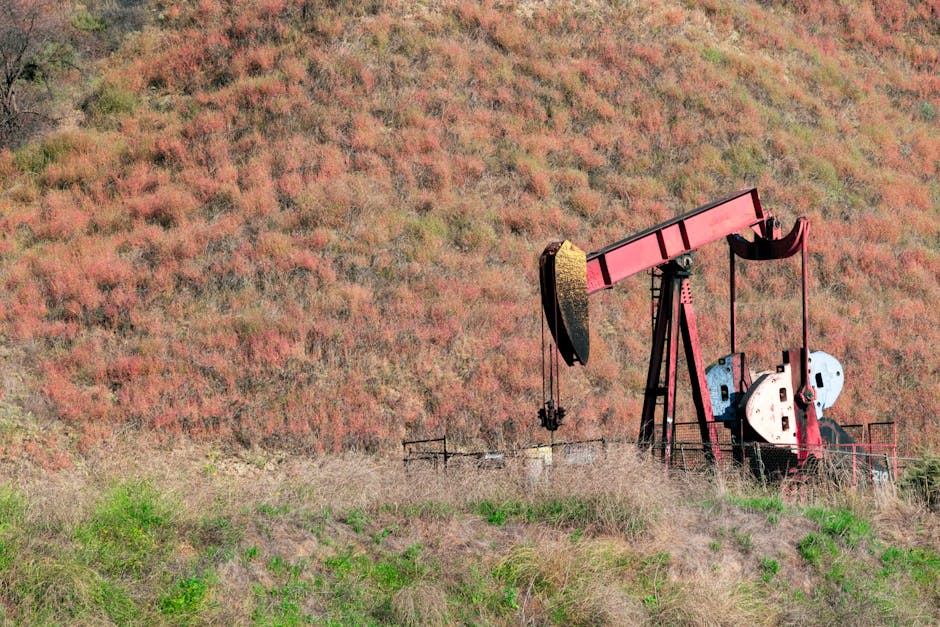
- U.S. shale output grew just 2% in 2024, falling short of global demand despite high oil prices.
- Energy firms prioritize consistent returns over rapid output growth, adopting a strategy of capital discipline.
- Global demand has climbed to 102.3 million barrels per day, driven by strong economic activity in India, China, and the Middle East.
- Non-OPEC supply growth is projected to add only 1.5 million barrels per day in 2024, with U.S. shale accounting for 60% of that total.
- Rig counts have plateaued at around 500 active oil rigs, less than half the peak levels seen in 2014.
U.S. oil companies are resisting pressure to expand production despite elevated global oil prices and geopolitical supply disruptions. After years of financial underperformance and investor skepticism, energy firms have adopted a strategy of capital discipline, prioritizing consistent returns over rapid output growth. This shift has left the world increasingly reliant on OPEC+ and unstable regions for marginal supply, even as demand remains resilient across Asia and North America.
Production Growth Falls Short of Global Demand

According to data from the U.S. Energy Information Administration (EIA), domestic crude oil production rose just 2.1% in 2024, reaching 13.2 million barrels per day—well below the double-digit growth rates seen during the 2010s shale boom. Meanwhile, global demand has climbed to 102.3 million barrels per day, driven by strong economic activity in India, China, and the Middle East. The International Energy Agency (IEA) estimates that non-OPEC supply growth will add only 1.5 million barrels per day in 2024, with U.S. shale accounting for roughly 60% of that total. Despite these figures, rig counts tracked by Baker Hughes have plateaued at around 500 active oil rigs—less than half the peak levels seen in 2014. This restrained expansion comes amid persistent underinvestment in new drilling, with capital expenditures among major independents like Pioneer Natural Resources and Occidental Petroleum remaining 15-20% below 2014 levels, even after adjusting for inflation.
Investors and Executives Favor Discipline Over Volume

The key players shaping this new era of energy restraint include institutional investors like BlackRock and Vanguard, who have pushed oil executives to avoid repeating past cycles of overexpansion and debt accumulation. CEOs such as Scott Sheffield of Pioneer and Vicki Hollub of Occidental have publicly committed to ‘free cash flow positivity’ and returning capital to shareholders through dividends and buybacks—over $75 billion combined in 2023 alone. Wall Street analysts at Goldman Sachs note that investor letters now routinely emphasize ‘capital discipline’ more than ‘reserves growth.’ Even after ExxonMobil’s $60 billion acquisition of Pioneer in 2024, the company reaffirmed it would not accelerate production growth beyond 3% annually. Meanwhile, private equity-backed shale operators, once known for aggressive drilling, are now exiting the sector, with firms like EnCap Flatrock citing long-term regulatory and climate risks that undermine future profitability.
Trade-offs Between Short-Term Gains and Long-Term Risk

The restraint in U.S. oil output reflects a fundamental recalibration of risks. On one hand, boosting production could capitalize on current Brent crude prices averaging $85 per barrel in 2024, driven by conflicts in the Middle East and sanctions on Russian oil. Increased drilling would also enhance energy security for the U.S. and its allies. On the other hand, companies face mounting pressure from regulators, climate advocates, and financial institutions to prepare for a low-carbon future. The Securities and Exchange Commission’s proposed climate disclosure rules and the rise of ESG-linked financing mean that long-term liabilities from carbon emissions could outweigh short-term profits. Moreover, rapid production increases could trigger price collapses, as seen in 2020 when oversupply sent prices briefly negative. Analysts at Reuters warn that another supply glut could jeopardize the financial stability of an industry still recovering from pandemic-era losses.
Why The Timing Still Doesn’t Favor a Drilling Surge

The current moment—marked by war in the Middle East, sanctions on Iran and Venezuela, and OPEC+ production cuts—might seem ideal for U.S. producers to ramp up output. Yet the structural conditions that enabled past booms no longer exist. Access to cheap debt has tightened, with interest rates more than triple what they were in 2014. Labor shortages and aging infrastructure in core shale regions like the Permian Basin add operational friction. Crucially, the memory of boom-bust cycles has instilled caution: many executives lived through the 2014-2016 crash and the 2020 collapse, both of which led to bankruptcies and consolidation. As a result, even with oil prices near multi-year highs, companies are treating the surge as temporary rather than transformative.
Where We Go From Here
Over the next 6 to 12 months, three scenarios could unfold. In the first, sustained prices above $90 per barrel combined with geopolitical instability could coax incremental increases in drilling, lifting U.S. output to 13.8 million barrels per day by late 2025. In the second, a resolution in Middle East tensions or a global economic slowdown could push prices below $70, reinforcing capital discipline and potentially shrinking investment further. In the third, regulatory shifts—such as expanded methane fees or drilling restrictions on federal lands—could cap production regardless of market conditions. Each path hinges not just on oil prices, but on investor sentiment and policy direction in Washington.
Bottom line — U.S. oil companies are no longer the wildcatters of old; they are now cautious stewards of shareholder value, choosing financial sustainability over the uncertain rewards of expansion.
Source: The New York Times