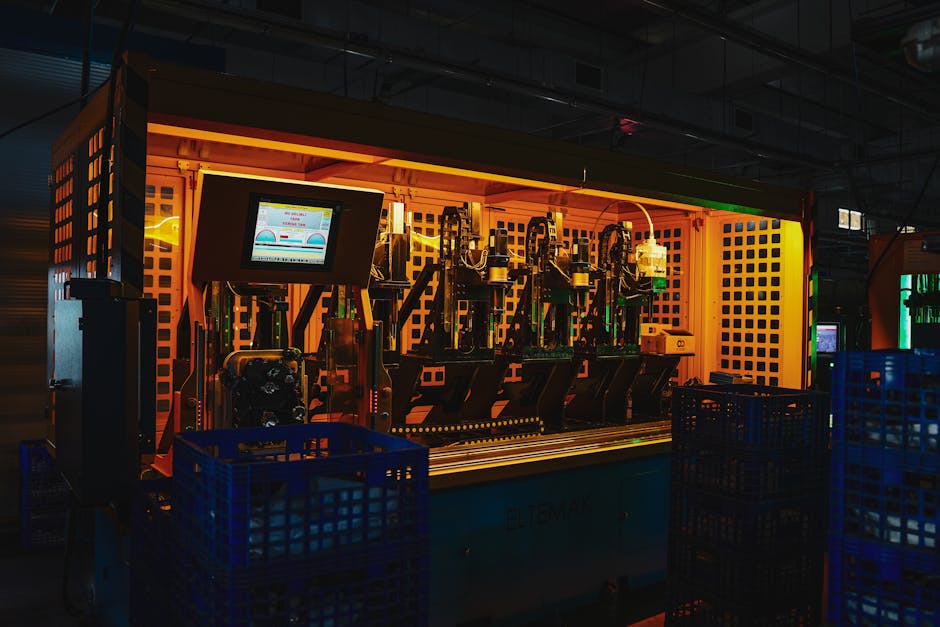
- Germany has surpassed the US as the world’s largest producer of artillery ammunition, producing over 320,000 155mm shells in 2023.
- The shift in production is driven by Germany’s state-backed ramp-up of its defense sector, while US facilities struggle with supply chain bottlenecks and workforce shortages.
- Germany’s defense sector mobilized faster due to Chancellor Olaf Scholz’s ‘Zeitenwende’ speech, which included a €100 billion special fund for the Bundeswehr and defense procurement overhaul.
- Germany streamlined regulatory approvals, export controls, and incentivized private manufacturers to expand capacity, unlike the US with its partisan delays and rigid contracting processes.
- The reversal signals a reordering of strategic reliance within the Western military alliance, with European nations seeking to replenish stockpiles and support Kyiv.
In a striking reversal of decades-long military-industrial dominance, Germany has overtaken the United States as the world’s largest producer of artillery ammunition. According to recent NATO defense assessments, German factories produced over 320,000 155mm shells in 2023—surpassing U.S. output by approximately 20%. This shift, unthinkable just five years ago, underscores a broader transformation in global defense manufacturing spurred by Russia’s invasion of Ukraine. With European nations urgently seeking to replenish stockpiles and support Kyiv, Germany’s state-backed ramp-up of its defense sector has delivered unprecedented production gains, while U.S. facilities have struggled with supply chain bottlenecks and workforce shortages. The reversal signals not just a change in output, but a reordering of strategic reliance within the Western military alliance.
Why Germany’s Defense Sector Mobilized Faster

The catalyst for Germany’s transformation was Chancellor Olaf Scholz’s historic “Zeitenwende” speech in February 2022, where he pledged a €100 billion special fund for the Bundeswehr and a fundamental overhaul of defense procurement. Unlike the U.S., where defense spending faces partisan delays and rigid contracting processes, Germany fast-tracked regulatory approvals, streamlined export controls, and incentivized private manufacturers like Rheinmetall and KNDS to expand capacity. The government also eased labor laws to allow overtime and temporary hiring in defense plants. These measures, combined with direct state investment in new production lines—such as Rheinmetall’s $270 million facility in Unterluess—enabled a 140% increase in ammunition output since 2021. As NATO Secretary General Jens Stoltenberg emphasized, “Europe’s ability to defend itself is no longer a theoretical goal—it’s becoming a reality.”
Reuters documented the rapid expansion in early 2023, noting that German plants now operate 24/7 with multiple shifts.
The Key Players Behind the Production Surge

Rheinmetall AG has emerged as the cornerstone of Germany’s ammunition expansion, responsible for nearly 60% of national output. The company has signed contracts worth over €15 billion since 2022, including major deals with the German government, Ukraine, and NATO allies. Its Unterluess plant, once producing 12,000 shells annually, now churns out over 100,000 per year, with plans to reach 250,000 by 2025. French-German consortium KNDS, parent of Krauss-Maffei Wegmann, has also scaled up, integrating automated loading systems to boost efficiency. Meanwhile, the German Defense Ministry established the “Ammo Task Force” in late 2022 to coordinate logistics, raw materials sourcing, and quality control across 40+ subcontractors. This public-private synergy, absent in the more fragmented U.S. defense supply chain, has allowed Germany to compress production timelines from years to months. U.S. officials have privately acknowledged the gap, with a Pentagon report from January 2024 noting that “Allied production in Europe now outpaces domestic industrial capacity in critical munitions.”
The BBC reported that Rheinmetall’s CEO Armin Papperger called the effort a “second industrial mobilization,” akin to wartime production levels.
Root Causes and Strategic Implications

Germany’s lead stems from both urgency and structural advantages. Proximity to the conflict in Ukraine has heightened the sense of threat, driving political consensus across parties. Additionally, European nations have fewer legal and bureaucratic hurdles in repurposing civilian factories for defense use. In contrast, U.S. ammunition production remains centralized in a handful of government-owned, contractor-operated plants, such as the Lake City Army Ammunition Plant, which faces aging infrastructure and environmental compliance delays. Moreover, Germany benefits from a skilled engineering workforce and a tradition of precision manufacturing. Data from the Stockholm International Peace Research Institute (SIPRI) shows that while U.S. defense spending remains higher overall, Germany’s ammunition-specific investment grew by 340% between 2021 and 2023. This shift has altered alliance dynamics: Ukraine now receives 40% of its Western artillery shells from German-led production, reducing dependence on U.S. shipments that were often delayed by congressional funding disputes.
Who Stands to Gain or Lose?

The realignment affects military, economic, and geopolitical stakeholders. NATO gains greater resilience as Europe reduces its reliance on transatlantic logistics. Ukraine benefits from faster, more reliable ammunition flows, crucial for sustaining frontline operations. German defense firms are seeing record profits and global demand, with Rheinmetall’s stock rising 180% since 2022. However, U.S. defense contractors like General Dynamics and BAE Systems face competitive pressure, and some lawmakers have called for reforms to the Defense Production Act. Smaller NATO members, such as the Baltic states, now look to Germany as a primary arms supplier rather than the U.S. There is also concern that over-reliance on a single European producer could create new vulnerabilities. As one NATO logistics officer noted, “Diversification was once our mantra—now we’re consolidating risk in Central Europe.”
Expert Perspectives
Analysts are divided on whether Germany’s lead is sustainable. Dr. Anna Kastner of the German Institute for International and Security Affairs argues that “this is a structural shift, not a temporary surge,” citing long-term contracts and workforce investments. Conversely, U.S. defense analyst Loren Thompson of the Lexington Institute warns that “Germany’s production depends on state subsidies and crisis conditions—once the war ends, so may the momentum.” Some experts also question if quality control can be maintained at such speed, though NATO inspections have so far shown compliance rates above 98%. The debate centers on whether Europe can maintain a sovereign defense industrial base or will revert to dependence post-conflict.
Looking ahead, the focus will be on whether the U.S. can close the gap. The Biden administration has announced a $3.5 billion plan to modernize U.S. ammunition plants, but full implementation may take until 2027. Germany, meanwhile, aims to produce 500,000 shells annually by 2026. The broader question is whether this shift marks the beginning of a multipolar defense industry, where no single nation dominates. As global tensions rise, the ability to produce ammunition at scale may become as strategic as nuclear deterrence once was.
Source: Prm