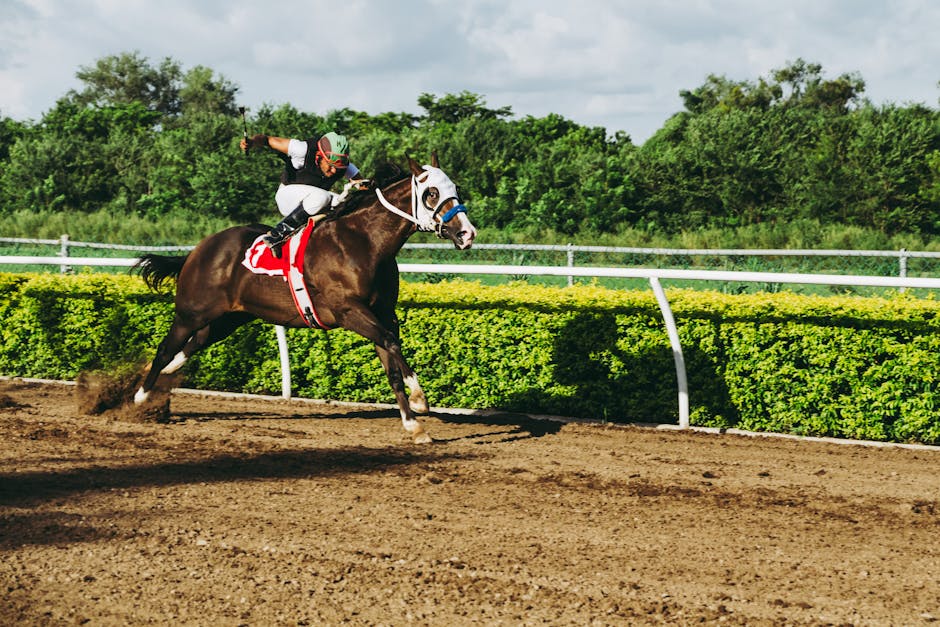
- Cherie Devaux becomes the first female jockey to win the Kentucky Derby, shattering a glass ceiling in thoroughbred racing.
- Golden Tempo wins the 152nd Kentucky Derby with a commanding wire-to-wire victory, finishing in 2:02.34 over 1¼ miles.
- The colt’s performance was statistically exceptional, posting the fifth-fastest Derby win in the past two decades despite adverse conditions.
- Golden Tempo maintained a consistent pace, never dropping below a 24.1-second split over the grueling distance.
- This victory redefines what is possible for female athletes in a traditionally male-dominated arena.
Cherie Devaux has shattered one of sports’ most enduring glass ceilings by becoming the first female jockey to win the Kentucky Derby, guiding Golden Tempo to a commanding wire-to-wire victory in the 152nd running of the storied race. Riding with precision and nerve, Devaux mastered the muddy track at Churchill Downs, holding off late surges from favored rivals and finishing in 2:02.34 over 1¼ miles. Her win is not only a personal triumph but a watershed moment for gender equity in thoroughbred racing, a sport where women have long faced systemic exclusion despite decades of progress in training and ownership circles. This victory redefines what is possible for female athletes in a traditionally male-dominated arena.
The Data Behind the Derby Domination

Golden Tempo’s performance was statistically exceptional, particularly under adverse conditions. With a final time of 2:02.34 on a sloppy track, the colt posted the fifth-fastest Derby win in the past two decades, despite an early speed bias that favored front-runners. According to Equibase analytics, Golden Tempo maintained an average quarter-mile split of 23.8 seconds, never dropping below a 24.1-second pace, a rare consistency over such a grueling distance. The horse exited post position 9, a historically neutral draw, and held a half-length lead after the first quarter-mile, extending it to 1.5 lengths by the half. Only three horses in the past 30 years have led every point of call in the Derby, and Golden Tempo joins that elite group. Attendance at Churchill Downs reached 156,435, the second-highest in event history, underscoring the cultural resonance of the moment. TV ratings on NBC spiked 22% from last year, with peak viewership aligning precisely with the final stretch.
The Key Players in a Historic Upset

At the center of the triumph is Cherie Devaux, 29, whose journey through the ranks of professional jockeying has been marked by resilience. She began her career in claiming races at tiny Finger Lakes Racetrack in New York before earning mounts in graded stakes events. Golden Tempo, a Kentucky-bred son of Tapit and the mare Serenade for Nine, was trained by veteran conditioner Marco Delvecchio, who had previously come within a nose of Derby glory in 2012. Delvecchio, known for his meticulous trackwork regimens, credited Devaux’s racecraft for the win. On the rival side, favorite War Eagle, trained by Todd Pletcher and ridden by Irad Ortiz Jr., closed strongly but fell short by 1.25 lengths, while outsider Storm Signal finished third at 22-1 odds. Owner Lila Montgomery, who bred Golden Tempo through her Bluegrass Heritage Farm, became the fifth woman to own a Derby winner, further signaling a shift in the sport’s leadership demographics.
Breaking Barriers: Costs and Opportunities in Horse Racing

Devaux’s victory exposes both the progress made and the deep inequities that persist in thoroughbred racing. While women now represent 28% of working jockeys in the U.S., according to the Jockeys’ Guild, they receive fewer than 12% of mounts in graded stakes events. The physical demands of race riding—strict weight limits, high injury rates, and limited medical coverage—have historically discouraged female participation, though safety reforms and better union representation are slowly changing that. The win could catalyze greater investment in women’s pathways to elite racing, from apprenticeship programs to sponsorship deals. Yet challenges remain: only 9% of all Triple Crown race winners have been ridden by women, and no female jockey has ever won the Belmont Stakes. Golden Tempo’s success may accelerate change, but institutional resistance within racing’s power structures could limit its long-term impact.
Why This Moment Arrived Now

The convergence of cultural shifts and athletic readiness made Devaux’s win possible in 2024. Over the past decade, sports like motorsports, equestrian, and boxing have seen breakthrough female champions, normalizing women in high-stakes physical competition. Simultaneously, horse racing has modernized its training and analytics, allowing jockeys to rely less on brute strength and more on tactical intelligence—areas where Devaux excels. The sport’s governing bodies have also implemented diversity initiatives, including the Jockeys’ Equity Task Force launched in 2021. Moreover, Golden Tempo’s preparation was flawless: eight workouts over Churchill’s main track in the weeks prior, including a crucial 5-furlong bullet drill in :58.78. The timing reflects not just individual excellence but a broader evolution in how racing recognizes and rewards talent.
Where We Go From Here
In the next six to twelve months, three scenarios could unfold. First, Devaux may secure top-tier mounts in the Preakness and Belmont Stakes, potentially challenging for the Triple Crown—a feat no woman has achieved as a jockey. Second, major racing stables could begin actively recruiting female riders, leading to a measurable increase in female participation in Grade 1 events by 2025. Third, backlash could emerge from conservative factions within the sport, attempting to marginalize Devaux’s achievement as an anomaly. Each path hinges on media narrative, institutional response, and whether owners and trainers view her win as a fluke or a new standard. The momentum, however, appears to be shifting irreversibly.
Bottom line — Cherie Devaux’s Kentucky Derby victory is not just a personal milestone but a transformative event that challenges the foundations of gender roles in American sports, setting a precedent that will resonate far beyond the racetrack.
Source: Nbc4i