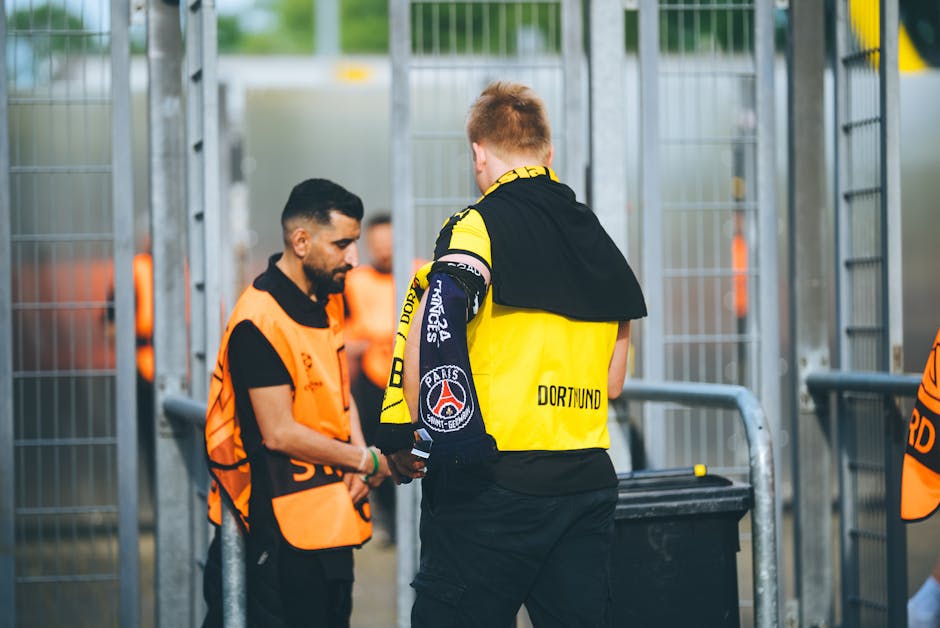
- FIFA President Gianni Infantino’s request for a police escort during a visit to Toronto was declined due to risk assessment and operational capacity concerns.
- Canadian authorities cited a lack of precedent for foreign sports officials to justify the decision, emphasizing standard operating procedures.
- The decision reflects a broader shift in how host nations balance international sports diplomacy with domestic law enforcement responsibilities.
- Routine visits by FIFA officials do not typically trigger state-level security provisions in democratic nations with strict public accountability standards.
- Canadian authorities prioritized public security over diplomatic expectations, underscoring a growing reluctance to grant exceptional treatment without clear justification.
In a rare public rebuke of high-level sports diplomacy, Canadian law enforcement officials have declined a formal request to provide a police escort for FIFA President Gianni Infantino during his recent visit to Toronto. The request, reportedly made through diplomatic channels by Swiss and FIFA representatives, was evaluated and rejected by the Toronto Police Service on the grounds of risk assessment, operational capacity, and lack of precedent for foreign sports officials. Infantino, who leads one of the most powerful—and controversial—organizations in international sport, was in Canada to promote the country’s role in the 2026 FIFA World Cup, co-hosted by the United States, Canada, and Mexico. Despite his global stature, Canadian authorities emphasized that no special security arrangements would be made, underscoring a growing reluctance to grant exceptional treatment without clear justification.
Why Security Protocols Trumped Diplomatic Expectations

The decision reflects a broader shift in how host nations manage the intersection of international sports leadership and domestic law enforcement responsibilities. While FIFA officials often receive elevated treatment during global events, routine visits do not typically trigger state-level security provisions, particularly in democratic nations with strict public accountability standards. In this case, Canadian police cited standard operating procedures for foreign dignitaries, noting that Infantino does not hold governmental status nor does he meet the threat threshold required for police escorts under Canadian guidelines. The move signals a recalibration of expectations as sports bodies like FIFA—long accustomed to operating with significant autonomy and privilege—face increasing scrutiny over their influence and conduct. With Canada investing over $1 billion in World Cup infrastructure, the refusal also suggests a desire to assert national sovereignty over security decisions, rather than defer to international sports bodies.
Behind the Scenes of Infantino’s Canadian Visit

Gianni Infantino’s three-day tour of Toronto in June 2024 was framed as a promotional mission to highlight Canada’s contributions to the upcoming 2026 tournament, the first World Cup to span three nations. He met with federal and municipal officials, toured BMO Field—the planned Toronto host venue—and delivered a keynote at a youth soccer summit. The Swiss-Italian executive, who has led FIFA since 2016, has aggressively expanded the organization’s global footprint, including plans for a 48-team World Cup and a proposed biennial tournament that sparked backlash from UEFA and top clubs. His visit coincided with renewed debate over labor conditions in host cities and concerns about rising costs. Though the police escort request was rejected, Infantino was provided with standard security details during official events and private transport arranged by local organizers. No incidents were reported during his stay.
Analysis: Power, Privilege, and the Limits of Sports Diplomacy

The denied escort request underscores tensions between the perceived entitlement of global sports executives and the realities of national governance. FIFA, despite its quasi-diplomatic status, is not a state actor, and its officials are not entitled to the same protections as heads of state. According to Reuters reporting, similar requests have been quietly approved in past years, particularly in nations with closer ties to FIFA’s executive committee. Canada’s refusal may reflect lessons learned from past controversies, including the 2015 corruption scandal that led to multiple indictments. Security experts argue that blanket approvals for high-profile figures can strain public resources and set dangerous precedents. “Just because someone is influential in sports doesn’t mean they bypass public safety protocols,” said Dr. Amanda Liu, a sports governance scholar at the University of British Columbia. The decision may also signal a more assertive Canadian stance ahead of the 2026 games, where coordination across three countries adds complexity to security planning.
Implications for FIFA and Host Nation Relations

The outcome could influence how FIFA engages with host nations in the future, particularly those with strong rule-of-law traditions. For Canada, the message is clear: cooperation does not equate to concession. As the 2026 World Cup approaches, coordination between FIFA and national authorities will remain critical, but so will the preservation of domestic legal and operational boundaries. Local organizers stress that security planning is ongoing and involves all three host countries through the North American Security Coordination Group. While Infantino’s request was minor in scope, its rejection highlights a broader trend—sports bodies must increasingly justify their demands in the public interest. Canadian officials have emphasized that their decision was not political but procedural, aimed at ensuring fair and transparent use of public resources.
Expert Perspectives
Opinions among sports governance experts are divided. Some view the decision as a necessary check on FIFA’s institutional overreach. “This is a win for accountability,” said Michael Korzec, a former FIFA ethics investigator. Others caution that inconsistent treatment of officials could complicate international coordination. “If one country says no, others may follow, making logistics harder for global events,” noted Sarah Chen, a sports policy analyst at McGill University. Still, most agree that clear, standardized protocols are overdue—especially as mega-events grow in scale and political sensitivity.
Looking ahead, the incident may prompt FIFA to formalize its expectations for official visits, possibly through bilateral agreements with host nations. With the 2026 World Cup expected to draw over 5 billion viewers, security and protocol planning will remain under intense scrutiny. The question now is whether other nations will follow Canada’s lead—or grant FIFA the deference it once assumed as a matter of course.
Source: AP News