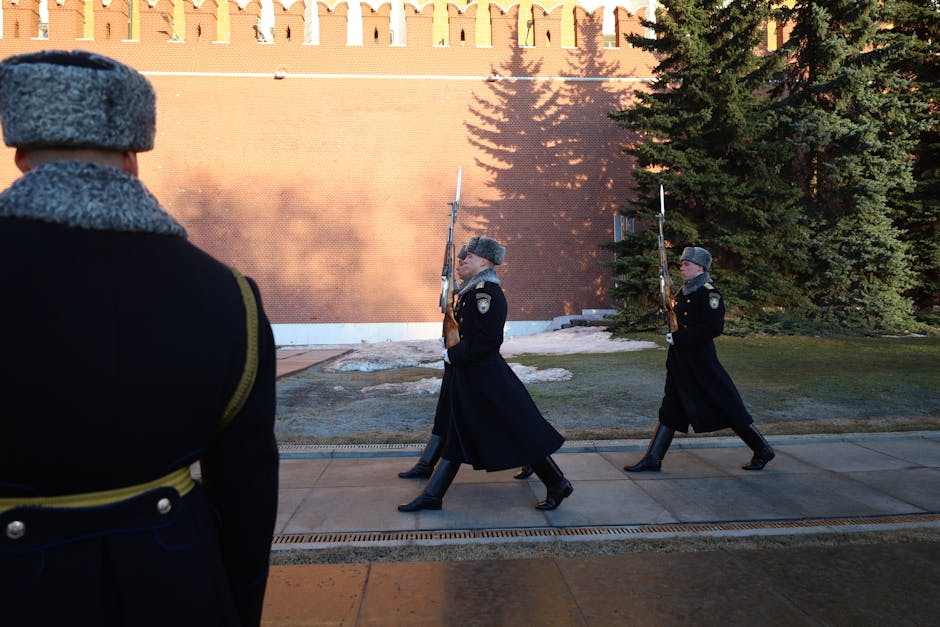
- Russia’s military is experiencing a crisis of desertion, with an estimated 200,000 troops fleeing or avoiding service since the Ukraine invasion began.
- Soldiers cite exhaustion, lack of equipment, and unclear objectives as reasons for desertion, while others flee conscription altogether.
- Military tribunals have prosecuted over 11,000 desertion cases since 2022, but the actual number is believed to be far higher.
- Frontline units report declining discipline, with some troops abandoning positions during Ukrainian assaults.
- Russia’s reliance on mobilized conscripts and penal battalions contributes to the desertion wave.
Russia’s military is experiencing a deepening crisis of desertion as hundreds of soldiers deployed in Ukraine seek ways to exit service, according to human rights monitors and military analysts. Since the full-scale invasion began in February 2022, an estimated 200,000 troops have fled active duty or avoided mobilization, with numbers accelerating in 2023. Many deserters cite exhaustion, lack of equipment, and unclear objectives, while others have fled conscription altogether, escaping to Georgia, Kazakhstan, and Mongolia to avoid deployment.
Escalating Military Disobedience

Recent data from the Russian human rights group Memorial and independent outlet Mediazona indicate that military tribunals have prosecuted over 11,000 desertion cases since 2022, though the actual number is believed to be far higher. Soldiers caught deserting face up to 10 years in prison under Article 338 of Russia’s penal code. Despite harsh penalties, frontline units report declining discipline, with some troops abandoning positions during assaults on Ukrainian trenches. The Russian Ministry of Defense has not commented on internal morale, but leaked military communications suggest growing skepticism among officers about the war’s trajectory.
Roots of the Crisis

The desertion wave stems from Russia’s reliance on mobilized conscripts and penal battalions to sustain its offensive near Bakhmut and Avdiivka. After the failed Wagner Group mutiny in June 2023, trust in military leadership eroded further. Many soldiers report being misled about deployment conditions, while others are coerced into signing contracts under duress. According to a BBC investigation, some deserters have been recruited from prisons with promises of pardon—promises often broken after combat exposure.
What to Watch

Western intelligence agencies are monitoring whether desertion trends will degrade Russia’s ability to launch sustained offensives in 2024. As Ukraine prepares counterattacks with Western-supplied armor, any further breakdown in Russian command cohesion could shift battlefield dynamics. Meanwhile, humanitarian groups urge safe passage for deserters, warning that punitive measures may drive more soldiers underground rather than back into combat.
Source: Al Jazeera