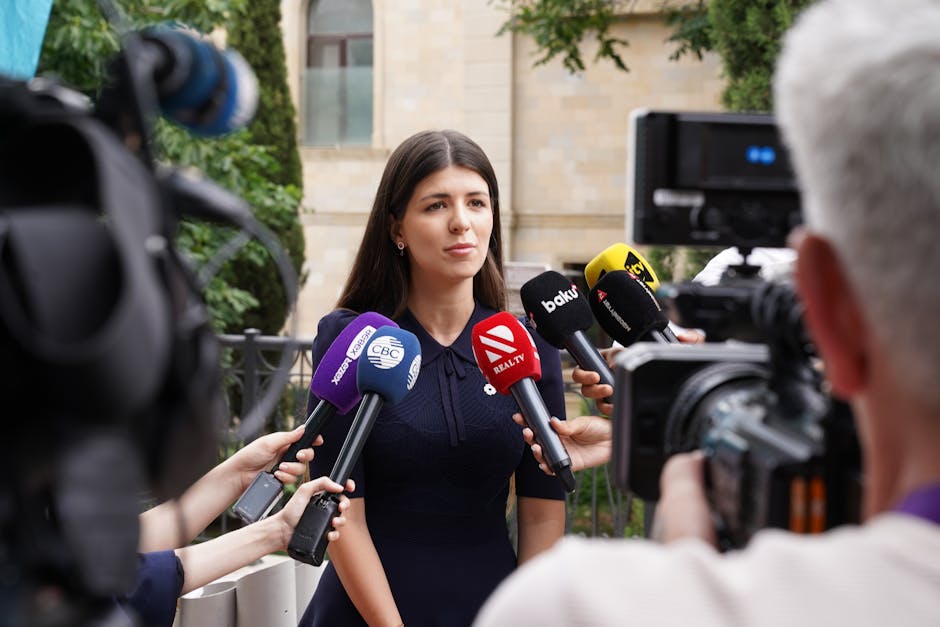
- The US has fallen behind Ukraine in press freedom rankings, highlighting a decline in media freedom in established democracies.
- Reporters Without Borders reports an all-time low in average press freedom scores over the past 25 years.
- Government censorship, media consolidation, and online disinformation contribute to the decline of press freedom worldwide.
- Journalists face increased harassment, intimidation, and violence in many countries, making it difficult to practice their profession.
- A free press is essential for holding those in power accountable and ensuring citizens have access to accurate information.
The latest press freedom rankings have revealed a stark and troubling trend: the United States has fallen behind Ukraine in terms of media freedom. This decline is part of a broader global pattern, with the average press freedom score hitting an all-time low in 25 years. According to a recent report by Reporters Without Borders, the US now ranks below Ukraine, a country that has faced significant challenges to its media landscape in recent years. This shift is a clear indication that press freedom is under threat, not just in authoritarian regimes, but also in established democracies.
Press Freedom in Decline

The decline of press freedom is a complex and multifaceted issue, driven by a combination of factors including government censorship, media consolidation, and the rise of online disinformation. In many countries, journalists are facing increased harassment, intimidation, and violence, making it difficult for them to do their jobs. The consequences of this decline are far-reaching, with a free press being essential for holding those in power accountable and ensuring that citizens have access to accurate and reliable information. As BBC News has reported, the erosion of press freedom has significant implications for democracy and human rights.
Global Autocracy on the Rise

The rise of global autocracy is a key factor contributing to the decline of press freedom. In many countries, authoritarian leaders are using a range of tactics to suppress dissent and limit the ability of the media to hold them accountable. This includes the use of censorship, propaganda, and violence against journalists. The consequences of this trend are alarming, with many countries experiencing a significant decline in press freedom in recent years. As Reuters has reported, the rise of autocracy has significant implications for global stability and security.
Key Factors Contributing to the Decline

So, what are the key factors contributing to the decline of press freedom? One major issue is the increasing use of online disinformation and propaganda, which is being used to manipulate public opinion and undermine trust in the media. Another factor is the growing trend of media consolidation, which is leading to a decline in the diversity of viewpoints and perspectives. Additionally, the rise of nationalism and authoritarianism is creating a hostile environment for journalists, with many facing harassment, intimidation, and violence. As The New York Times has reported, these factors are all contributing to a perfect storm that is threatening the very foundations of a free press.
Implications for Democracy

The implications of the decline of press freedom are far-reaching and have significant consequences for democracy. A free press is essential for holding those in power accountable and ensuring that citizens have access to accurate and reliable information. Without a free press, citizens are unable to make informed decisions, and those in power are able to act with impunity. As The Guardian has reported, the decline of press freedom is a threat to democracy itself, and it is essential that we take action to protect and promote media freedom.
Expert Perspectives
Experts are warning that the decline of press freedom is a significant threat to democracy and human rights. According to UNESCO, a free press is essential for promoting transparency, accountability, and good governance. However, others argue that the decline of press freedom is a natural consequence of the rise of social media and the changing nature of the media landscape. As WHO has reported, the issue is complex and multifaceted, and requires a nuanced and comprehensive approach.
Looking to the future, it is clear that the decline of press freedom is a trend that will continue unless we take action to protect and promote media freedom. This requires a concerted effort from governments, civil society, and the media itself to promote transparency, accountability, and good governance. As Nature has reported, the future of press freedom is uncertain, but one thing is clear: it is essential that we take action to protect this fundamental human right.
Source: Ars Technica