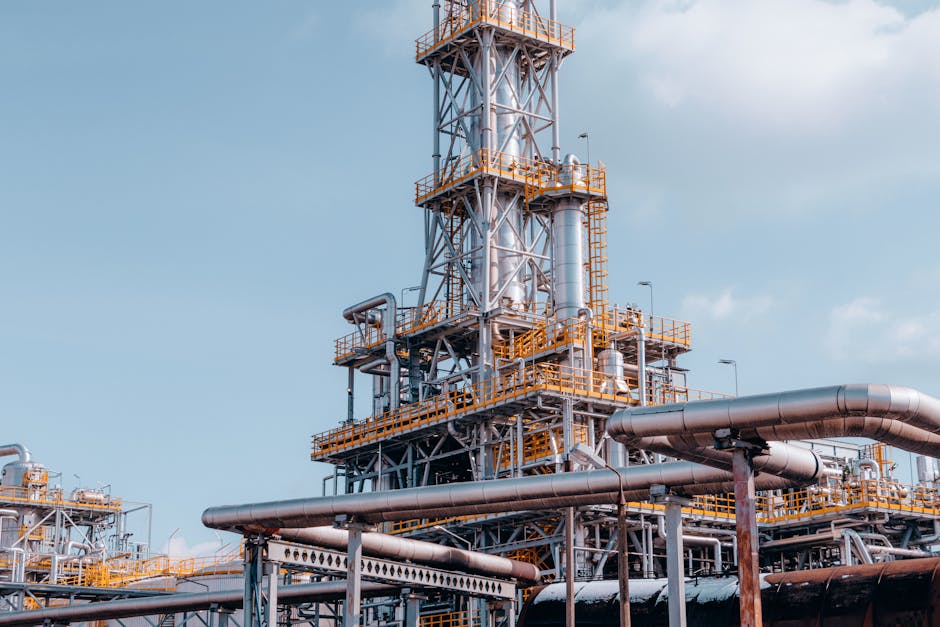
- Iran’s oil industry is facing an unprecedented crisis due to unsold oil reserves and a global oil market downturn.
- The country is forced to store excess oil in derelict tanks, highlighting the desperate measures being taken to cope with the situation.
- Iran’s oil fields are producing more oil than the country can sell, resulting in a massive surplus.
- The global oil market’s decline in demand and plummeting prices have severely impacted Iran’s oil revenue.
- Iran’s oil industry is under immense pressure due to international sanctions, a decline in global demand, and the COVID-19 pandemic.
Iran is currently facing an unprecedented crisis in its oil industry, with unsold oil reserves piling up at an alarming rate. According to recent reports, the country has been forced to store excess oil in derelict tanks, highlighting the desperate measures being taken to cope with the situation. This development comes as the global oil market continues to experience a significant downturn, with demand slowing and prices plummeting. The WSJ has reported that Iran’s oil fields are producing more oil than the country can sell, resulting in a massive surplus that is straining the nation’s storage capabilities.
Background: Iran’s Oil Industry Under Pressure

The Iranian oil industry has been under immense pressure in recent years, with the country facing numerous challenges, including international sanctions and a decline in global demand. The COVID-19 pandemic has further exacerbated the situation, leading to a sharp decrease in oil prices and a subsequent decline in revenue for oil-producing nations like Iran. As the global economy continues to struggle, Iran’s oil sector is feeling the pinch, with the country’s leaders scrambling to find ways to mitigate the effects of the crisis. With the war in the region showing no signs of abating, Tehran is being forced to think creatively in order to keep its oil industry afloat.
Key Details: Iran’s Unsold Oil Reserves

The situation in Iran is becoming increasingly dire, with the country’s unsold oil reserves reaching record levels. The WSJ has reported that Iran is storing excess oil in derelict tanks, a clear indication of the desperation that is gripping the nation’s oil industry. With global demand for oil slowing, Iran is being forced to explore alternative storage options, including the use of aging tankers and other makeshift facilities. The Iranian government has thus far refused to comment on the situation, but it is clear that the country is facing a major crisis. As the global oil market continues to evolve, Iran’s leaders will be forced to make tough decisions in order to ensure the long-term sustainability of the country’s oil industry.
Analysis: Causes and Effects of the Crisis

The current crisis in Iran’s oil industry is the result of a combination of factors, including international sanctions, a decline in global demand, and the ongoing war in the region. The global economic downturn has also played a significant role, with many countries reducing their oil imports in an effort to mitigate the effects of the pandemic. As the situation continues to unfold, it is clear that Iran’s oil industry will be severely impacted, with the country’s leaders facing a major challenge in terms of finding ways to stimulate demand and increase revenue. With the global oil market expected to remain volatile in the coming months, Iran’s oil sector will be forced to adapt in order to survive.
Implications: A Race Against Time

The implications of the current crisis in Iran’s oil industry are far-reaching, with the country facing a race against time to find a solution. As the war in the region continues to escalate, Iran’s leaders will be forced to make tough decisions in order to ensure the long-term sustainability of the country’s oil industry. The situation is being closely monitored by global leaders, who are eager to see how the crisis will unfold. With the fate of Iran’s oil industry hanging in the balance, the coming months will be crucial in determining the country’s future.
Expert Perspectives
Experts are divided on the best course of action for Iran, with some arguing that the country should focus on increasing production in an effort to drive down prices and stimulate demand. Others, however, believe that Iran should prioritize conservation, reducing production in an effort to mitigate the effects of the crisis. As the situation continues to unfold, it is clear that Iran’s leaders will be forced to weigh their options carefully, taking into account the potential consequences of each course of action. According to industry experts, the key to success will be finding a balance between production and conservation, a delicate task that will require careful planning and execution.
Looking to the future, it is clear that the situation in Iran’s oil industry will continue to evolve, with the country’s leaders facing numerous challenges in the coming months. As the global energy landscape continues to shift, Iran will be forced to adapt, exploring new ways to stimulate demand and increase revenue. With the fate of the country’s oil industry hanging in the balance, the coming months will be crucial in determining Iran’s future, and the world will be watching with great interest to see how the situation unfolds.
Source: Wsj