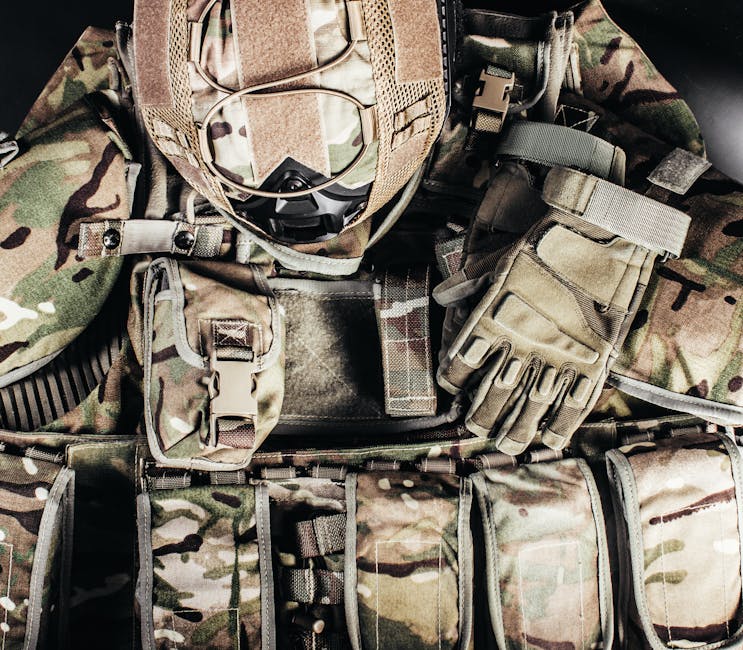
- Global military spending reached a record $2.4 trillion in 2023, marking the 11th consecutive year of growth.
- The United States accounted for 39% of global spending, while China, Russia, India, and Saudi Arabia also saw significant increases.
- Conflicts in Ukraine, Gaza, Sudan, and the South China Sea have led nations to prioritize military readiness over fiscal restraint.
- The rise in spending reflects a global shift toward hard power in response to perceived threats.
- Eleven NATO members met the 2% GDP defense spending threshold in 2023, up from just three in 2014.
Global military spending surged to a record $2.4 trillion in 2023, marking the 11th consecutive year of growth and reflecting deepening geopolitical fractures worldwide, according to the Stockholm International Peace Research Institute (SIPRI). This unprecedented level of expenditure—up 6.8% in real terms from 2022—represents a significant escalation in defense commitments by major powers and regional actors alike. The United States alone accounted for 39% of global spending, while China, Russia, India, and Saudi Arabia also registered sharp increases. As conflicts in Ukraine, Gaza, Sudan, and the South China Sea persist, nations are prioritizing military readiness over fiscal restraint, signaling a new era of strategic competition reminiscent of the Cold War. The rise underscores a global shift toward hard power in response to perceived threats, weakening multilateral security frameworks.
Why Defense Budgets Are Rising

The sustained increase in military spending is driven by a confluence of heightened regional conflicts, great power rivalry, and deteriorating international trust. Since 2014, with Russia’s annexation of Crimea and subsequent war in Ukraine, European nations have steadily increased defense outlays, fulfilling NATO’s long-standing call for members to spend at least 2% of GDP on defense. In 2023, 11 NATO members met that threshold, up from just three in 2014. Meanwhile, in the Indo-Pacific, China’s rapid military modernization and assertive actions in the South China Sea have prompted responses from Japan, South Korea, and Australia. Even traditionally neutral countries like Sweden and Finland have reversed decades of defense policy, joining NATO and significantly boosting military investment. With arms control agreements eroding and new technologies like hypersonic missiles and cyber warfare capabilities emerging, states are racing to maintain deterrence and strategic advantage.
Who Is Spending and Why

The United States remained the world’s largest military spender in 2023, allocating $916 billion, an increase of 2.3% from the previous year, according to SIPRI’s latest data release. China followed with $292 billion, though SIPRI notes that actual spending may be higher due to opaque budgeting practices. Russia’s military expenditure jumped 24% to $109 billion, fueled by its full-scale invasion of Ukraine and the need to replenish depleted stocks. India, the third-largest spender in Asia, increased its budget by 4.2%, focusing on border security amid tensions with China and Pakistan. Notably, Saudi Arabia saw a 14% rise, reaching $85 billion, as Gulf states seek to counter Iranian influence and internal instability. European nations collectively increased spending by 11%, with Germany, Poland, and France all announcing long-term defense modernization plans. Even non-combatant nations like Canada and Australia are expanding defense industrial capacity, highlighting a global recalibration of security priorities.
Drivers Behind the Spending Surge

Beyond immediate conflict responses, long-term structural factors are accelerating military expenditure. The erosion of arms control treaties—such as the U.S. withdrawal from the Intermediate-Range Nuclear Forces Treaty and the collapse of the Open Skies Treaty—has diminished transparency and trust among major powers. Simultaneously, rapid technological advancements in drones, artificial intelligence, and space-based surveillance are forcing militaries to modernize or risk obsolescence. SIPRI reports that global weapons exports grew by 1.1% between 2014–2018 and 2019–2023, with the U.S. and France leading supply increases. Demand is particularly high in the Middle East and Asia, where regional rivalries and maritime disputes continue to simmer. Furthermore, inflation and supply chain disruptions have inflated procurement costs, meaning even flat budgets translate into reduced purchasing power, compelling governments to allocate more funds to maintain capability levels. This dynamic creates a self-reinforcing cycle of spending escalation.
Who Bears the Costs

The financial burden of rising military budgets falls heavily on public resources, often at the expense of social, health, and climate investments. In low- and middle-income countries, soaring defense spending can exacerbate inequality and undermine development goals. For instance, Egypt and Pakistan allocate over 15% of their national budgets to the military, limiting fiscal space for education and healthcare. Even in wealthy nations, critics argue that bloated defense contracts and legacy systems divert funds from innovation and urgent domestic needs. Moreover, increased militarization risks fueling arms races, particularly in flashpoints like the Taiwan Strait and the Korean Peninsula. Civil society groups warn that normalization of high military spending may reduce public scrutiny and entrench defense lobbies, making future demilitarization politically difficult. The environmental cost is also significant—militaries are among the largest institutional consumers of fossil fuels, undermining national climate commitments.
Expert Perspectives
Security analysts are divided on whether the spending surge enhances global stability. Some, like Dr. Susi Snyder at the PAX Institute, argue that “escalating military budgets increase the risk of miscalculation and reduce incentives for diplomacy.” Others, such as Dr. Michael Clarke of King’s College London, contend that “in an era of renewed aggression, credible deterrence is essential to prevent larger conflicts.” U.S. defense officials emphasize that spending is driven by necessity, not ambition, citing Russian and Chinese actions as catalysts. Meanwhile, economists like Dr. Mark Weisbrot warn that “military Keynesianism” offers short-term economic stimulus but long-term inefficiencies, especially when private sector innovation is underfunded.
Looking ahead, the trajectory of military spending will depend on diplomatic breakthroughs, technological disruptions, and economic conditions. If current conflicts de-escalate, there may be room for arms control revival. However, with NATO planning to further increase readiness and China accelerating its naval expansion, sustained high spending appears likely. The 2024 U.S. presidential election and EU defense integration efforts will also shape future trends. Ultimately, the world faces a critical choice: whether to channel resources into competition or cooperation—a decision that will define global security for decades to come.
Source: Al Jazeera