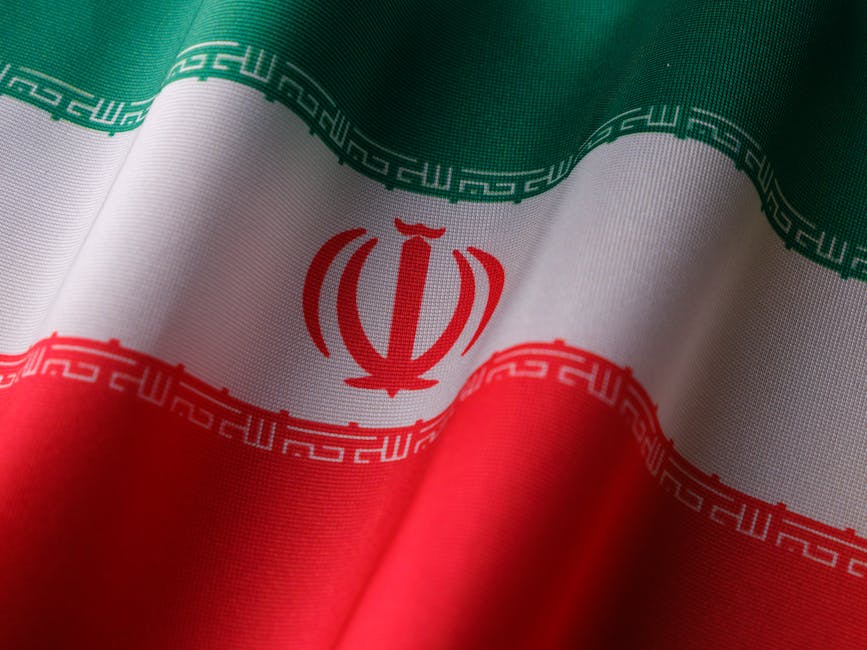
- The US strategy in Iran has been widely criticized as ineffective and unclear, leading to escalating tensions.
- The US withdrawal from the JCPOA in 2018 has been a major point of contention in the Iran conflict.
- Iran’s nuclear program has reached a critical point, with the country announcing plans to enrich uranium beyond agreed limits.
- The international community is calling for a diplomatic solution to the crisis, rather than further escalation.
- A more coordinated and effective approach is needed to address the complex issues in the region.
The Iran conflict has taken a significant turn with Friedrich Merz, the leader of Germany’s opposition party, stating that the US has been “humiliated” and lacks a clear strategy in dealing with the situation. This striking criticism comes at a time when tensions between the US and Iran are escalating, with both countries engaging in a war of words and retaliatory measures. The US withdrawal from the Joint Comprehensive Plan of Action (JCPOA) in 2018 has been a major point of contention, with Iran recently announcing its decision to enrich uranium beyond the limits set by the agreement. As the situation continues to deteriorate, Merz’s comments underscore the need for a more effective and coordinated approach to address the complex issues in the region.
Background and Context

The current conflict between the US and Iran has its roots in the US withdrawal from the JCPOA, which was negotiated during the Obama administration. The agreement aimed to limit Iran’s nuclear program in exchange for relief from economic sanctions. However, the US withdrawal and subsequent reimposition of sanctions have led to a significant escalation of tensions. Iran’s recent decision to breach the uranium enrichment limits has raised concerns among the international community, with many calling for a diplomatic solution to the crisis. Merz’s criticism of the US approach highlights the need for a more nuanced and strategic engagement with Iran, taking into account the complexities of the region and the potential consequences of further escalation.
Key Developments and Players

The Iran conflict involves a complex array of players, including the US, Iran, Europe, and other regional actors. The US has been at the forefront of the conflict, with President Trump taking a hardline stance against Iran. The US has imposed severe economic sanctions on Iran, which have had a devastating impact on the country’s economy. Iran, on the other hand, has responded by breaching the uranium enrichment limits and threatening to withdraw from the JCPOA altogether. European countries, including Germany, France, and the UK, have been trying to salvage the agreement, but their efforts have been hindered by the US withdrawal. Merz’s comments reflect the growing frustration among European leaders with the US approach, which they see as lacking a clear strategy and undermining regional stability.
Analysis and Implications

The US lack of strategy in the Iran conflict has significant implications for regional stability and global security. The escalation of tensions between the US and Iran has raised concerns about the potential for a wider conflict, which could draw in other regional actors. The US approach has also been criticized for undermining the JCPOA, which was seen as a major achievement in non-proliferation efforts. The breach of the uranium enrichment limits by Iran has raised concerns about the country’s nuclear program, and the international community is calling for a diplomatic solution to the crisis. According to Reuters, the US has been trying to build a coalition to counter Iran’s influence in the region, but the efforts have been hindered by the lack of a clear strategy. Merz’s criticism of the US approach highlights the need for a more coordinated and effective engagement with Iran, which takes into account the complexities of the region and the potential consequences of further escalation.
Regional Consequences

The Iran conflict has significant implications for regional stability and security. The escalation of tensions between the US and Iran has raised concerns about the potential for a wider conflict, which could draw in other regional actors. The conflict has also had a devastating impact on the Iranian economy, with the country facing severe economic sanctions. According to BBC News, the Iranian economy has contracted by over 10% in the past year, with the country facing a significant decline in oil exports. The conflict has also had a humanitarian impact, with many Iranians facing significant economic hardship. Merz’s comments reflect the growing concern among European leaders about the regional consequences of the US approach, which they see as lacking a clear strategy and undermining regional stability.
Expert Perspectives
Experts have differing opinions on the US approach to the Iran conflict. Some argue that the US needs to take a tougher stance against Iran, given the country’s breaches of the JCPOA and its support for militant groups in the region. Others argue that the US approach is too confrontational and that a more diplomatic approach is needed to resolve the crisis. According to The New York Times, some experts believe that the US should engage in direct talks with Iran to resolve the crisis, while others argue that the US should maintain its tough stance and impose further sanctions on the country. Merz’s criticism of the US approach reflects the growing debate among experts about the most effective way to address the complex issues in the region.
Looking forward, the Iran conflict is likely to remain a major point of contention in international relations. The US and Iran are unlikely to resolve their differences in the near future, and the conflict is likely to continue to escalate. According to AP News, the US is planning to impose further sanctions on Iran, which is likely to exacerbate the crisis. As the situation continues to deteriorate, it is essential to consider the potential consequences of further escalation and to explore diplomatic solutions to the crisis. Merz’s comments highlight the need for a more nuanced and strategic engagement with Iran, which takes into account the complexities of the region and the potential consequences of further escalation.
Source: Dw