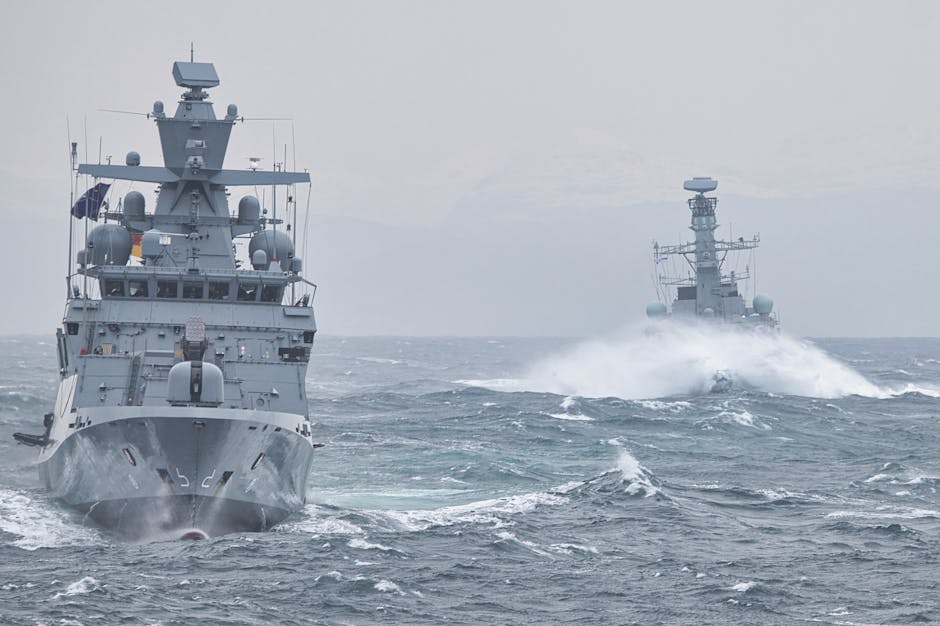
- Iran threatens to re-close the Strait of Hormuz in response to a US naval blockade, escalating tensions in the region.
- The Strait of Hormuz is a critical waterway through which nearly a third of the world’s seaborne oil passes, making it a key flashpoint in global energy markets.
- A fragile ceasefire between the US and Iran is under strain, with both sides engaging in a war of words and provocative actions.
- The US naval blockade has been met with resistance from Tehran, which views it as an existential threat to its sovereignty and economic interests.
- A renewed conflict between the US and Iran could have far-reaching consequences for the global economy, including higher oil prices and widespread instability.
The Strait of Hormuz, a critical waterway through which nearly a third of the world’s seaborne oil passes, is once again at the center of escalating tensions between the United States and Iran. In a striking escalation, Tehran has threatened to re-close the strait if the US continues its naval blockade, sparking fears of a potentially disastrous confrontation that could have far-reaching consequences for the global economy. With the US maintaining a significant military presence in the region, the situation remains volatile, and the threat of renewed conflict hangs precariously in the balance.
A Fragile Ceasefire Under Strain

The current crisis has its roots in a fragile ceasefire that was established after a series of tit-for-tat exchanges between the US and Iran earlier this year. Despite the temporary lull in hostilities, tensions have continued to simmer, with both sides engaging in a war of words and provocative actions. The US has maintained its naval blockade, citing concerns over Iranian aggression and the need to protect American interests in the region. However, Tehran views the blockade as an existential threat and has vowed to take drastic action to protect its sovereignty and economic interests. As the situation continues to deteriorate, it is clear that the ceasefire is under significant strain, and the risk of renewed conflict is very real.
The Strait of Hormuz: A Critical Flashpoint

The Strait of Hormuz is a narrow waterway that connects the Persian Gulf to the Gulf of Oman, and it is a critical chokepoint for international oil trade. Nearly 30% of the world’s seaborne oil passes through the strait, making it a vital artery for the global economy. Any disruption to oil supplies through the strait would have significant consequences, including soaring energy prices and potential shortages. The US and its allies have long been concerned about Iran’s ability to disrupt oil supplies, and the current blockade is an attempt to prevent Tehran from doing so. However, Iran views the blockade as an act of aggression and has threatened to respond in kind, setting the stage for a potentially catastrophic confrontation.
Analysis and Implications
Experts warn that the current situation is highly volatile and that the risk of miscalculation is high. The US and Iran have a long history of conflict, and the situation in the Strait of Hormuz is further complicated by the presence of other regional actors, including Saudi Arabia and the UAE. As tensions continue to escalate, there are fears that the situation could spiral out of control, leading to a wider conflict that would have far-reaching consequences for the region and the global economy. The impact of such a conflict would be felt across the world, with oil prices likely to soar and trade disrupted. The situation is further complicated by the fact that the US is currently engaged in a trade war with China, and any disruption to oil supplies could have significant consequences for the global economy.
A Delicate Balance of Power
The current crisis in the Strait of Hormuz has significant implications for the balance of power in the region. Iran’s threat to re-close the strait is a clear attempt to assert its influence and protect its interests, while the US is determined to maintain its military presence and protect its allies. The situation is further complicated by the fact that other regional actors, including Saudi Arabia and the UAE, are also vying for influence. As tensions continue to escalate, it is clear that the balance of power in the region is under significant strain, and the risk of conflict is high. The situation is a delicate one, and any miscalculation could have far-reaching consequences, making it essential for all parties to exercise restraint and work towards a diplomatic solution.
Expert Perspectives
Experts are divided on the likelihood of a wider conflict, with some warning that the situation is highly volatile and that the risk of miscalculation is high. Others argue that both sides have too much to lose and that a diplomatic solution is still possible. According to Dr. Sanam Vakil, a specialist in Middle East politics, “the situation in the Strait of Hormuz is a classic example of a security dilemma, where one side’s attempt to increase its security reduces the security of the other side.” She warns that the situation is highly volatile and that the risk of conflict is high, but argues that a diplomatic solution is still possible if all parties are willing to compromise.
As the situation continues to unfold, it is clear that the coming days and weeks will be critical in determining the outcome of the crisis. The US and Iran must work towards a diplomatic solution, and the international community must play a role in facilitating dialogue and reducing tensions. The risk of conflict is high, but it is not inevitable, and a peaceful resolution is still possible if all parties are willing to compromise and work towards a mutually beneficial solution. The world will be watching with bated breath as the situation in the Strait of Hormuz continues to unfold, and the consequences of failure will be severe, making it essential for all parties to exercise restraint and work towards a peaceful resolution.