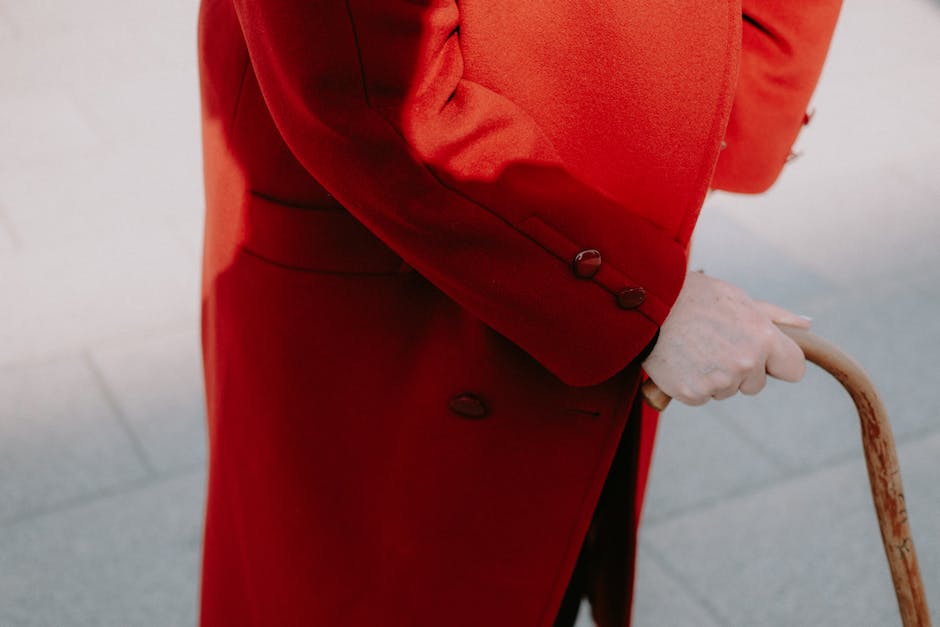
- Queen Elizabeth II’s private wardrobe offers a glimpse into her personal life, revealing a monarch grounded in routine and duty.
- The exhibition features over 50 previously unseen ensembles worn by the Queen during her private moments at Balmoral, Sandringham, and Windsor.
- The Queen’s off-duty attire emphasizes her role as a steward of rural Britain, showcasing her connection to the British countryside.
- The garments on display were not merely functional, but symbols of the Queen’s authenticity and dedication to country life.
- The exhibition arrives at a pivotal moment in the British monarchy’s evolution under King Charles III, highlighting the Queen’s enduring legacy.
More than three years after her passing, Queen Elizabeth II continues to captivate the world—not through state ceremonies or royal decrees, but through the quiet intimacy of her personal wardrobe. A new exhibition at Buckingham Palace, titled “Style of a Queen: The Private Wardrobe,” unveils over 50 previously unseen ensembles worn by the monarch during her private moments at Balmoral, Sandringham, and Windsor. Among the items on display are well-worn riding boots, practical Barbour coats, head scarves tied in the Scottish breeze, and signature tartan skirts—garments that reflect not just fashion choices, but a lifelong dedication to country life. These pieces, preserved with meticulous care, offer a rare glimpse into the woman behind the crown, revealing a monarch who, despite global stature, remained grounded in routine, duty, and the rhythms of the British countryside.
A Legacy Woven in Wool and Tradition

The exhibition arrives at a moment of renewed public interest in the British monarchy’s evolving identity under King Charles III. By focusing on the Queen’s off-duty attire, curators emphasize a dimension of her reign often overshadowed by grand state occasions: her role as a steward of rural Britain. Elizabeth was frequently photographed in her country wear—walking the moors, feeding ponies, or driving her beloved Land Rover—and these images became emblematic of her authenticity. The garments on display were not merely functional; they were symbols of continuity and stability. Wearing tartan patterns linked to her family’s Scottish heritage, or choosing practicality over pomp, the Queen communicated a quiet consistency that resonated across generations. This exhibition underscores how her sartorial choices, even in private, were part of a broader narrative of duty, endurance, and national identity.
Pieces That Tell a Personal Story

The collection includes items worn during some of the most significant private years of the Queen’s life, from her early days as a young mother at Balmoral to her final decades as the nation’s longest-reigning monarch. Among the highlights is a green Barbour jacket, worn for decades during autumn walks, still bearing traces of moorland soil. A pair of brown leather riding boots, custom-made by Lobb Bootmakers, shows signs of extensive use, a testament to her lifelong passion for horseback riding. Head scarves, often tied beneath the chin in the style of rural farmworkers, are displayed alongside hand-knitted sweaters and woolen skirts in Royal Stewart tartan. Each garment was selected in collaboration with Royal Collection Trust conservators and members of the late monarch’s personal staff, ensuring authenticity and emotional resonance. Notably absent are the bright coats and matching hats familiar from public engagements—this is a wardrobe stripped of ceremony, revealing a woman deeply at ease in nature and routine.
Symbolism in Simplicity

What makes this exhibition particularly compelling is not just the garments themselves, but what they represent in the broader context of monarchy and modernity. In an age of increasing royal scrutiny and public demand for transparency, Queen Elizabeth’s off-duty style served as a form of soft diplomacy—unspoken yet powerful. Her choice to wear durable, accessible clothing in private contrasted sharply with the opulence of state robes, reinforcing an image of humility and service. According to royal fashion historian Caroline Johnston, “The Queen’s country wardrobe was a deliberate aesthetic strategy. It signaled that she was not removed from the lives of ordinary people.” Data from visitor surveys at previous Royal Collection exhibitions show that audiences consistently respond most strongly to personal, humanizing artifacts—items that bridge the gap between institution and individual. This focus on authenticity may explain why the monarchy, despite its controversies, retains a degree of public sympathy.
Cultural and Emotional Resonance

The exhibition touches a nerve in a Britain grappling with national identity, class divides, and the future of the Crown. For many, the Queen’s country attire evokes nostalgia for a perceived simpler time, when leadership was measured in presence rather than performance. Farmers, equestrian communities, and rural conservation groups have expressed appreciation for the display, seeing it as recognition of their way of life. Conversely, critics argue that the romanticization of royal country living risks obscuring the vast estates and inherited wealth that underpin such lifestyles. Still, the emotional impact is undeniable. Visitors are expected to queue for hours, drawn not by spectacle, but by a desire to connect with a figure who, in her final years, became a symbol of resilience. The garments, humble in material but rich in meaning, serve as tactile reminders of a life lived in public service.
Expert Perspectives
“The Queen’s wardrobe was never just about clothing—it was about communication,” says Dr. Emma McClendon, curator of fashion at the Victoria and Albert Museum, who was not involved in the exhibition. “Her off-duty style projected continuity, reliability, and a connection to tradition.” In contrast, cultural critic Dr. Amina Khan suggests caution: “We must be wary of conflating personal style with public virtue. The monarchy benefits from these displays of ‘simplicity,’ even as structural inequalities persist.” These contrasting views highlight the dual nature of royal symbolism—both deeply personal and inherently political.
As the exhibition runs through early 2025, historians and curators will monitor public response for clues about how the late Queen’s legacy is being shaped in the post-reign era. Will this intimate portrayal solidify her image as a grounded, dedicated servant of the nation? Or will it spark deeper questions about the role of monarchy in modern democracy? One thing is certain: the quiet dignity of a woolen skirt or a pair of well-worn boots continues to speak volumes.
Source: The New York Times