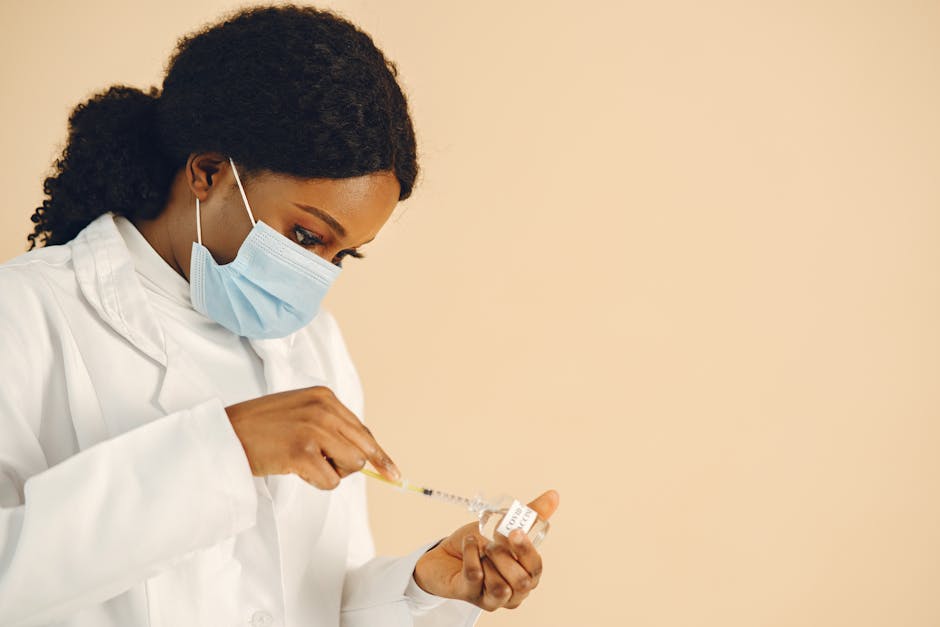
- South Carolina’s measles outbreak infected nearly 1,000 residents, primarily unvaccinated children, in late 2024.
- The outbreak was linked to low MMR vaccination rates in schools and close-knit communities.
- At its peak, hospitals reported over 100 new measles cases per week, prompting a public health emergency.
- Measles is a highly contagious virus that can lead to severe complications, including pneumonia and encephalitis.
- The outbreak highlighted the fragility of herd immunity in the face of growing vaccine skepticism and misinformation.
For the first time in over three decades, South Carolina faced a measles epidemic that infected close to 1,000 residents, primarily unvaccinated children, before being declared over in late 2024. The outbreak, which began in early January in Greenville County, rapidly spread through schools and close-knit communities with low MMR (measles, mumps, and rubella) vaccination rates. At its peak, hospitals reported over 100 new cases per week, prompting state health officials to declare a public health emergency. Measles, a highly contagious virus that can lead to severe complications including pneumonia and encephalitis, had been considered eliminated in the U.S. since 2000 due to widespread immunization. This resurgence underscored the fragility of herd immunity in the face of growing vaccine skepticism and misinformation.
Why This Outbreak Matters Now

The South Carolina measles crisis is emblematic of a broader trend in public health: the erosion of vaccine confidence across parts of the United States. Despite measles being preventable with a safe, effective, and widely available vaccine, pockets of under-immunized populations have created fertile ground for outbreaks. The Centers for Disease Control and Prevention (CDC) reported that national MMR vaccination coverage among kindergarteners dropped to 92.7% in 2022–2023, below the 95% threshold needed for herd immunity. In several South Carolina counties, coverage fell as low as 80%, largely due to non-medical exemptions. This outbreak serves as a stark warning that diseases once thought eradicated can re-emerge swiftly when public health infrastructure is undermined by misinformation and policy gaps.
Timeline and Transmission Pathways

The outbreak originated with an unvaccinated traveler returning from a region with active measles transmission, likely Eastern Europe or Southeast Asia, where the virus remains endemic. Within weeks, community spread was detected in Greenville and Spartanburg counties, where clusters of unvaccinated children in private and religious schools facilitated rapid transmission. By March, cases had spread to Charleston, Richland, and Anderson counties. The South Carolina Department of Health and Environmental Control (SCDHEC) responded by launching mass vaccination clinics, issuing quarantine orders for exposed individuals, and collaborating with school districts to enforce immunization requirements. Contact tracing efforts identified over 5,000 potential exposures, with 987 confirmed cases, 87 hospitalizations, and two pediatric deaths—one from acute encephalitis and another from secondary pneumonia.
Root Causes and Public Health Response

Analysis reveals that the outbreak was not a failure of medical science but of public trust and policy enforcement. A 2023 study published in CDC’s Morbidity and Mortality Weekly Report found that counties with high rates of non-medical vaccine exemptions were 3.5 times more likely to experience measles outbreaks. In South Carolina, legislative loopholes allowed parents to opt out of vaccinations for philosophical reasons, a policy now under review. Health officials also pointed to the role of social media in amplifying anti-vaccine rhetoric, with local Facebook groups sharing debunked claims linking the MMR vaccine to autism. SCDHEC’s response—combining aggressive outreach, mobile clinics, and partnerships with faith leaders—ultimately helped boost local vaccination rates by 18% during the crisis.
Societal and Economic Implications

The outbreak had wide-ranging consequences beyond health. Schools in affected counties faced prolonged closures, disrupting education for tens of thousands of students. Businesses reported absenteeism spikes, and healthcare systems strained under the surge in pediatric cases. The total economic cost, including public health interventions, hospitalizations, and lost productivity, is estimated at $45 million, according to the South Carolina Budget and Control Board. More intangibly, the event deepened mistrust between public health authorities and certain community groups, complicating future immunization efforts. However, it also galvanized support for stronger vaccine policies, with a bipartisan coalition in the state legislature proposing to eliminate non-medical exemptions.
Expert Perspectives
Dr. Amira Khan, an epidemiologist at Emory University, stated, “This outbreak was predictable and preventable. We have the tools; what’s missing is consistent political will and public education.” In contrast, some community advocates argue that mandates infringe on personal liberties. “Parents should have the right to make medical decisions for their children,” said a spokesperson for the South Carolina Parents’ Rights Coalition, a group opposing vaccine mandates. However, public health experts stress that individual choices have collective consequences—especially when diseases like measles can spread to infants too young to be vaccinated and immunocompromised individuals.
Looking ahead, health officials emphasize the need for sustained vigilance. While South Carolina’s outbreak is over, measles remains active globally, and international travel ensures ongoing risk. The World Health Organization (WHO) reported over 10 million cases worldwide in 2023, with outbreaks in over 70 countries. U.S. health agencies are now enhancing surveillance at major ports of entry and working to rebuild public trust through transparent communication. The South Carolina episode may mark a turning point—if it leads to stronger immunization policies—or a warning of more outbreaks to come if vaccine confidence continues to wane.
Source: Nbcnews