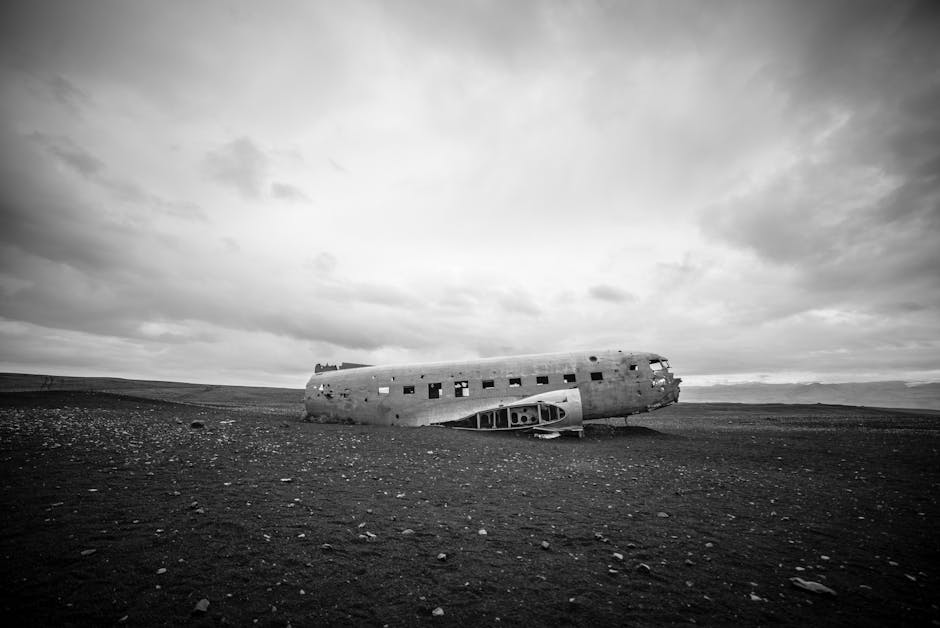
- A domestic plane crashed in South Sudan’s Unity State, killing all 15 people on board, highlighting challenges in regional air travel.
- The crash reignites concerns about the reliability of air transport in South Sudan, where flights serve as a lifeline for isolated communities.
- South Sudan remains heavily dependent on air travel due to its underdeveloped infrastructure and vast, flood-prone terrain.
- African airlines have historically faced higher accident rates than global averages, partly due to inadequate maintenance and limited air traffic control.
- The plane crash is one of the deadliest aviation accidents in South Sudan in recent years, sparking renewed scrutiny of aviation safety standards.
In a devastating incident that underscores ongoing challenges in regional air travel, a domestic aircraft crashed in South Sudan’s remote Unity State, killing all 15 people on board. The plane, operated by a local carrier, went down shortly before landing in harsh weather conditions. According to the Civil Aviation Authority of South Sudan, there were no survivors. The crash marks one of the deadliest aviation accidents in the country in recent years and has reignited concerns about the reliability of air transport in a nation where roads are often impassable and flights serve as a lifeline for isolated communities. The victims included passengers and crew, among them reportedly several aid workers and government officials traveling on official business.
Why This Crash Matters Now

South Sudan, the world’s youngest nation, remains heavily dependent on air travel due to its underdeveloped infrastructure and vast, flood-prone terrain. With fewer than 200 kilometers of paved roads connecting a population of over 11 million, domestic flights are not a luxury but a necessity for connectivity, humanitarian operations, and governance. This latest crash comes amid growing scrutiny of aviation safety standards in fragile states across Africa. According to the International Civil Aviation Organization (ICAO), African airlines have historically faced higher accident rates than global averages, partly due to inadequate maintenance, limited air traffic control, and pilot training gaps. The incident in Unity State is not isolated—similar crashes have occurred in neighboring countries, raising persistent questions about regulatory oversight and investment in aviation safety.
What Happened and Who Was Involved

The ill-fated aircraft, a Let L-410 Turbolet operated by South West Aviation, was en route from Juba, the capital, to Mayendit in Unity State when it lost contact with air traffic control during its descent. Eyewitnesses reported seeing the plane circling the airstrip multiple times before it disappeared from view and crashed into a field less than two kilometers from the runway. Rescue teams arrived hours later due to difficult access, confirming that there were no survivors. Among the deceased were seven passengers and eight crew members, including two pilots. Initial reports from local authorities indicate that the flight was carrying humanitarian staff linked to a United Nations agency and officials from the state’s health ministry. The plane had reportedly taken off under clear skies from Juba, but weather deteriorated rapidly over Unity State, with thick fog and heavy rain reducing visibility to near zero.
Analysis: Weather, Infrastructure, and Oversight

While the official investigation is ongoing, early evidence points to weather as a primary factor. However, experts caution against oversimplifying the causes. The BBC has previously highlighted how South Sudan’s aviation sector struggles with outdated aircraft, limited radar coverage, and a shortage of trained personnel. The Let L-410 model, though widely used in regional operations, requires experienced pilots to handle in adverse conditions—something not always guaranteed in conflict-affected areas where training infrastructure is weak. Data from the Aviation Safety Network shows that South Sudan has recorded at least six fatal commercial aviation accidents since 2010. Each incident shares common threads: poor maintenance, lack of regulatory enforcement, and environmental challenges. The ICAO has repeatedly urged the South Sudanese government to strengthen its civil aviation authority, but progress has been slow due to political instability and funding constraints.
Who Is Affected by the Crash

The impact of this tragedy extends beyond the immediate loss of life. Families in Juba and Unity State are mourning loved ones, many of whom were key figures in local development and health programs. The death of aid workers could disrupt critical services in a region already grappling with malnutrition and disease outbreaks. For international organizations operating in South Sudan, the crash may prompt a reassessment of travel protocols and risk assessments for staff. Airlines, too, may face increased scrutiny, potentially affecting passenger confidence. Given that air travel is essential for South Sudan’s cohesion and humanitarian response, any reduction in flight operations could have cascading effects on food delivery, medical evacuations, and government outreach in remote areas.
Expert Perspectives
Aviation safety experts are divided on how to address systemic risks. Dr. Abdi Ali, a regional transport analyst based in Nairobi, argues that “short-term fixes like weather monitoring upgrades are necessary but insufficient without broader institutional reform.” In contrast, former ICAO official Maria Nkosi emphasizes the role of international support: “Donor-funded training and aircraft modernization programs have worked elsewhere in Africa—we need to scale them here.” Meanwhile, some local pilots privately express frustration with pressure to fly despite unsafe conditions, often driven by operational demands from employers.
As the investigation unfolds, attention will focus on whether South Sudan can implement meaningful reforms to prevent future tragedies. Key questions include the adequacy of pilot training, enforcement of flight restrictions during poor weather, and investment in air navigation systems. Without sustained political will and international cooperation, experts warn, such crashes may remain an all-too-common feature of life in one of the world’s most isolated nations.
Source: BBC