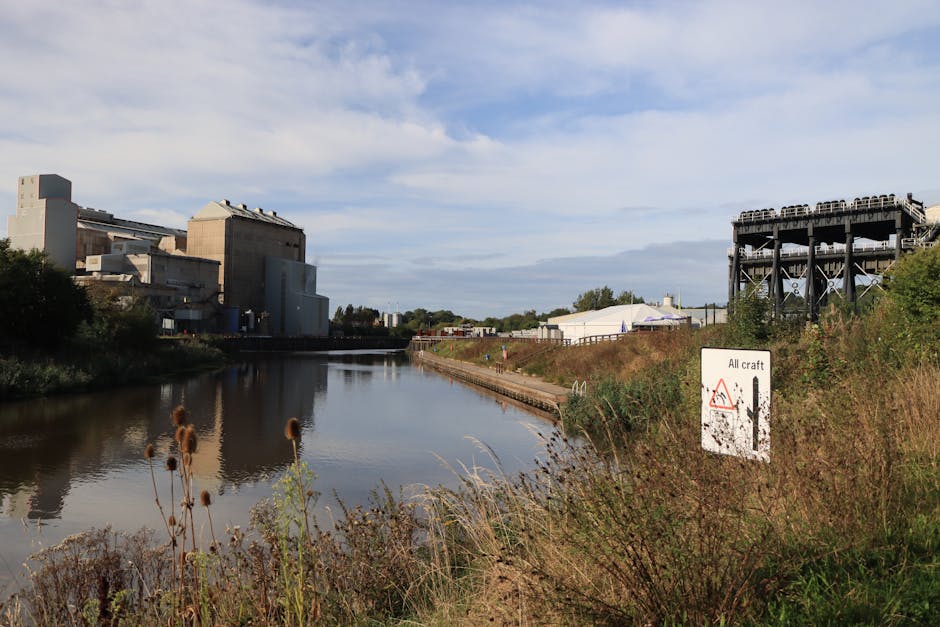
- River pollution can delay construction projects and impact homeowners’ lives, as seen in the case of Jane and Tony Coyle.
- The planning permission process is crucial in addressing environmental concerns, such as river pollution, before development can proceed.
- Environmental protection and housing development must be balanced to meet the growing demand for new homes.
- The Environment Agency plays a vital role in regulating pollution levels and ensuring sustainable development projects.
- River pollution has far-reaching consequences, from delayed construction to homeowners’ displacement, emphasizing the need for urgent action.
The alarming reality of river pollution has hit home for Jane and Tony Coyle, a couple who have been forced to live in a shed for an extended period due to delays in obtaining planning permission. The culprit behind this unfortunate situation is the River Lugg, whose pollution levels have been a major concern for the local authorities. The couple’s dream of building a home has been put on hold for seven long years, as they await the necessary approvals to proceed with construction. This shocking tale highlights the far-reaching consequences of environmental degradation and the need for urgent action to mitigate its effects.
The Planning Permission Conundrum

The planning permission process is a crucial step in the development of any property, and in this case, it has been hindered by the River Lugg’s pollution. The local authorities have been cautious in granting approvals, given the potential risks associated with the river’s condition. The couple’s application has been delayed repeatedly, leaving them in a state of limbo. This situation raises important questions about the balance between environmental protection and the need for housing development. As the demand for new homes continues to grow, it is essential to find a solution that addresses both concerns. The Environment Agency plays a vital role in regulating pollution levels and ensuring that development projects do not exacerbate the problem.
The River Lugg Pollution Crisis

The River Lugg has been plagued by pollution for several years, with high levels of nutrients and sediments affecting its water quality. The main causes of this pollution are agricultural runoff and sewage overflows, which have devastating effects on the local ecosystem. The river’s condition has been a subject of concern for environmental groups and local residents, who have been pushing for action to address the issue. The Natural Resources Wales has been working to improve the river’s water quality, but more needs to be done to prevent further pollution. The couple’s situation is a stark reminder of the human impact of environmental degradation and the need for collective action to protect our natural resources.
Analysis and Implications
The delay in planning permission has significant implications for the couple, who have been living in a shed for an extended period. The lack of a permanent home has affected their quality of life, and the uncertainty surrounding their application has caused significant stress. Furthermore, the situation highlights the need for a more efficient and effective planning permission process, one that balances environmental concerns with the need for housing development. The Ministry of Housing, Communities and Local Government has a crucial role to play in addressing these issues and ensuring that the planning system works for everyone. As the couple’s situation demonstrates, the consequences of inaction can be severe, and it is essential to find a solution that works for both the environment and local communities.
Human Impact and Community Concerns
The River Lugg pollution has far-reaching consequences for the local community, affecting not only the couple but also the wider environment. The pollution has damaged the river’s ecosystem, affecting wildlife and water quality. The community has been vocal in its concerns, with many residents calling for action to address the issue. The local authorities have a responsibility to protect the environment and ensure that development projects do not harm the community. The couple’s situation is a wake-up call for policymakers to take a more proactive approach to addressing environmental concerns and ensuring that the planning system works for everyone.
Expert Perspectives
Experts in the field of environmental science and planning have differing opinions on the best course of action to address the River Lugg pollution. Some argue that the planning permission process needs to be streamlined to allow for more efficient development, while others believe that environmental concerns should take precedence. Dr. Emma Taylor, a leading expert in environmental science, notes that “the planning system needs to strike a balance between economic development and environmental protection. We cannot afford to compromise on the health of our rivers and the well-being of local communities.” In contrast, Dr. David Smith, a planning expert, argues that “the current system is too bureaucratic and slow, leading to delays and uncertainty for developers and homeowners alike. We need to find a way to make the process more efficient without compromising on environmental standards.”
As the couple’s situation continues to unfold, it is clear that there are no easy answers. The River Lugg pollution is a complex issue that requires a multifaceted approach, involving policymakers, environmental experts, and local communities. As we look to the future, it is essential to ask what can be done to prevent similar situations from arising. Can the planning permission process be reformed to better balance environmental concerns with the need for housing development? What role can technology play in monitoring and mitigating the effects of pollution? These are just a few of the questions that need to be addressed if we are to create a more sustainable and equitable future for all.
Source: BBC