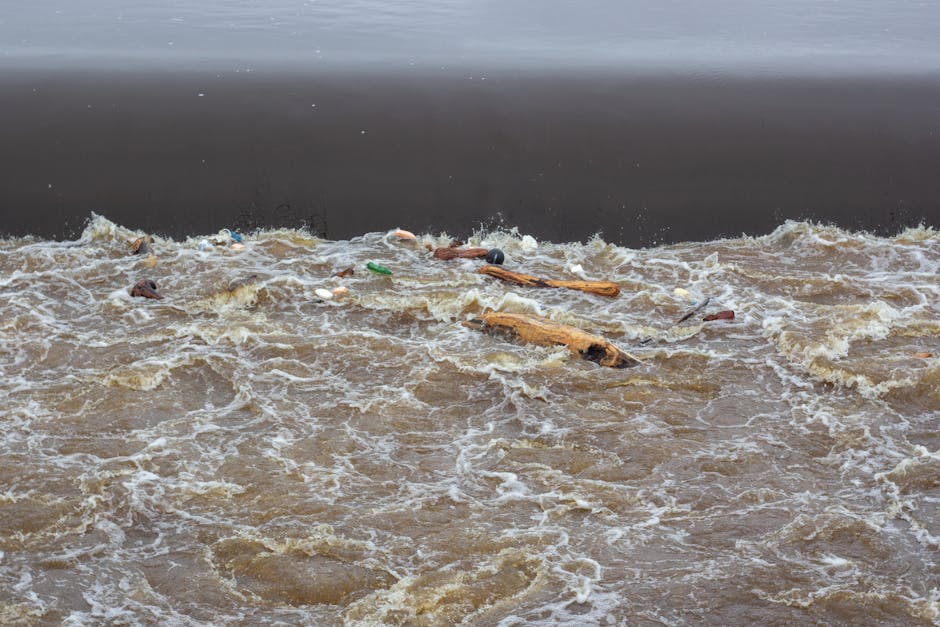
- UK environmental laws are being tested in a landmark case over 1.7 billion liters of pollution in the River Wye.
- The River Wye’s ecological collapse is linked to high levels of nitrogen and phosphate from poultry waste and sewage.
- The case targets two major polluters: Cargill, a UK chicken producer, and Welsh Water, the regional utility.
- Algal blooms and suffocated aquatic life are just two of the devastating impacts of the pollution on the river.
- The case could set a precedent for corporate accountability in the agricultural and utility sectors.
In a watershed moment for UK environmental law, allegations have emerged that over 1.7 billion liters of untreated wastewater and poultry waste may have contaminated the River Wye and two of its tributaries over the past decade. The case, now before the High Court, marks the largest environmental pollution claim in British history, with ecological experts testifying that nitrogen and phosphate levels in the river have surged to more than three times the safe threshold established by the Environment Agency. Algal blooms now choke stretches of the once-pristine waterway, suffocating aquatic life and disrupting biodiversity. If proven, the scale of contamination could set a precedent for corporate accountability in agricultural and utility sectors, where regulatory oversight has long been criticized as insufficient.
The Wye on the Brink

The River Wye, a Site of Special Scientific Interest that flows 135 miles from mid-Wales through Herefordshire to the Severn Estuary, is now facing ecological collapse due to nutrient overload, primarily from poultry manure and sewage discharge. The current legal action targets two entities: Cargill, one of the UK’s largest chicken producers operating a major hatchery in Hereford, and Welsh Water (Dŵr Cymru), the regional utility responsible for wastewater treatment. Environmental lawyers, representing a coalition of conservation groups including Friends of the Earth and River Action, argue that both companies engaged in a pattern of negligence—permitting untreated effluent and agricultural runoff to enter the river system. With the Wye’s chalk stream ecosystem recognized as rarer than the Amazon rainforest, the case has drawn national attention as a litmus test for enforcing environmental protections in the face of industrial-scale farming and underfunded infrastructure.
Charges and Corporate Responsibility

The High Court proceedings allege that Cargill’s intensive poultry operations generated thousands of tons of nitrogen-rich waste, much of which was spread on nearby fields during wet seasons when absorption was minimal, leading to runoff into tributaries feeding the Wye. Satellite imagery and Environment Agency data presented in court show repeated spikes in water pollution following heavy rainfall, correlating with manure application schedules. Meanwhile, Welsh Water is accused of failing to maintain aging sewage treatment plants, allowing discharges containing harmful bacteria and excess nutrients into the Wye and its feeder streams. Internal emails disclosed during pre-trial hearings suggest that Welsh Water officials were aware of system failures as early as 2016 but delayed upgrades due to budget constraints. Both companies deny systematic wrongdoing, with Cargill asserting compliance with environmental permits and Welsh Water citing broader challenges in rural wastewater management.
Ecological and Regulatory Breakdown
Scientific analysis of water samples from 2015 to 2023 reveals a troubling trend: average phosphate concentrations in the upper Wye have risen from 0.05 mg/L to over 0.18 mg/L—well above the 0.03 mg/L threshold for healthy chalk streams. This eutrophication fuels toxic algal blooms that deplete oxygen, killing fish and invertebrates. A 2022 study published in Scientific Reports linked the decline of native trout and mayfly populations directly to nutrient pollution in the catchment. Experts argue that the regulatory framework has failed to keep pace with intensifying agriculture. The UK’s Farming Rules for Water, introduced in 2018, lack enforcement mechanisms, and fewer than 5% of agricultural pollution incidents result in prosecution. As climate change increases rainfall intensity, runoff events are becoming more frequent, exacerbating the crisis. The court case could force a reevaluation of how environmental permits are issued and monitored.
Who Bears the Cost of Degradation?
If the court rules in favor of the claimants, the implications extend far beyond the Wye. Local communities, already grappling with declining property values and restricted river access, could see cleanup efforts funded through corporate penalties. Farmers in the catchment area may face tighter restrictions on fertilizer use and manure storage, while water utilities across England and Wales could be compelled to accelerate infrastructure investments. Moreover, the case could empower similar lawsuits targeting other intensive livestock operations, particularly in regions like East Anglia and the South West, where water quality is similarly compromised. With over 86% of England’s rivers failing chemical standards, according to the Environment Agency’s 2023 report, this trial may mark the beginning of a broader reckoning for environmental stewardship in the UK.
Expert Perspectives
Environmental scientists largely support the legal action, arguing it addresses a critical enforcement gap. Dr. Emily Saunders of the University of Exeter’s Centre for Ecology and Conservation calls the case “a long-overdue correction to decades of regulatory complacency.” However, some agricultural economists warn that aggressive litigation could burden food producers already facing rising costs. Professor Alan Hughes of Cambridge notes, “While pollution must be curbed, we need balanced policies that don’t jeopardize food security or rural livelihoods.” The tension underscores the complexity of managing ecological health within an industrialized agricultural system.
As the High Court deliberates, eyes are on whether the UK will strengthen its environmental governance or maintain the status quo. The verdict, expected within six months, could influence upcoming legislation under the Environmental Act 2021, particularly around biodiversity net gain and water quality targets. One open question remains: can legal action alone reverse ecological damage, or is systemic reform—of farming subsidies, water regulation, and corporate accountability—urgently needed?
Source: BBC