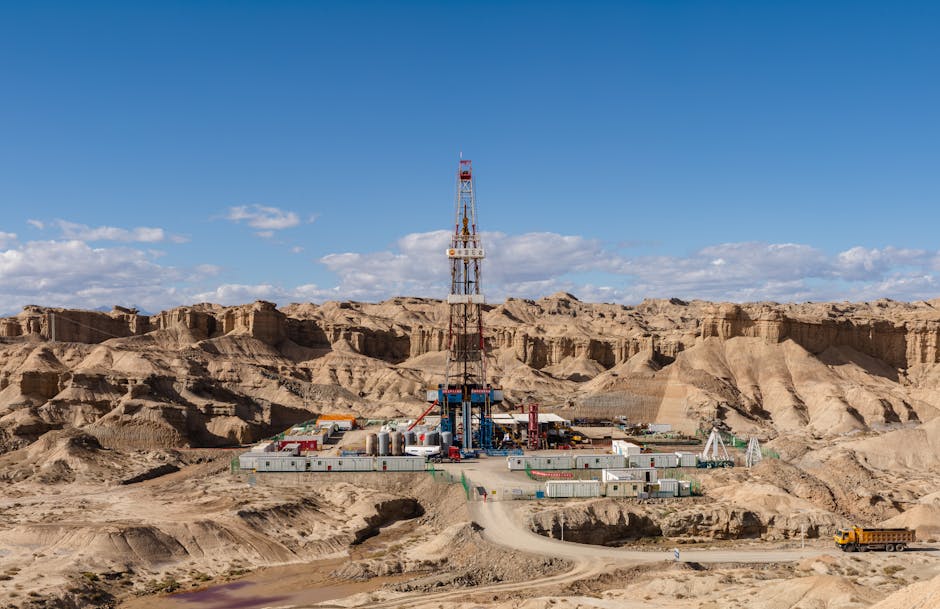
- Oil prices surged over 2% to $70 a barrel due to escalating tensions between the US and Iran.
- Failed peace talks in Pakistan raised concerns about potential further conflict in the Middle East.
- Investors are increasingly nervous about the outlook for the oil market, leading to price surges.
- Supply disruptions in the Middle East are also driving the rise in oil prices, according to Reuters.
- Long-standing tensions between the US and Iran are being fueled by disagreements over the nuclear program and regional conflicts.
The price of Brent crude has surged by more than 2% to over $70 a barrel, marking a significant increase in the cost of oil as tensions between the US and Iran continue to escalate. This rise in oil prices comes after the two nations failed to hold a second round of peace talks in Pakistan, which were widely seen as a crucial step towards easing tensions in the Middle East. The stalled talks have raised concerns about the potential for further conflict in the region, which could have a major impact on global oil supplies and prices. As a result, investors are becoming increasingly nervous about the outlook for the oil market, leading to a surge in prices. According to Reuters, the rise in oil prices is also being driven by concerns about the potential for supply disruptions in the Middle East.
Background to the Conflict

The US and Iran have been engaged in a bitter standoff for several years, with tensions escalating significantly in recent months. The conflict between the two nations has its roots in a range of issues, including disagreements over Iran’s nuclear program and its involvement in regional conflicts. The US has imposed tough sanctions on Iran, which have had a major impact on the country’s economy. Despite efforts to ease tensions, including the negotiation of a nuclear deal in 2015, the relationship between the US and Iran remains highly volatile. The failure to hold a second round of peace talks in Pakistan has raised concerns that the conflict could be about to escalate further, with potentially significant consequences for the global economy. As noted by the BBC, the conflict between the US and Iran has the potential to draw in other nations and spark a wider regional conflict.
Key Details of the Stalled Talks

The second round of peace talks between the US and Iran was due to take place in Pakistan, but was cancelled at short notice due to disagreements over the agenda. The talks were seen as a crucial opportunity for the two nations to ease tensions and make progress towards a resolution of their differences. However, the failure to hold the talks has raised concerns that the conflict could be about to escalate further. The US and Iran have both blamed each other for the failure of the talks, with the US accusing Iran of refusing to negotiate in good faith and Iran accusing the US of imposing unrealistic demands. As reported by The New York Times, the stalled talks have raised concerns about the potential for further conflict in the Middle East.
Analysis of the Conflict
The conflict between the US and Iran has significant implications for the global economy, particularly in terms of the potential impact on oil prices. The Middle East is home to some of the world’s largest oil producers, and any disruption to supplies could have a major impact on the global economy. The rise in oil prices is also being driven by concerns about the potential for supply disruptions, as well as the impact of sanctions on Iran’s economy. According to AP News, the conflict between the US and Iran has the potential to spark a wider regional conflict, which could have significant consequences for the global economy. Experts warn that the conflict could also have a major impact on the environment, particularly in terms of the potential for oil spills and other forms of pollution.
Implications of the Conflict
The implications of the conflict between the US and Iran are significant, particularly in terms of the potential impact on the global economy. The rise in oil prices could have a major impact on inflation, as well as the cost of living for consumers around the world. The conflict could also have a major impact on the environment, particularly in terms of the potential for oil spills and other forms of pollution. As noted by the The Guardian, the conflict between the US and Iran has the potential to spark a wider regional conflict, which could have significant consequences for the global economy and the environment. The conflict could also have a major impact on global trade, particularly in terms of the potential for supply disruptions and other forms of disruption.
Expert Perspectives
Experts have warned that the conflict between the US and Iran has the potential to escalate further, with potentially significant consequences for the global economy. According to Nature, the conflict could have a major impact on the environment, particularly in terms of the potential for oil spills and other forms of pollution. Other experts have warned that the conflict could also have a major impact on global trade, particularly in terms of the potential for supply disruptions and other forms of disruption. As reported by Science Daily, the conflict between the US and Iran has the potential to spark a wider regional conflict, which could have significant consequences for the global economy and the environment.
Looking to the future, it remains to be seen how the conflict between the US and Iran will play out. One thing is certain, however: the implications of the conflict will be significant, particularly in terms of the potential impact on the global economy and the environment. As noted by the CDC, the conflict could also have a major impact on global health, particularly in terms of the potential for the spread of disease and other forms of health disruption. The situation will need to be monitored closely in the coming weeks and months, as the potential for further escalation remains high.
Source: Al Jazeera