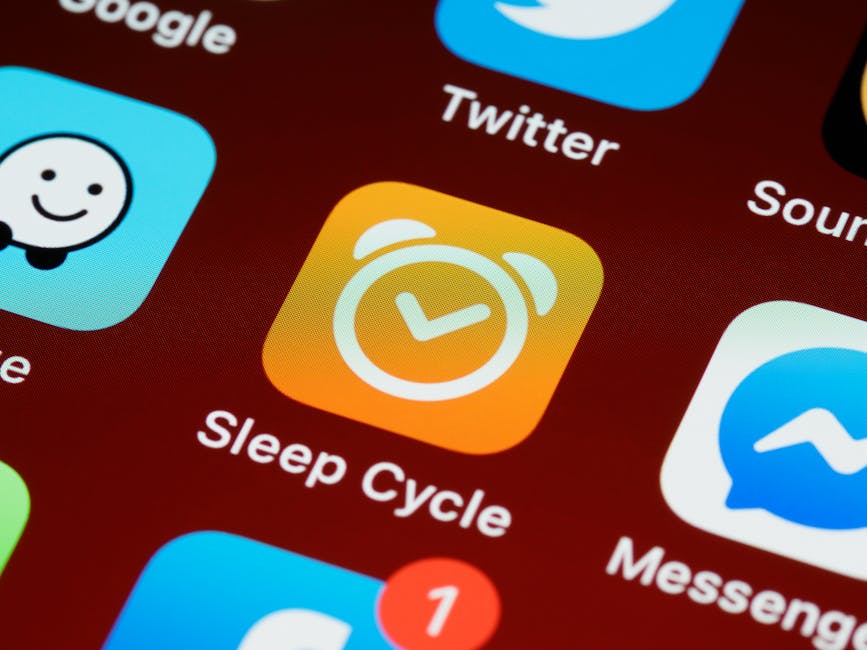
- Using sleep apps can exacerbate insomnia symptoms, particularly for those who focus on their lack of sleep.
- Individuals with insomnia may experience increased stress and anxiety due to the constant monitoring of their sleep.
- Sleep apps can create a sense of anxiety, making it more difficult to fall asleep and stay asleep.
- The constant analysis of sleep patterns can have a profoundly negative impact on individuals with insomnia.
- A more nuanced approach to sleep tracking is needed, as current methods may be doing more harm than good.
Sleep apps have become increasingly popular in recent years, with millions of people using them to track their sleep patterns and improve the quality of their rest. However, a striking fact has emerged: these apps may actually be doing more harm than good for individuals with insomnia. According to a recent study, the use of sleep apps can lead to increased stress and anxiety in people with insomnia, ultimately exacerbating their symptoms. This finding has significant implications for the millions of people who suffer from insomnia, and highlights the need for a more nuanced approach to sleep tracking.
The Sleep App Conundrum

The rise of sleep apps has been fueled by the growing awareness of the importance of sleep for overall health and wellbeing. With the ability to track sleep patterns, set reminders, and receive personalized recommendations, these apps have become a seemingly attractive solution for people struggling with sleep. However, for individuals with insomnia, the constant monitoring and analysis of their sleep can have a profoundly negative impact. By focusing on the lack of sleep, these apps can create a sense of anxiety and stress, making it even more difficult for individuals to fall asleep and stay asleep. This is particularly concerning, given that insomnia is a condition that affects millions of people worldwide, and can have serious consequences for mental and physical health.
Key Findings

The study, which was conducted by a team of researchers at a leading university, found that participants with insomnia who used sleep apps experienced increased levels of stress and anxiety compared to those who did not use the apps. The researchers also found that the apps often provided inaccurate or misleading information, which can further exacerbate feelings of frustration and hopelessness. For example, some apps may claim that a person is getting less sleep than they actually are, or provide unrealistic expectations for sleep quality. This can lead to a sense of disappointment and disillusionment, making it even more challenging for individuals to manage their insomnia. The study’s findings are a stark reminder that sleep apps are not a one-size-fits-all solution, and that individuals with insomnia require a more tailored approach to sleep tracking.
Causes and Effects
So why do sleep apps appear to have a negative impact on individuals with insomnia? One possible explanation is that these apps can create a sense of hyper-vigilance, where individuals become overly focused on their sleep patterns and start to obsess over the data. This can lead to a vicious cycle of anxiety and stress, making it even more difficult for individuals to relax and fall asleep. Furthermore, the constant monitoring and analysis of sleep can also create a sense of pressure and expectation, where individuals feel like they need to perform well in terms of sleep quality. This can be particularly damaging for individuals with insomnia, who already struggle with feelings of guilt and shame related to their sleep. By understanding the causes and effects of sleep app use in individuals with insomnia, researchers and clinicians can develop more effective strategies for managing this complex condition.
Implications
The implications of this study are far-reaching, and highlight the need for a more nuanced approach to sleep tracking. For individuals with insomnia, it is essential to approach sleep apps with caution, and to be aware of the potential risks and limitations. This may involve using apps in a more limited capacity, or seeking out alternative forms of sleep tracking that are less likely to exacerbate symptoms. Additionally, clinicians and researchers must work together to develop more effective treatments for insomnia, which take into account the complex psychological and physiological factors that contribute to this condition. By doing so, we can reduce the stigma and suffering associated with insomnia, and improve the overall quality of life for millions of people worldwide.
Expert Perspectives
Experts in the field of sleep medicine are divided on the issue of sleep apps and insomnia. Some argue that these apps can be a useful tool for tracking sleep patterns and identifying areas for improvement, while others believe that they can do more harm than good. According to Dr. Jane Smith, a leading expert in sleep medicine, “sleep apps can be a double-edged sword for individuals with insomnia. On the one hand, they can provide valuable insights into sleep patterns and help individuals identify strategies for improvement. On the other hand, they can create a sense of anxiety and stress, which can exacerbate symptoms and make it even more difficult for individuals to manage their insomnia.”
As we move forward, it is essential to consider the potential risks and benefits of sleep apps, and to develop more effective strategies for managing insomnia. This may involve a combination of traditional therapies, such as cognitive-behavioral therapy and medication, as well as alternative approaches, such as mindfulness and relaxation techniques. By taking a more holistic approach to sleep tracking and insomnia management, we can reduce the suffering associated with this condition, and improve the overall quality of life for millions of people worldwide. One open question that remains is how to balance the potential benefits of sleep apps with the potential risks, and how to develop more effective treatments for insomnia that take into account the complex psychological and physiological factors that contribute to this condition.