- The Amazon rainforest is facing unprecedented threats due to industrialization and relaxed environmental controls.
- 17% of the Amazon rainforest has already been lost to deforestation, with the rate of destruction showing no signs of slowing down.
- Relaxed regulations have emboldened corporations to disregard the region’s fragile ecosystem and clear land for agriculture, mining, and logging.
- The Amazon rainforest is not only a vital carbon sink but also home to a vast array of plant and animal species, many of which are found nowhere else on Earth.
- The Brazilian government’s decision to relax environmental controls has been widely criticized by environmentalists, who argue it is a betrayal of its commitment to protecting the environment.
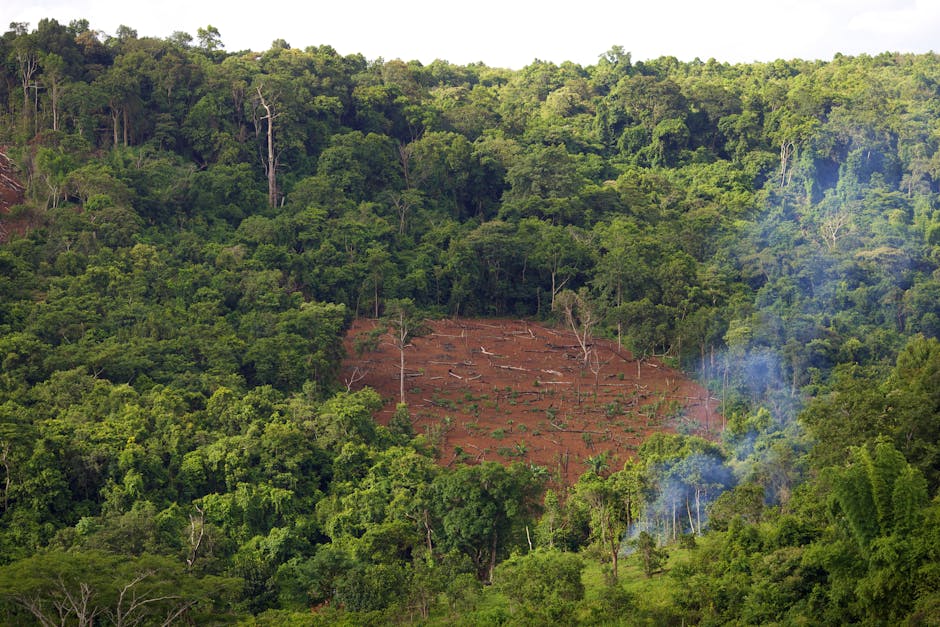
The Amazon rainforest, often referred to as the lungs of the Earth, is facing an unprecedented threat. Stark photos taken by photographer Lalo de Almeida reveal the devastating impact of industrialisation on the fragile ecosystem. The Brazilian government’s decision to relax environmental controls has opened up the floodgates for corporations to exploit the region’s rich natural resources, resulting in widespread deforestation and habitat destruction. The statistics are alarming, with an estimated 17% of the Amazon rainforest already lost to deforestation, and the rate of destruction showing no signs of slowing down.
The Relaxed Regulations

The Brazilian government’s decision to relax environmental controls has been a major factor in the surge of industrialisation in the Amazon rainforest. The move has been widely criticised by environmentalists, who argue that it has emboldened corporations to disregard the region’s fragile ecosystem. The relaxed regulations have made it easier for companies to obtain permits to clear land for agriculture, mining, and logging, resulting in a significant increase in deforestation. The government’s stance has been seen as a betrayal of its commitment to protecting the environment, and the consequences are already being felt. The Amazon rainforest is not only a vital carbon sink, but it is also home to a vast array of plant and animal species, many of which are found nowhere else on Earth.
The Human Cost

The industrialisation of the Amazon rainforest is not only having a devastating impact on the environment, but it is also affecting the lives of the people who call the region home. The indigenous communities that have lived in the Amazon for centuries are facing displacement, violence, and marginalisation as their lands are taken over by corporations. The photos taken by Lalo de Almeida show the stark reality of the situation, with images of destroyed forests, polluted rivers, and displaced communities. The Brazilian government’s failure to protect the rights of these communities has been widely condemned, and the international community is calling for action to be taken to address the crisis. The situation is complex, with many different stakeholders involved, but one thing is clear: the Amazon rainforest and its inhabitants are in urgent need of protection.
The Environmental Impact
The environmental impact of the industrialisation of the Amazon rainforest is far-reaching and devastating. The destruction of the forest is not only releasing massive amounts of carbon into the atmosphere, but it is also disrupting the delicate balance of the ecosystem. The Amazon rainforest plays a critical role in regulating the global climate, and its destruction could have catastrophic consequences. The photos taken by Lalo de Almeida show the extent of the destruction, with images of cleared land, burning forests, and polluted rivers. The situation is dire, and urgent action is needed to protect the Amazon rainforest and prevent further destruction. The international community must come together to support conservation efforts and hold corporations and governments accountable for their actions.
The Global Implications
The destruction of the Amazon rainforest has far-reaching implications that go beyond the region itself. The Amazon is often referred to as the lungs of the Earth, and its destruction could have catastrophic consequences for the global climate. The release of carbon into the atmosphere could exacerbate climate change, leading to more frequent and severe weather events, rising sea levels, and disruptions to food production. The situation is urgent, and the international community must take action to protect the Amazon rainforest and prevent further destruction. The photos taken by Lalo de Almeida serve as a stark reminder of the devastating impact of human activity on the environment, and the need for urgent action to protect the planet.
Expert Perspectives
Experts are warning that the destruction of the Amazon rainforest could have catastrophic consequences for the global climate. Dr. Thomas Lovejoy, a renowned environmental scientist, has stated that the Amazon is a critical component of the global ecosystem, and its destruction could lead to a tipping point in the climate crisis. On the other hand, some economists argue that the industrialisation of the Amazon is necessary for economic growth and development. However, this perspective has been widely criticised by environmentalists, who argue that the short-term gains from industrialisation are far outweighed by the long-term costs to the environment and human health.
As the situation in the Amazon continues to deteriorate, the international community is left wondering what the future holds. Will the Brazilian government take action to protect the environment, or will the destruction of the Amazon rainforest continue unabated? The photos taken by Lalo de Almeida serve as a stark reminder of the devastating impact of human activity on the environment, and the need for urgent action to protect the planet. One thing is certain: the fate of the Amazon rainforest is a global concern, and it requires a global response. The world is watching, and it is up to us to demand action to protect this vital ecosystem.