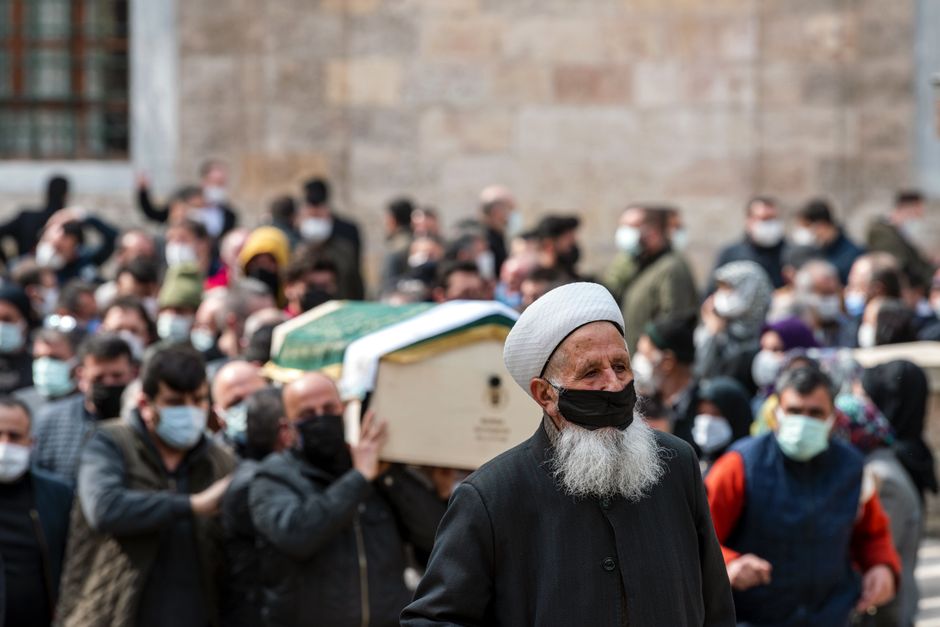
- Ayatollah Ali Khamenei’s death marks the end of an era for Iran, with crowds gathering to pay their respects.
- Khamenei’s funeral procession draws tens of thousands of people, a mix of mourners and curiosity seekers.
- The late leader’s significant impact on Iran and its people is evident in the outpouring of grief.
- Iranian authorities take no chances in ensuring the funeral procession passes off without incident.
- Khamenei’s legacy will shape Iran’s politics and ideology for generations to come.
The funeral procession for Iran’s Supreme Leader, Ayatollah Ali Khamenei, has moved through the streets of Tehran, with crowds of mourners gathering to pay their respects to the man who has shaped the country’s politics and ideology for decades. The procession, which began in the morning, has drawn tens of thousands of people, all eager to catch a glimpse of the late leader’s coffin as it makes its way through the city. Khamenei’s death marks the end of an era for Iran, and the outpouring of grief on display in Tehran is a testament to the significant impact he had on the country and its people.
The Current State of Mourning

The funeral procession is being held amidst tight security, with Iranian authorities taking no chances in ensuring that the event passes off without incident. The crowds that have gathered are a mix of mourners and curiosity seekers, all united in their desire to be a part of this historic moment. The procession is being broadcast live on state television, allowing those who cannot attend in person to still feel connected to the event. As the coffin makes its way through the city, it is being accompanied by senior Iranian officials, including the country’s president and other high-ranking clerics.
A Life of Leadership

Ayatollah Ali Khamenei was a dominant figure in Iranian politics for over three decades, serving as the country’s Supreme Leader since 1989. During his time in office, he oversaw significant changes in Iran, including the country’s emergence as a major regional power. Khamenei was also a key figure in the development of Iran’s nuclear program, which has been the subject of intense international scrutiny in recent years. His leadership style was characterized by a mix of pragmatism and ideology, as he sought to balance the needs of his country with the demands of its conservative clerical establishment.
The Key Players

The funeral procession is being attended by a number of key figures, including Iranian President Ebrahim Raisi and other senior officials. The presence of these individuals serves as a reminder of the significant role that Khamenei played in shaping Iran’s politics and ideology. As the country moves forward without its longtime leader, it will be interesting to see how these figures navigate the challenges that lie ahead. The funeral procession is also being watched closely by international leaders, who will be seeking to gauge the mood of the Iranian people and the direction of the country’s future leadership.
Consequences and Implications

The death of Ayatollah Ali Khamenei has significant implications for Iran and the wider region. As the country begins the process of selecting a new Supreme Leader, there are likely to be intense negotiations and maneuvering behind the scenes. The outcome of this process will have a major impact on the direction of Iranian politics and foreign policy, and will be watched closely by leaders around the world. The funeral procession serves as a reminder of the enduring legacy of Khamenei, and the significant challenges that his successor will face in seeking to build on his achievements.
The Bigger Picture
The death of Ayatollah Ali Khamenei is a significant moment in the history of the Middle East, and serves as a reminder of the complex and often fraught nature of regional politics. As Iran begins a new chapter without its longtime leader, it will be important for the country’s leaders to navigate the challenges that lie ahead with caution and wisdom. The international community will be watching closely, seeking to understand the implications of Khamenei’s death and the direction of Iran’s future leadership. For more information on the history of Iran and its leadership, visit the BBC’s website.
As the funeral procession comes to a close, attention will turn to the process of selecting a new Supreme Leader and the implications that this will have for Iran and the wider region. It is a moment of great uncertainty, but also one of significant opportunity. As the country looks to the future, it will be important for its leaders to balance the needs of their people with the demands of the international community, and to seek a path that promotes peace, stability, and prosperity for all.
Source: Al Jazeera