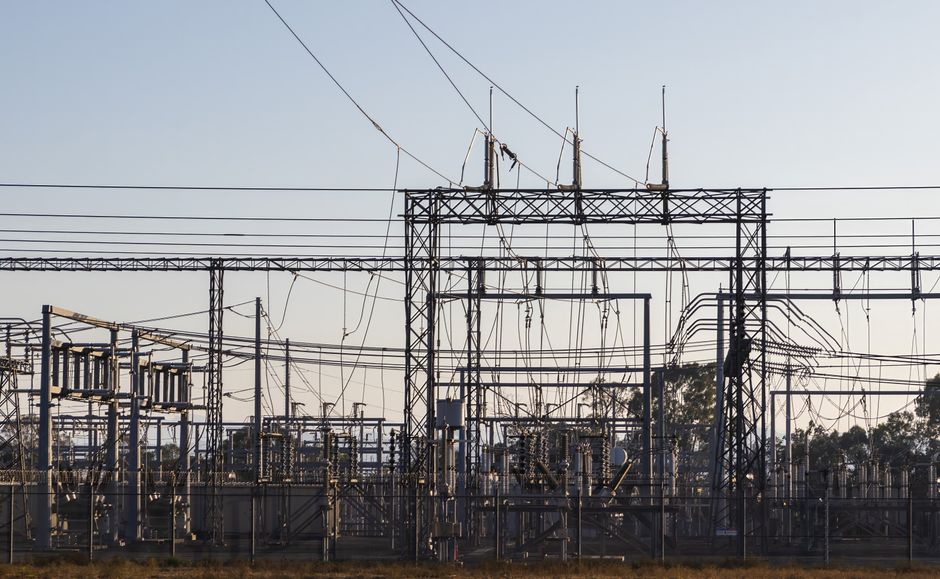
- The US electrical grid is facing significant strain due to a severe heat wave, prompting the use of backup power sources.
- The Trump administration has ordered data centers to utilize their backup power to reduce the load on the grid and prevent power outages.
- Data centers in the PJM Interconnection region, serving over 65 million people, are most affected by this decision.
- Using backup power will help alleviate pressure on the grid, ensuring a stable supply of electricity to homes and businesses.
- The increased demand due to the heat wave has put a significant strain on the electrical grid, operating at near capacity.
The US electrical grid is facing significant strain as a severe heat wave grips the country, prompting the Trump administration to order data centers to utilize their backup power sources. This move is aimed at reducing the load on the grid and preventing potential power outages. The decision affects data centers across the United States, particularly those in the PJM Interconnection region, which serves over 65 million people. As temperatures soar, the use of backup power will help alleviate some of the pressure on the grid, ensuring a more stable supply of electricity to homes and businesses.
Background and Context

The current heat wave has brought triple-digit temperatures to much of the United States, leading to a surge in electricity demand as people turn to air conditioning for relief. This increased demand has put a significant strain on the electrical grid, which is already operating at near capacity. The situation is further complicated by the fact that many data centers, which are major consumers of electricity, often have backup power sources that go unused. By requiring these data centers to use their backup power, the administration hopes to reduce the strain on the grid and prevent power outages that could have devastating consequences for both businesses and individuals.
Key Details and Players Involved

The order to use backup power affects data centers that are part of the PJM Interconnection, a regional transmission organization that coordinates the movement of electricity in all or parts of 13 states. PJM Interconnection plays a critical role in managing the electrical grid in these areas, ensuring that there is a reliable supply of electricity to meet demand. The decision to require data centers to use backup power is part of a broader effort to manage electricity demand during periods of high usage, such as heat waves. This approach not only helps in preventing power outages but also in maintaining the integrity of the electrical grid.
Analysis and Implications

The move to require data centers to use backup power sources highlights the complexities and challenges of managing electricity demand, especially during extreme weather events. It also underscores the critical role that data centers play in the overall electricity landscape. While the use of backup power can help reduce strain on the grid, it also raises questions about the efficiency and environmental impact of these backup systems, many of which are powered by diesel generators. As the country experiences more frequent and severe heat waves due to climate change, the need for sustainable and resilient electricity management strategies becomes increasingly pressing. For more information on how climate change affects electricity demand, visit The New York Times for in-depth coverage.
Broader Implications and Effects

The impact of requiring data centers to use backup power extends beyond the immediate reduction in strain on the electrical grid. It also has implications for businesses and individuals who rely on these data centers for their operations. The stability of the electrical supply is crucial for the continuity of services provided by data centers, ranging from cloud computing to data storage. Furthermore, this move could set a precedent for how electricity demand is managed during future extreme weather events, potentially leading to more innovative and sustainable solutions for grid management. As explained by experts on Reuters, the long-term effects of such strategies will be closely monitored.
Expert Perspectives
Experts in the field of energy and grid management have contrasting viewpoints on the requirement for data centers to use backup power. Some see it as a necessary measure to ensure grid stability during periods of high demand, while others argue that it is a stopgap solution that does not address the underlying issues of inefficient energy use and the need for more sustainable backup power sources. According to a report by Nature, there is a growing consensus on the need for a more holistic approach to managing electricity demand and supply.
Looking forward, the key question is how the electrical grid will be managed in the face of increasingly frequent extreme weather events. As the country moves towards more sustainable energy solutions, there will be a need for innovative strategies that balance the demand for electricity with the need to reduce strain on the grid. This could involve investments in renewable energy sources, improvements in energy efficiency, and the development of more advanced grid management technologies. For the latest developments in renewable energy, visit BBC News for updates and analysis.
Source: The New York Times