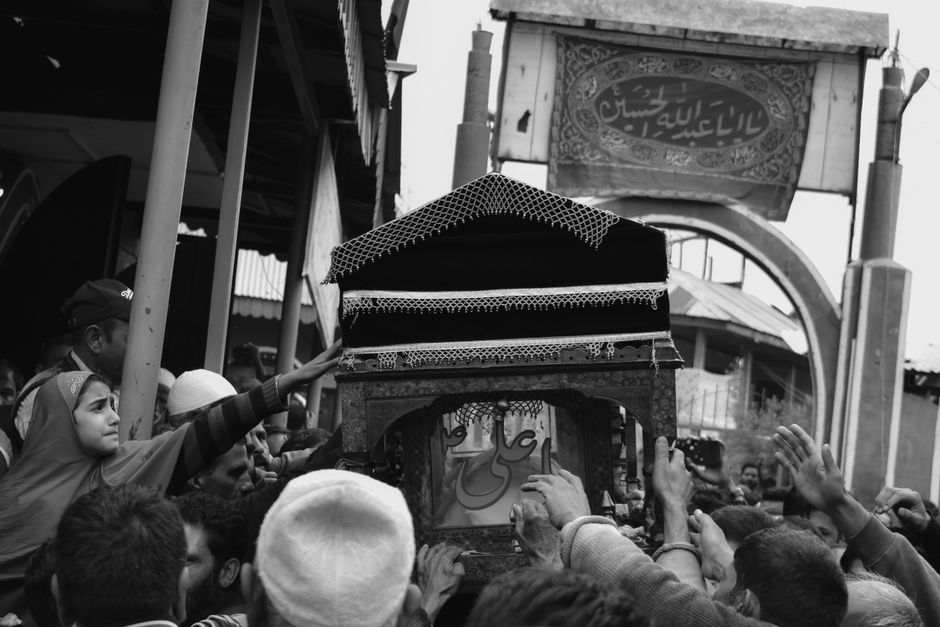
- Thousands of Iranians defied extreme heat to attend the funeral of Supreme Leader Ali Khamenei, showcasing their devotion and resilience.
- The funeral marks a pivotal moment in Iranian history, as the country transitions to a new era of leadership under Khamenei’s successor.
- Khamenei’s tenure was marked by domestic and international challenges, including economic sanctions, human rights issues, and regional conflicts.
- The sheer number of attendees underscores the complex and often contradictory feelings many Iranians have towards Khamenei and the political system he embodied.
- The funeral has become a platform for Iranians to express their sentiments towards Khamenei’s legacy and contemplate the future of Iran.
What drives thousands of Iranians to defy a severe heatwave and gather for the funeral of Supreme Leader Ali Khamenei? On the second day of funeral processions, masses of Iranians took to the streets, braving extreme temperatures to pay their respects to the late leader. This display of devotion and resilience raises questions about the significance of Khamenei’s legacy and the future of Iran under new leadership. As the country navigates this critical moment, understanding the motivations behind this collective action is crucial for grasping the broader implications.
Understanding the Significance of Khamenei’s Funeral

The funeral of Ali Khamenei marks a pivotal moment in Iranian history, as the country transitions to a new era of leadership. Khamenei’s tenure as Supreme Leader was marked by both domestic and international challenges, including economic sanctions, human rights issues, and regional conflicts. His funeral has become a platform for Iranians to express their sentiments towards his legacy, with many seeing it as an opportunity to reflect on the past and contemplate the future. The sheer number of attendees, despite the harsh weather conditions, underscores the complex and often contradictory feelings many Iranians have towards Khamenei and the political system he embodied.
Evidence of Nationwide Mourning

Reports from various cities across Iran indicate a widespread participation in the funeral processions, with Al Jazeera and other news outlets documenting the events. The images of crowds, dressed in black, mourning the loss of their leader, provide a visual testament to the depth of feeling among the Iranian population. Quotes from attendees, expressing their admiration for Khamenei’s commitment to the Islamic Republic and its values, further illustrate the emotional and ideological investment many have in his legacy. However, it is also important to consider the role of state media and government encouragement in mobilizing these gatherings, as this can influence the narrative and perception of public sentiment.
Counter-Perspectives and Criticisms

Not all Iranians share the same sentiment towards Khamenei’s legacy, with many critics highlighting human rights abuses, economic mismanagement, and international isolation during his tenure. Skeptics argue that the large turnout for the funeral could be attributed to a combination of genuine grief, state-orchestrated mobilization, and the desire to be seen as loyal in a tightly controlled political environment. Furthermore, there are concerns about the future of political and social freedoms in Iran, as the transition in leadership may either usher in a period of reform or reinforce existing power structures. These counter-perspectives are essential for understanding the nuanced and often divided opinions within Iranian society.
Real-World Impact of Khamenei’s Passing

The real-world impact of Khamenei’s passing is already being felt, both domestically and internationally. Within Iran, the transition period is likely to be marked by political maneuvering, as different factions vie for influence and power. Internationally, the change in leadership could potentially alter Iran’s stance on key issues, including its nuclear program and regional conflicts. Concrete examples of this impact can be seen in the immediate responses from neighboring countries and global powers, who are watching the situation closely for signs of change or continuity in Iranian policy. The implications of these developments will be far-reaching, affecting not only Iran but also the broader Middle East and global geopolitical landscape.
What This Means For You
The death of Ali Khamenei and the subsequent funeral processions serve as a reminder of the complex and dynamic nature of Iranian society and politics. For readers, understanding this event is crucial for grasping the potential shifts in the Middle East and their global implications. As Iran moves forward under new leadership, it is essential to stay informed about developments and consider the various perspectives on Khamenei’s legacy and its impact on the country’s future.
As the world watches Iran transition into a new era, a critical question emerges: What changes can we expect in Iranian domestic and foreign policy, and how will these shifts affect regional and global stability? This inquiry invites further exploration and analysis, as the answers will depend on a multitude of factors, including the new leadership’s priorities, the response of the international community, and the evolving needs and aspirations of the Iranian people.
Source: Al Jazeera