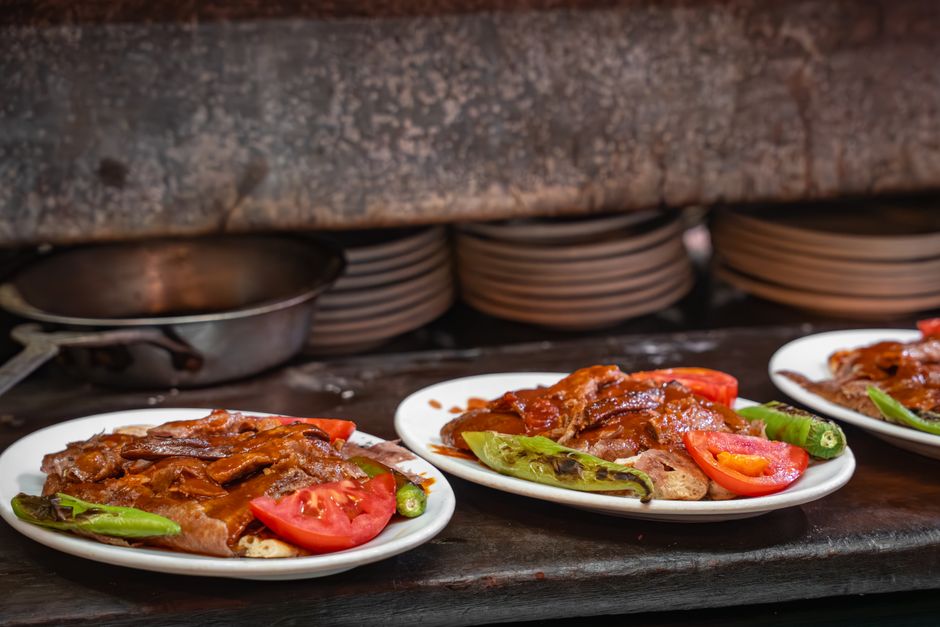
- Millions of people may have unknowingly eaten goat, skin, and fat in their lamb kebabs.
- Tests revealed that many lamb kebabs in the UK contain less than 10% actual lamb.
- The use of mislabeled or contaminated meat can have serious implications for public health.
- The practice of substituting lamb with other meats is not uncommon in the food industry.
- Food authenticity and transparency are crucial for consumer safety and trust.
What’s really in your lamb kebab? For millions of people, the answer might be unsettling: goat, skin, and fat. A recent investigation has revealed that many “lamb” kebabs sold in the UK contain a significant amount of other meats, sparking concerns about food authenticity and transparency in the industry. The scandal raises important questions about the integrity of the food supply chain and why consumers should care about what they’re putting in their bodies.
Uncovering the Truth Behind Lamb Kebabs

The issue came to light after tests were conducted on a sample of lamb kebabs from various suppliers. The results showed that many of these products contained a significant amount of goat meat, as well as skin and fat. In some cases, the amount of actual lamb was less than 10%, prompting concerns that consumers are being misled about the contents of their food. The use of mislabeled or contaminated meat can have serious implications for public health, particularly for individuals with specific dietary requirements or restrictions.
Evidence of Deception in the Food Industry

According to reports from the BBC, the practice of substituting lamb with other meats is not uncommon in the food industry. Some suppliers may use cheaper alternatives to increase profit margins, while others may be unaware of the true contents of their products. The lack of transparency and accountability in the supply chain makes it difficult for consumers to make informed choices about their food. As one expert noted, “the complexity of the food supply chain can make it challenging to track the origin and contents of meat products, but that’s no excuse for deceiving consumers.”
Counter-Perspectives and Skeptics

While some argue that the use of alternative meats in kebabs is not a significant issue, others point out that the problem goes beyond just lamb kebabs. The lack of transparency in the food industry can have far-reaching consequences, including the potential for foodborne illnesses and the erosion of trust in the system. Skeptics also argue that the focus on lamb kebabs is misplaced, and that the real issue is the lack of regulation and oversight in the industry. As one skeptic noted, “the problem is not just about lamb kebabs, but about the entire food system and the need for greater accountability and transparency.”
Real-World Impact of the Scandal

The consequences of the lamb kebab scandal are already being felt, with many consumers expressing outrage and disappointment on social media. The incident has also sparked calls for greater regulation and oversight in the food industry, with some advocates pushing for stricter labeling requirements and tougher penalties for suppliers who engage in deceptive practices. As the scandal continues to unfold, it’s likely that we’ll see a significant shift in the way the food industry operates, with a greater emphasis on transparency and accountability. For consumers, the incident serves as a reminder to be vigilant about the food they eat and to demand greater transparency from suppliers.
What This Means For You
So what can you do to avoid unknowingly eating goat, skin, and fat kebabs? The answer is to be more mindful of the food you eat and to demand greater transparency from suppliers. Look for products that have clear labeling and ingredient lists, and consider choosing suppliers that prioritize transparency and accountability. By taking these steps, you can help create a more transparent and accountable food system that prioritizes consumer health and well-being.
As the lamb kebab scandal continues to unfold, one question remains: what’s next for the food industry? Will we see a significant shift towards greater transparency and accountability, or will the status quo prevail? Only time will tell, but one thing is certain: consumers deserve to know what they’re putting in their bodies, and it’s up to the food industry to deliver.
Source: BBC