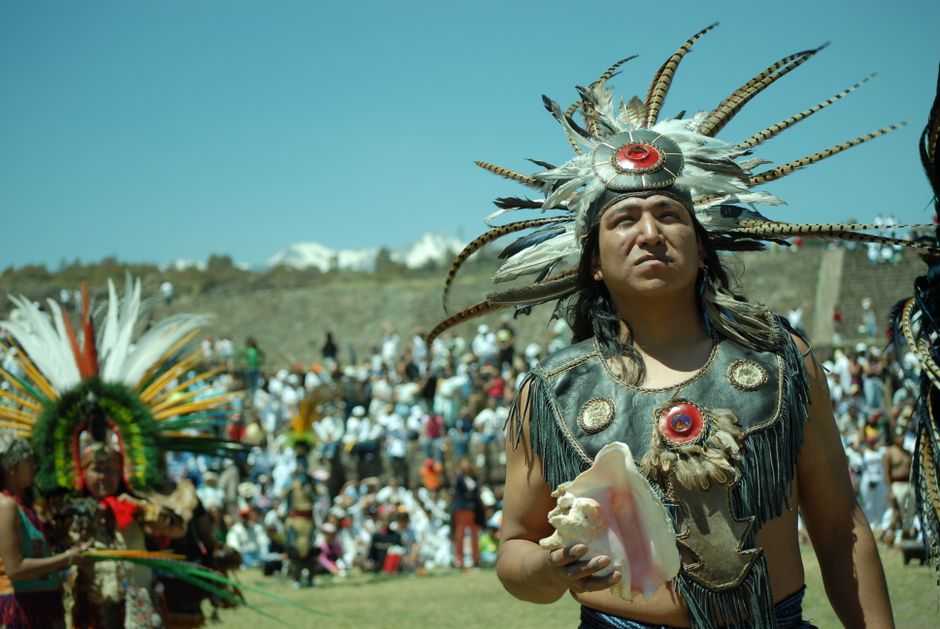
- Native American communities are resisting ICE’s presence, citing threats to their sovereignty and way of life.
- The resistance movement is gaining momentum, with many Native Americans channeling generational resistance into a fight for justice.
- The fight is not just about immigration, but about historical injustices faced by Native American communities and their right to self-determination.
- Resistance efforts include protests, awareness campaigns, and social media mobilization, gaining support from other social justice groups.
- Despite challenges, the community remains determined to protect their lands and way of life, led by a Native American lawyer.
Native American communities are resisting the presence of US Immigration and Customs Enforcement (ICE) in their lands, with a Native American lawyer at the forefront of the fight. The lawyer, who has channelled generational resistance into a fight for justice, is confronting ICE in a bid to protect the rights of his community. The resistance movement is gaining momentum, with many Native Americans seeing ICE’s presence as a threat to their sovereignty and way of life. The fight is not just about immigration, but about the historical injustices faced by Native American communities and their right to self-determination.
Current Resistance Efforts

The current situation is marked by increased tensions between Native American communities and ICE. The lawyer, along with other community leaders, is organizing resistance efforts, including protests and awareness campaigns. The movement is also gaining support from other social justice groups, who see the struggle of Native American communities as part of a broader fight for human rights. Key facts about the resistance include the use of social media to mobilize support, the organization of community meetings to discuss strategies, and the involvement of tribal leaders in negotiations with ICE. Despite the challenges, the community remains determined to protect their lands and their way of life.
Historical Context of Resistance

The story behind the resistance movement is one of historical trauma and injustice. Native American communities have faced centuries of colonization, forced assimilation, and violence, leading to the loss of land, culture, and identity. The presence of ICE in their lands is seen as a continuation of this historical trauma, with many community members viewing it as an attack on their sovereignty. The lawyer’s fight for justice is rooted in this historical context, with a deep understanding of the struggles faced by his community. The resistance movement is also informed by the experiences of other marginalized communities, who have fought against similar injustices and human rights violations.
Key Players in the Resistance

The people shaping the resistance movement are diverse and motivated by a desire for justice. The Native American lawyer is a key player, using his knowledge of the law to challenge ICE’s presence and protect the rights of his community. Other community leaders, including tribal elders and social justice activists, are also playing a crucial role in organizing the resistance. Their motivations are rooted in a desire to protect their lands, their culture, and their way of life. The community is also being supported by external allies, including human rights organizations and social justice groups, who are providing resources and expertise to aid the resistance.
Consequences of the Resistance

The consequences of the resistance movement are far-reaching and complex. For Native American communities, the presence of ICE poses a significant threat to their sovereignty and way of life. The resistance movement is fighting to protect their rights, including their right to self-determination and their right to control their own lands. The movement is also having a broader impact, highlighting the need for a more nuanced and just immigration policy that takes into account the historical injustices faced by Native American communities. As the resistance continues, it is likely to have significant implications for the US government’s relationship with Native American communities, and for the broader social justice movement.
The Bigger Picture
The resistance movement is part of a broader struggle for justice and human rights. The fight against ICE’s presence in Native American lands is connected to other social justice movements, including the fight against racism, sexism, and homophobia. The movement is also informed by a deep understanding of the historical injustices faced by marginalized communities, and a commitment to creating a more just and equitable society. As the resistance continues, it is likely to have a significant impact on the broader social justice movement, highlighting the need for a more nuanced and just approach to immigration policy and human rights.
The fight for justice is ongoing, and the outcome is far from certain. However, one thing is clear: the resistance movement is not going away. As the community continues to organize and mobilize, it is likely that the movement will have a significant impact on the US government’s relationship with Native American communities, and on the broader social justice movement. For more information on the resistance movement, visit Al Jazeera or Amnesty International. The community is calling for support and solidarity, and it is up to us to listen and act.
Source: Al Jazeera