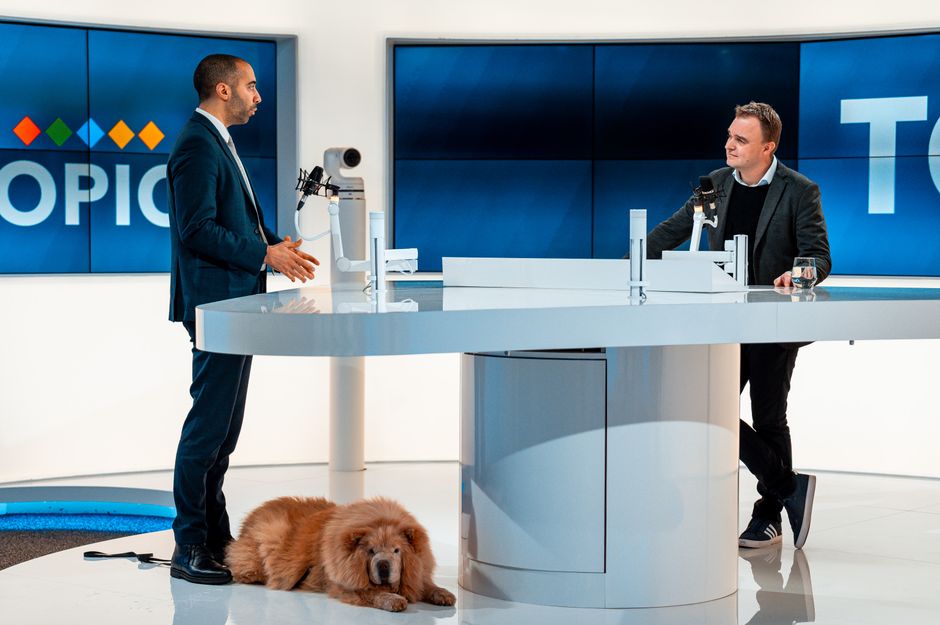
- YouTube is investing in late-night TV with an online-only show hosted by Julian Shapiro-Barnum.
- The platform aims to attract a new audience and challenge traditional television’s dominance.
- YouTube’s user base has been growing steadily, with over 2 billion monthly active users.
- The average YouTube user spends around 20 minutes per day on the site, providing opportunities for advertisers and creators.
- Julian Shapiro-Barnum’s show combines humor and social commentary to capitalize on YouTube’s growing trend.
Julian Shapiro-Barnum, the mastermind behind the popular social media series “Recess Therapy,” has embarked on a new venture: an online-only late-night show on YouTube. This move marks a significant shift in the platform’s strategy, as it attempts to capture a larger share of the lucrative late-night TV market. With Shapiro-Barnum’s show, YouTube is betting on the appeal of online-exclusive content to attract a new audience and challenge traditional television’s dominance.
The Data Behind YouTube’s Decision

A closer examination of the numbers reveals that YouTube’s decision to invest in late-night TV is not without merit. According to recent statistics, the platform’s user base has been growing steadily, with over 2 billion monthly active users. Moreover, the average YouTube user spends approximately 20 minutes per day on the site, providing a substantial window of opportunity for advertisers and content creators alike. Shapiro-Barnum’s show, with its unique blend of humor and social commentary, is well-positioned to capitalize on this trend, as evident from the New York Times’ report on the show’s early success.
The Key Players in YouTube’s Late-Night Push

Julian Shapiro-Barnum is not the only player in YouTube’s late-night TV strategy. The platform has been actively courting other popular creators and producers, offering them lucrative deals to produce exclusive content. This approach has already yielded positive results, with several high-profile shows and series being announced in recent months. Shapiro-Barnum’s show, in particular, has garnered significant attention, thanks to his existing fan base and reputation for innovative storytelling. As YouTube continues to expand its late-night offerings, it will be interesting to see how other creators respond to the opportunity and how the platform’s strategy evolves in response to their feedback.
The Trade-Offs of Online-Only Late-Night TV

While YouTube’s online-only late-night TV strategy offers several advantages, including increased flexibility and lower production costs, it also presents some challenges. One of the primary concerns is the potential loss of revenue from traditional advertising models, which often rely on large, broadcast-style audiences. Additionally, the online-only format may struggle to replicate the same level of engagement and watercooler moments that traditional late-night TV is known for. However, Shapiro-Barnum’s show, with its interactive elements and social media integration, may be well-suited to mitigate these risks and create a new type of engagement that is unique to the online platform.
The Timing of YouTube’s Late-Night Push

So, why is YouTube pushing into late-night TV now? The answer lies in the shifting media landscape, where traditional television’s dominance is being eroded by online streaming services and social media platforms. As more and more viewers turn to online platforms for their entertainment needs, YouTube sees an opportunity to capture a larger share of the market and establish itself as a major player in the late-night TV space. With Shapiro-Barnum’s show, the platform is testing the waters, so to speak, and gauging audience response to online-only late-night content. If successful, this strategy could pave the way for further investment in original programming and cement YouTube’s position as a leading destination for online entertainment.
Where We Go From Here
Looking ahead to the next 6-12 months, there are several possible scenarios for YouTube’s late-night TV strategy. One possibility is that the platform will continue to invest in original programming, attracting more high-profile creators and producers to its roster. Another scenario is that YouTube will focus on refining its existing offerings, fine-tuning its algorithm to better recommend content to users and improving the overall viewing experience. A third possibility is that the platform will face increased competition from other online streaming services, such as Netflix or Amazon Prime, which may also be exploring late-night TV options. Regardless of the outcome, one thing is clear: YouTube’s bet on late-night TV is a significant one, and its success or failure will have far-reaching implications for the media industry as a whole.
In conclusion, YouTube’s decision to launch an online-only late-night show with Julian Shapiro-Barnum is a bold move that reflects the platform’s growing ambitions in the entertainment space. As the media landscape continues to evolve, it will be fascinating to see how this strategy plays out and what it means for the future of late-night TV.
Source: The New York Times