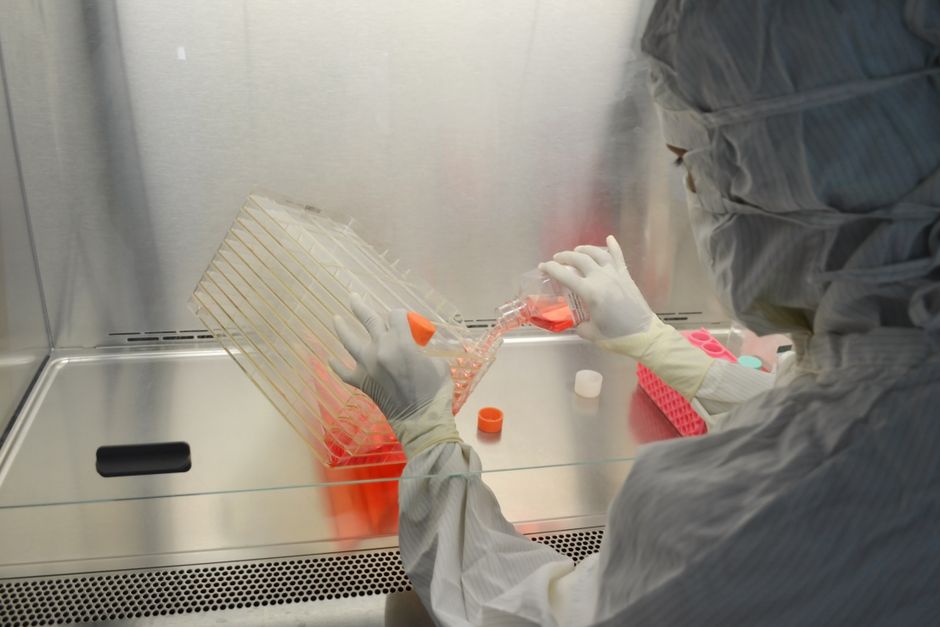
- Gene therapy has successfully cured a Louisiana man’s sickle cell disease, offering new hope to patients.
- The treatment involves modifying genes to produce healthy red blood cells, which has shown promise in clinical trials.
- Gene therapy has significant implications for the thousands of people living with sickle cell disease worldwide.
- Studies have consistently shown that gene therapy can be an effective treatment for sickle cell disease.
- This breakthrough marks a milestone in the fight against sickle cell disease and highlights the potential of gene therapy.
A Louisiana man has become the first person in the Gulf South to be functionally cured of sickle cell disease, a genetic disorder that affects the production of red blood cells. This breakthrough, made possible by gene therapy, brings new hope to patients suffering from this debilitating condition. The successful treatment of Daniel Cressy, the Louisiana man, marks a significant milestone in the fight against sickle cell disease and underscores the potential of gene therapy to transform the lives of patients.
Understanding the Breakthrough

The gene therapy used to treat Cressy’s sickle cell disease involves modifying the patient’s genes to produce healthy red blood cells. This approach has shown promise in clinical trials, and Cressy’s case is a testament to its efficacy. By introducing a healthy copy of the gene responsible for producing hemoglobin, the protein that carries oxygen in red blood cells, doctors can effectively cure the disease. This breakthrough has significant implications for the thousands of people living with sickle cell disease in the United States and around the world.
Evidence Supporting the Treatment

Studies have consistently shown that gene therapy can be an effective treatment for sickle cell disease. According to the Centers for Disease Control and Prevention, gene therapy has the potential to reduce the frequency and severity of sickle cell crises, which are a major cause of morbidity and mortality in patients. Additionally, research published in the New England Journal of Medicine has demonstrated the safety and efficacy of gene therapy in patients with sickle cell disease.
Counter-Perspectives and Challenges

While the breakthrough in Cressy’s treatment is undoubtedly significant, there are still challenges and counter-perspectives to consider. Some experts have raised concerns about the high cost of gene therapy, which could limit access to the treatment for many patients. Others have noted that gene therapy is not a cure-all and that more research is needed to fully understand its potential and limitations. Furthermore, the long-term effects of gene therapy on patients with sickle cell disease are not yet fully understood, and ongoing monitoring and research are necessary to ensure the safety and efficacy of the treatment.
Real-World Impact

The functional cure of Daniel Cressy has significant real-world implications for patients with sickle cell disease. For Cressy, the treatment has meant an end to the debilitating symptoms and frequent hospitalizations that characterized his life with the disease. More broadly, the breakthrough has the potential to improve the quality of life for thousands of patients and to reduce the economic burden of the disease on families and healthcare systems. As gene therapy becomes more widely available, it is likely to have a major impact on public health, particularly in communities disproportionately affected by sickle cell disease.
What This Means For You
The successful treatment of Daniel Cressy is a powerful reminder of the potential of medical research to transform lives. For patients with sickle cell disease, the breakthrough offers new hope and a potential cure. For the broader public, it underscores the importance of continued investment in medical research and the need for increased awareness and understanding of genetic diseases like sickle cell disease.
As researchers continue to explore the potential of gene therapy, it is essential to consider the ethical and social implications of this technology. How will gene therapy be made accessible to all patients who need it, regardless of their background or financial resources? What are the potential risks and limitations of the treatment, and how can they be mitigated? These are just a few of the questions that will need to be addressed as gene therapy becomes more widely available.
Source: Healthline