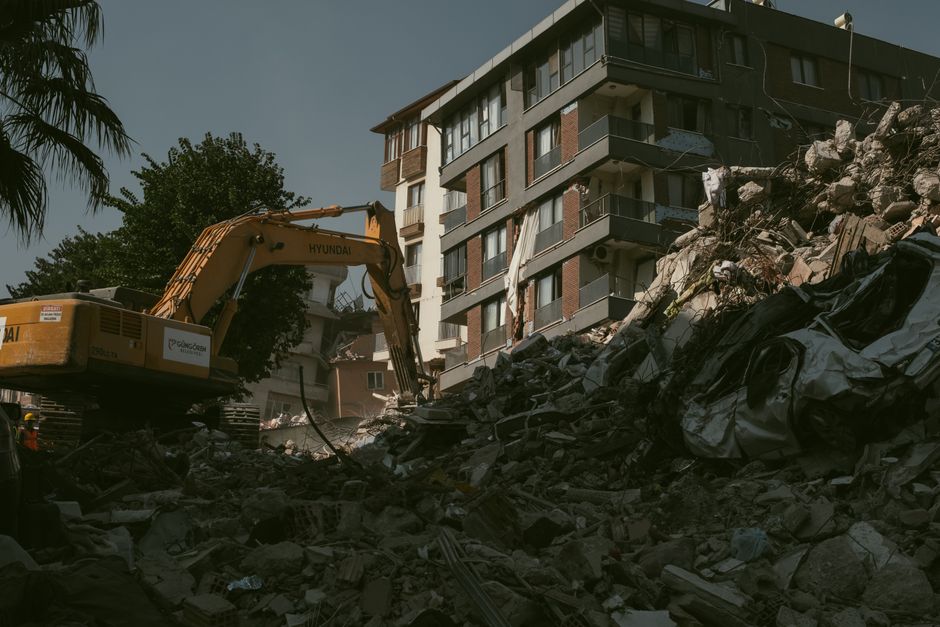
- US deportations to Venezuela resumed on the day of the earthquake, putting hundreds of lives at risk.
- Many deported Venezuelans were sent to severely affected areas without adequate shelter, exacerbating the crisis.
- The exact number of deaths among deportees is still unknown, but it’s feared to be in the dozens.
- The US government has faced criticism for not delaying or cancelling deportations in light of the impending disaster.
- The Venezuelan government has been slow to provide aid and assistance to deported Venezuelans in need.
The devastating earthquakes that struck Venezuela have claimed the lives of many Venezuelans who were deported from the United States, with fears that the death toll may continue to rise. On the day the earthquake struck, 146 Venezuelans were deported from the US, and many of them are now feared dead. The tragic events have raised questions about the timing and circumstances of the deportations, and why the US government did not delay them in light of the impending disaster.
Evidence of the Disaster

According to reports from the New York Times, many of the deportees were sent to areas that were severely affected by the earthquakes, and some were even forced to sleep on the streets due to a lack of available shelter. The Venezuelan government has confirmed that many of the deportees are missing or have been found dead, with some bodies still unaccounted for. The exact number of deaths is still unknown, but it is feared that it may be in the dozens.
Key Players and Their Roles

The US government has faced criticism for its handling of the deportations, with many arguing that they should have been delayed or cancelled in light of the impending disaster. The Venezuelan government has also been criticized for its response to the crisis, with some arguing that it has been slow to provide aid and assistance to those affected. The United Nations High Commissioner for Refugees has called for greater cooperation and coordination between governments to prevent such tragedies in the future.
Trade-Offs and Consequences

The deportations have highlighted the risks and consequences of forced migration, particularly in the context of natural disasters. The decision to deport individuals to a country that is vulnerable to earthquakes and other disasters has raised questions about the balance between national security and humanitarian concerns. The US government has argued that the deportations were necessary to maintain national security and enforce immigration laws, but critics argue that this approach is too narrow and fails to consider the human cost of such policies.
Timing and Context

The earthquakes struck Venezuela at a time when the country was already facing significant economic and humanitarian challenges. The deportations have added to the strain on the country’s resources and infrastructure, and have raised concerns about the ability of the government to respond to the crisis. The international community has been slow to respond to the crisis, and there are fears that the situation may deteriorate further in the coming weeks and months.
Where We Go From Here
Looking ahead, there are several possible scenarios for how the situation may unfold in the next 6-12 months. One possible scenario is that the international community will come together to provide significant aid and assistance to Venezuela, which could help to alleviate the humanitarian crisis and support the country’s recovery efforts. Another possible scenario is that the crisis will continue to deteriorate, with the Venezuelan government struggling to respond to the disaster and the US government facing ongoing criticism for its handling of the deportations. A third possible scenario is that the crisis will lead to a re-evaluation of US immigration policies and a greater focus on humanitarian concerns, which could have significant implications for the treatment of migrants and deportees in the future.
In conclusion, the devastating earthquakes in Venezuela have highlighted the need for a more nuanced and humanitarian approach to migration and deportation policies. The US government and the international community must work together to prevent such tragedies in the future and to support the recovery efforts in Venezuela. Ultimately, the situation in Venezuela serves as a stark reminder of the human cost of forced migration and the need for greater cooperation and coordination between governments to protect the rights and dignity of all individuals.
Source: The New York Times