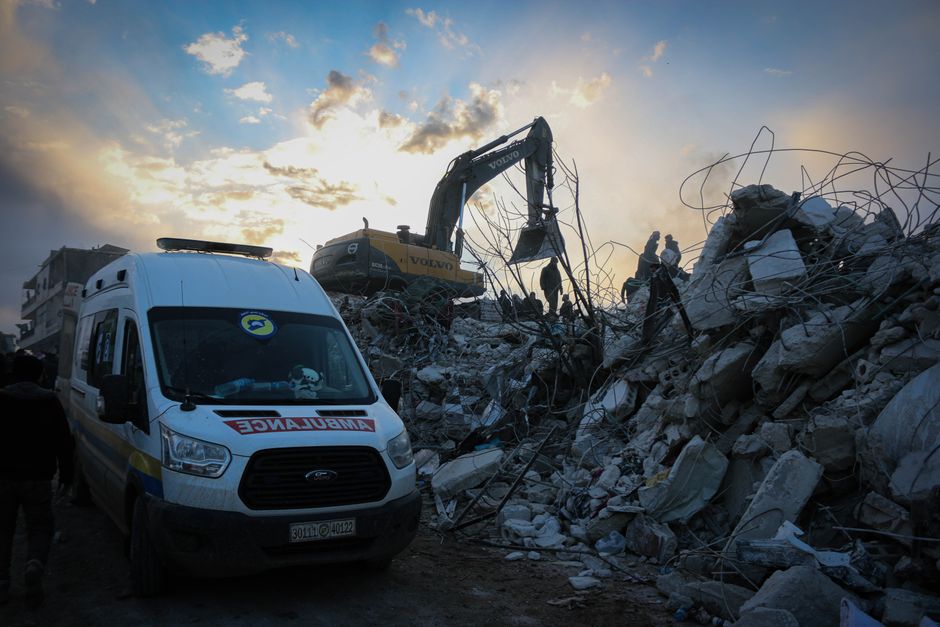
- Hundreds of Palestinians have died in Gaza while waiting for medical evacuation due to agonizing delays.
- The Gaza healthcare system struggles to cope with demand for treatment abroad due to Israeli restrictions.
- Strict Israeli-Egyptian blockade since 2007 has limited medical supplies and equipment availability.
- Coordination between Israeli, Egyptian, and Palestinian authorities leads to lengthy evacuation delays.
- Years of conflict and blockade have exacerbated the crisis in Gaza’s healthcare system.
The Gaza Strip’s healthcare system is facing an unprecedented crisis, with hundreds of patients dying while waiting for medical evacuation. According to Gaza’s Hamas-run health ministry, an estimated 300 Palestinians referred for treatment abroad have died since the ceasefire began. The situation is exacerbated by agonizing delays in the evacuation process, with many patients waiting for weeks or even months to receive the medical attention they desperately need.
Current Evacuation Efforts

The current situation in Gaza is dire, with the healthcare system struggling to cope with the demand for medical treatment abroad. The Israeli government has imposed strict restrictions on the movement of people and goods in and out of the Gaza Strip, making it extremely difficult for patients to receive the medical attention they need. The evacuation process is further complicated by the need for coordination between Israeli, Egyptian, and Palestinian authorities, resulting in lengthy delays that are costing lives.
Historical Context

The crisis in Gaza’s healthcare system is not a new phenomenon, but rather the result of years of blockade and conflict. The Israeli-Egyptian blockade of the Gaza Strip, which has been in place since 2007, has severely limited the availability of medical supplies and equipment, making it difficult for hospitals to provide even basic care. The situation has been further exacerbated by repeated conflicts, which have damaged or destroyed medical facilities and disrupted the supply of essential services.
Key Players

The evacuation of Gaza patients is a complex process that involves multiple stakeholders, including the Israeli government, the Palestinian Authority, and international organizations such as the World Health Organization. The Israeli government has a significant role to play in facilitating the evacuation process, but its strict security protocols and restrictions on movement have been criticized for exacerbating the crisis. The Palestinian Authority, meanwhile, is working to coordinate the evacuation efforts, but its resources are limited, and it is heavily reliant on international aid.
Consequences

The consequences of the delays in medical evacuation are devastating, with hundreds of patients dying while waiting for treatment. The situation is particularly dire for those in need of specialized care, such as cancer patients or those requiring organ transplants. The emotional toll on families is also significant, with many forced to wait anxiously for news of their loved ones, only to receive the devastating news that they have died while waiting for treatment.
The Bigger Picture
The crisis in Gaza’s healthcare system is a symptom of a broader humanitarian crisis that requires urgent attention from the international community. The situation in Gaza is a stark reminder of the need for a lasting and comprehensive peace agreement that addresses the underlying causes of the conflict and provides for the basic human rights of all parties involved. As the international community works to address the crisis, it is essential that the needs of Gaza’s patients are not forgotten, and that urgent action is taken to facilitate their evacuation and provide them with the medical attention they so desperately need.
In the coming weeks and months, it will be essential to monitor the situation in Gaza closely, and to push for greater accountability and action from all parties involved. The international community must work together to address the humanitarian crisis in Gaza, and to ensure that the basic human rights of all parties are respected and protected. As reported by the BBC, the situation in Gaza is a complex and multifaceted one, requiring a comprehensive and sustained response from the international community.
Source: BBC