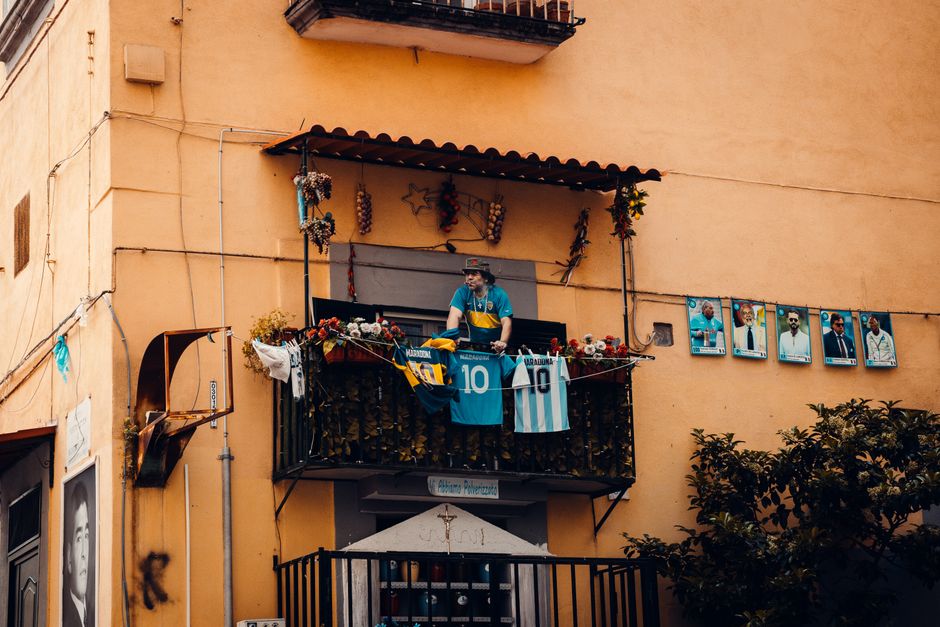
- Bangladesh’s affinity for Argentine footballers stems from the country’s cultural and social connections with Argentina.
- Diego Maradona’s charisma and rags-to-riches story resonated with Bangladeshi fans, who saw a reflection of their own struggles and aspirations.
- Lionel Messi’s exceptional skills and on-field brilliance have further solidified Argentina’s hold on the hearts of Bangladeshi fans.
- The beautiful game has transcended geographical boundaries, creating a sense of community among fans worldwide, including in Bangladesh.
- Argentina’s footballers, particularly Maradona and Messi, have become cultural ambassadors for their country, bridging gaps between nations.
Bangladesh, a country over 17,000 kilometers away from Argentina, has a surprisingly strong affinity for Argentine footballers, particularly the legendary Diego Maradona and the contemporary sensation Lionel Messi. This unlikely fandom has been a longstanding phenomenon, with Maradona’s charisma and Messi’s brilliance captivating the hearts of Bangladeshi fans. As the beautiful game continues to transcend geographical boundaries, it’s essential to explore the reasons behind this enduring love affair and what it signifies for the sport and its enthusiasts.
Unpacking the Maradona Factor

Diego Maradona’s impact on Bangladeshi football fans cannot be overstated. His exceptional skills on the field, combined with his charismatic personality, made him an instant hero in the eyes of many. Maradona’s ability to connect with people from diverse backgrounds and his unwavering passion for the sport helped create a sense of community among fans worldwide, including in Bangladesh. The Argentine legend’s influence extended beyond the pitch, as his rags-to-riches story and unapologetic attitude resonated deeply with the Bangladeshi people, who saw in him a reflection of their own struggles and aspirations.
The Messi Effect and Supporting Evidence

Lionel Messi, widely regarded as one of the greatest footballers of all time, has further solidified Argentina’s hold on the hearts of Bangladeshi fans. With his mesmerizing dribbling skills, exceptional goal-scoring record, and dedication to the sport, Messi has inspired a new generation of fans in Bangladesh. According to a report by Al Jazeera, the love for Argentine footballers in Bangladesh is not limited to the sport itself but also extends to the country’s culture and people. This phenomenon is a testament to the power of sports to bridge cultural and geographical divides, as noted by the BBC’s coverage of football in Bangladesh.
Counter-Perspectives and Criticisms

While the love for Argentine footballers is widespread in Bangladesh, there are also those who question the fervor surrounding these foreign sports heroes. Some critics argue that the admiration for Maradona and Messi has led to a neglect of local football talent and the sport’s development in Bangladesh. Others point out that the focus on international football stars detracts from more pressing issues in the country, such as economic development and social inequality. These counter-perspectives highlight the complexities surrounding the phenomenon and the need for a nuanced understanding of its implications.
Real-World Impact and Concrete Examples

The impact of Argentina’s footballers on Bangladesh is not limited to the emotional realm; it also has tangible consequences. For instance, the popularity of Maradona and Messi has led to an increase in football-related businesses, such as sports equipment stores and football academies, in Bangladesh. Furthermore, the shared passion for Argentine football has created a sense of community among fans, with many gathering to watch matches and discuss the sport. This communal aspect of fandom has helped to foster social bonds and a sense of belonging among Bangladeshi fans, as observed in reports by The Guardian.
What This Means For You
As a reader, understanding the phenomenon of Bangladesh’s love for Argentina’s footballers offers insights into the universal language of sports and its ability to transcend cultural and geographical boundaries. This story highlights the power of shared passions to create communities and foster social connections, even in the most unexpected contexts. By exploring this unique aspect of Bangladeshi culture, we can gain a deeper appreciation for the complexities of global fandom and the enduring appeal of football as a unifying force.
As we continue to explore the intricacies of this phenomenon, an open question remains: what role will the next generation of Argentine footballers play in sustaining this love affair, and how will the sport continue to evolve in Bangladesh? The answers to these questions will not only shed light on the future of football in Bangladesh but also provide a glimpse into the broader dynamics of global sports fandom and its potential to bridge cultural divides.
Source: Al Jazeera