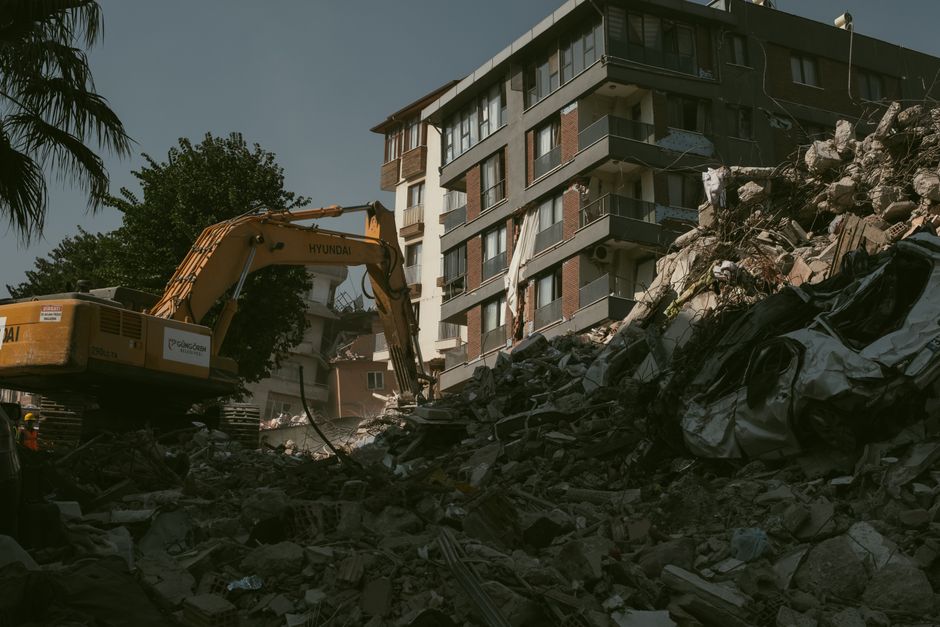
- Venezuela’s death toll from twin earthquakes has surpassed 1,900, with tens of thousands still unaccounted for.
- Rescue efforts continue to face challenges in accessing affected areas due to widespread destruction and rubble.
- The Venezuelan government has declared a state of emergency, mobilizing military personnel and emergency services.
- The humanitarian crisis is exacerbated by a lack of basic necessities like food, water, and shelter.
- International aid and assistance are being offered to help Venezuela cope with the disaster.
Venezuela is grappling with the aftermath of twin earthquakes that struck the country one week ago, resulting in a confirmed death toll of over 1,900 people, with tens of thousands still missing. The devastating earthquakes have left widespread destruction, rubble, and debris in their wake, as rescue efforts continue to locate survivors. The disaster has sparked an outpouring of support from the international community, with many countries offering aid and assistance to help Venezuela cope with the crisis.
Current State of Affairs

The situation on the ground remains dire, with many areas still inaccessible due to the extent of the damage. Rescue teams are working tirelessly to reach trapped survivors, but the task is daunting, and hopes of finding more people alive are dwindling. The Venezuelan government has declared a state of emergency, mobilizing military personnel and emergency services to support the relief efforts. Despite these efforts, many affected communities are still waiting for aid to arrive, and the lack of basic necessities like food, water, and shelter is exacerbating the humanitarian crisis.
Historical Context

Venezuela is no stranger to natural disasters, having experienced several significant earthquakes in recent years. However, the country’s economic crisis and lack of investment in infrastructure have left it woefully unprepared to deal with disasters of this magnitude. The collapse of Venezuela’s oil industry, which was once the mainstay of the economy, has led to a severe shortage of resources, making it difficult for the government to respond effectively to the crisis. The international community has been critical of the Venezuelan government’s handling of the crisis, citing a lack of transparency and accountability in the distribution of aid.
Key Players

The Venezuelan government, led by President Nicolas Maduro, is facing intense scrutiny over its response to the crisis. The opposition, led by Juan Guaido, has been vocal in its criticism of the government’s handling of the disaster, accusing it of incompetence and corruption. International organizations, such as the United Nations, are also playing a crucial role in coordinating the relief efforts and providing aid to affected communities. The Venezuelan people, who have been suffering under the country’s economic crisis for years, are now facing an unprecedented humanitarian crisis, and their resilience and determination are being tested like never before.
Consequences and Implications

The consequences of the earthquakes are far-reaching, with the death toll and number of missing persons expected to rise in the coming days. The economic impact of the disaster will also be significant, with estimates suggesting that the cost of rebuilding and recovery could run into billions of dollars. The humanitarian crisis is also having a profound impact on the social fabric of Venezuelan society, with many communities torn apart by the disaster. As the country struggles to come to terms with the scale of the disaster, there are concerns about the potential for social unrest and instability in the weeks and months ahead.
The Bigger Picture
The earthquakes in Venezuela are a stark reminder of the importance of disaster preparedness and response. The international community has a critical role to play in supporting countries affected by natural disasters, and the response to the crisis in Venezuela will be closely watched by other nations. The disaster also highlights the need for greater investment in infrastructure and emergency services, particularly in countries that are vulnerable to natural disasters. As the world responds to the crisis in Venezuela, it is clear that a coordinated and sustained effort will be required to help the country recover and rebuild.
In the days and weeks ahead, the focus will shift from rescue to recovery, as Venezuela begins the long and difficult process of rebuilding and reconstruction. The international community will be watching closely, and the Venezuelan government will be under pressure to demonstrate its commitment to transparency and accountability in the distribution of aid. As the people of Venezuela come to terms with the scale of the disaster, they will be looking to their leaders for guidance and support, and the response to the crisis will have a profound impact on the country’s future.
Source: Al Jazeera