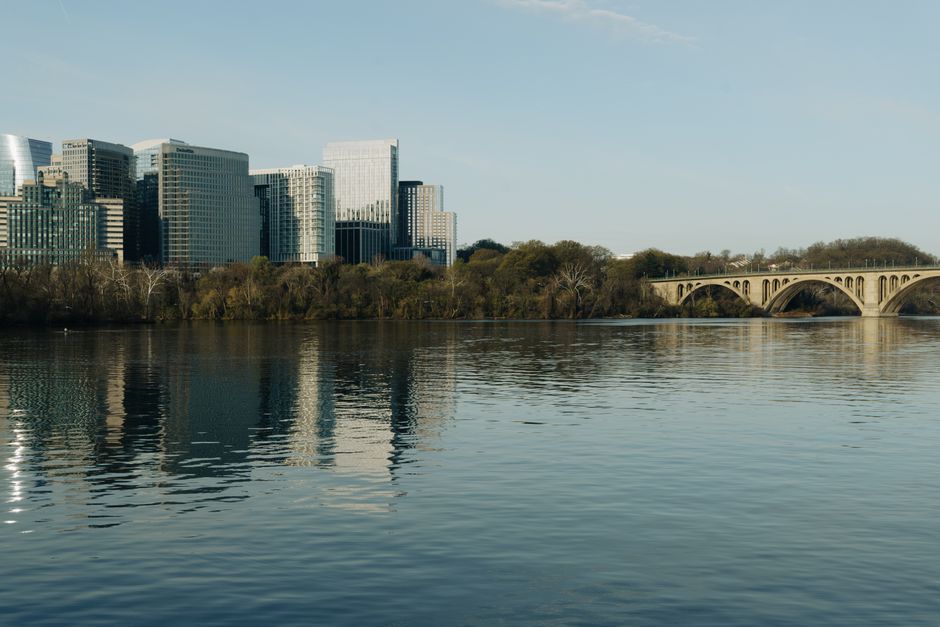
- US President Donald Trump has unveiled a $1 billion plan to revamp Washington DC, sparking controversy among critics.
- The renovation plans include the redevelopment of iconic landmarks and public spaces, raising concerns over the city’s historic character.
- Critics argue that the president is using his power to impose his mark on the capital, disregarding checks and balances.
- The long-term impact of the changes could alter the fabric of Washington DC, a city steeped in history and cultural significance.
- The plans have raised questions over the limits of presidential power and the role of checks and balances in the US political system.
US President Donald Trump has unveiled plans for a billion-dollar makeover of Washington DC, which he claims is a ‘gift’ to the nation. The renovations, however, have sparked controversy among critics who argue that the president is racing past checks to stamp his mark on the capital. The plans, which include the redevelopment of iconic landmarks and public spaces, have raised concerns over the use of presidential power and the potential impact on the city’s historic character.
Background and Significance

The renovation plans are significant not only because of their scale but also due to the potential long-term impact on the city’s landscape and identity. Washington DC is a city steeped in history, with many of its landmarks and public spaces holding great cultural and symbolic value. The plans to redevelop these areas have therefore sparked intense debate, with many arguing that the changes could alter the very fabric of the city. Furthermore, the fact that the president is pushing forward with these plans despite opposition has raised questions over the limits of presidential power and the role of checks and balances in the US political system.
Key Details and Stakeholders

The plans for the makeover include the redevelopment of several iconic landmarks, including the National Mall and the Lafayette Square. The renovations will also involve the construction of new public spaces and the improvement of existing infrastructure. While the president has argued that these changes are necessary to improve the city’s aesthetic appeal and functionality, critics have expressed concerns over the potential disruption to local businesses and residents. The plans have also been criticized for lacking transparency and public input, with many arguing that the president is bypassing traditional planning processes to push through his vision.
Analysis and Implications

An analysis of the plans and their potential impact reveals a complex web of factors at play. On one hand, the renovations could potentially boost tourism and local economic activity, creating new opportunities for businesses and residents. On the other hand, the changes could also lead to the displacement of long-time residents and small businesses, as well as the erosion of the city’s historic character. Furthermore, the fact that the president is using executive power to push through these plans has significant implications for the balance of power in the US political system. As noted by the New York Times, the use of executive power in this way could set a precedent for future presidents to bypass checks and balances.
Economic and Social Impacts

The economic and social impacts of the renovations will be far-reaching, affecting not only local residents and businesses but also the city’s reputation and identity. The changes could potentially lead to an increase in property values and rental costs, pricing out long-time residents and small businesses. Additionally, the disruption caused by the renovations could have a significant impact on local businesses, particularly those in the tourism and hospitality sectors. As the Reuters has reported, the renovations have already sparked concerns among local business owners, who fear that the changes could lead to a decline in customer traffic and revenue.
Expert Perspectives
Expert perspectives on the issue are divided, with some arguing that the renovations are necessary to improve the city’s infrastructure and aesthetic appeal. Others, however, have expressed concerns over the potential impact on the city’s historic character and the use of presidential power. According to urban planning experts, the renovations could potentially lead to a more sustainable and livable city, but only if they are carried out in a transparent and inclusive manner. As one expert noted, ‘the key to successful urban planning is community engagement and participation, not top-down decision-making.’
Looking ahead, it remains to be seen how the renovations will ultimately play out and what their long-term impact will be on the city. One thing is certain, however: the controversy surrounding the plans has sparked an important debate over the use of presidential power and the role of checks and balances in the US political system. As the city moves forward with the renovations, it will be important to watch how the plans are implemented and what steps are taken to mitigate their potential impacts. Will the president’s vision for the city come to fruition, or will the plans be derailed by opposition and controversy? Only time will tell.
Source: Financial Times