- Lyme disease cases have been increasing over the years, with over 30,000 cases reported annually in the US.
- The new Lyme disease vaccine has shown promising results in preventing the disease in clinical trials.
- Hunters and outdoor enthusiasts are at high risk of contracting Lyme disease due to their high exposure to ticks.
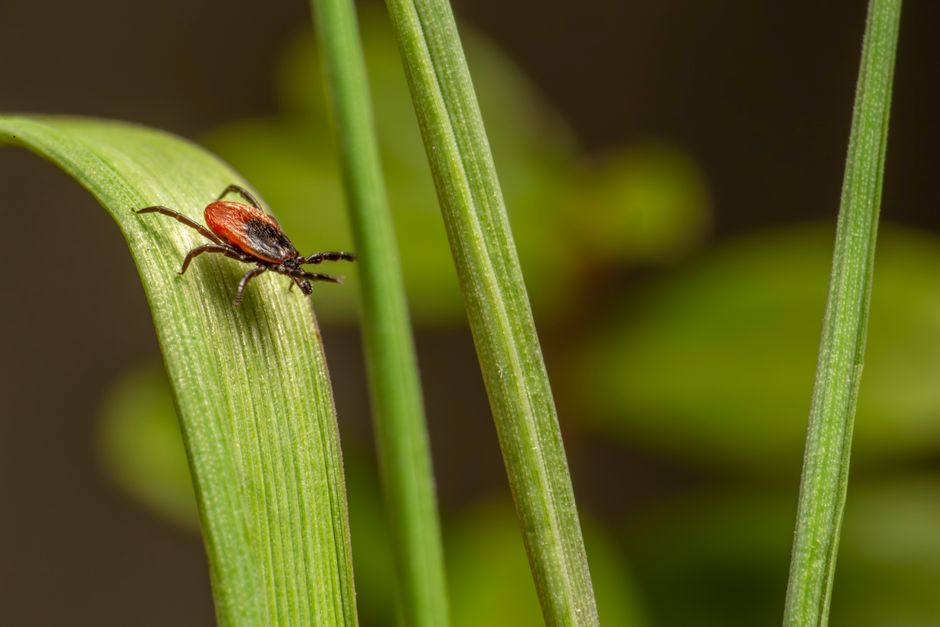
- Tick populations are surging, with ticks found not only in wooded areas but also in backyards and parks.
- A vaccine would provide an additional layer of protection against Lyme disease, which can cause serious health complications if left untreated.
Hunters and outdoor enthusiasts are at high risk of contracting Lyme disease, a debilitating illness caused by tick bites, and a new vaccine may offer them protection. As the US experiences possibly the worst tick season in a decade, the vaccine’s development is timely. The Centers for Disease Control and Prevention (CDC) reports that Lyme disease cases have been increasing over the years, with over 30,000 cases reported annually. The vaccine, currently in clinical trials, has shown promising results in preventing the disease.
The Current State of Tick-Borne Illnesses

The surge in tick populations and the resulting increase in Lyme disease cases have significant implications for public health. Ticks are not only found in wooded areas but also in backyards and parks, making it essential for people to take preventive measures. The CDC recommends using insect repellents, wearing protective clothing, and conducting regular tick checks. However, these measures are not foolproof, and a vaccine would provide an additional layer of protection. According to the CDC, Lyme disease can cause fever, headache, and a distinctive rash, and if left untreated, can lead to serious health complications.
A Brief History of Lyme Disease

Lyme disease was first identified in the 1970s in Lyme, Connecticut, and since then, it has become a major public health concern. The disease is caused by the bacterium Borrelia burgdorferi, which is transmitted to humans through the bite of an infected blacklegged tick. Over the years, researchers have been working to develop a vaccine, but it has been a challenging task. The previous vaccine, LYMErix, was approved in 1998 but was withdrawn from the market due to low demand and concerns about its effectiveness. The new vaccine, currently in development, has shown better results and may provide hope for those at high risk of contracting the disease.
The People Behind the Vaccine

The development of the Lyme disease vaccine is a result of collaborative efforts between researchers, scientists, and healthcare professionals. The team behind the vaccine has been working tirelessly to create a safe and effective vaccine. According to Dr. John Aucott, a leading researcher in the field, the vaccine has shown promising results in clinical trials, and it is hoped that it will be available to the public soon. The vaccine’s development is a significant step forward in the fight against tick-borne illnesses, and it has the potential to make a substantial impact on public health.
Consequences of the Vaccine’s Success

If the vaccine is successful, it will have significant consequences for hunters, outdoor enthusiasts, and the general public. It will provide an additional layer of protection against Lyme disease, reducing the risk of infection and the resulting health complications. The vaccine will also have economic implications, as it will reduce the financial burden of treating Lyme disease. According to a study published in the National Institutes of Health, the annual cost of treating Lyme disease is estimated to be over $1 billion. The vaccine has the potential to reduce this cost significantly, making it a valuable tool in the fight against tick-borne illnesses.
The Bigger Picture
The development of the Lyme disease vaccine is part of a broader effort to combat tick-borne illnesses. Ticks are not only responsible for transmitting Lyme disease but also other serious illnesses, such as anaplasmosis and babesiosis. The vaccine’s success will have implications for the prevention and treatment of these diseases, and it will contribute to a better understanding of the complex relationships between ticks, humans, and the environment. As the world experiences the challenges of climate change, the development of vaccines against tick-borne illnesses is becoming increasingly important.
As the tick season surges, the development of the Lyme disease vaccine offers hope for those at high risk of contracting the disease. While the vaccine is still in clinical trials, its potential to prevent tick-borne illnesses is significant. As researchers continue to work on the vaccine’s development, it is essential for the public to remain vigilant and take preventive measures against tick bites. The future of tick-borne illness prevention looks promising, and the Lyme disease vaccine is an important step forward in this fight.
Source: MedicalXpress