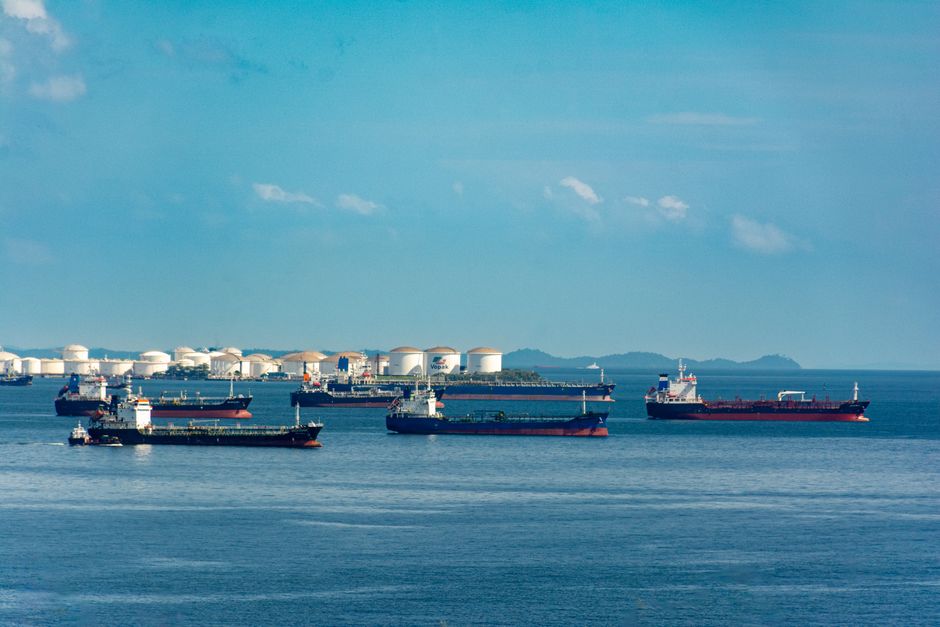
- Escalating US-Iran tensions in Hormuz have raised concerns about regional instability and global security.
- The conflict is rooted in decades of complex history, with the US withdrawal from the Iran nuclear deal in 2018 being a significant turning point.
- The recent strikes in Hormuz are the latest manifestation of an escalating conflict, with the US seeking to assert dominance and Iran pushing back against US aggression.
- Increased military build-ups, heated rhetoric, and proxy conflicts in the region are evidence of escalating tensions between the US and Iran.
- The conflict in Hormuz has global implications, with the US and Iran vying for influence in a strategically important region.
The escalating conflict between the US and Iran has taken a dramatic turn with recent strikes in the strategic Hormuz region, leaving the international community on high alert and wondering what sparked this latest escalation and why it matters now. The US-Iran tensions have been rising for months, but the strikes in Hormuz have raised concerns about regional instability and global security, with many fearing the consequences of a full-blown conflict.
Understanding the US-Iran Conflict

The conflict between the US and Iran is rooted in decades of complex history, with the US withdrawal from the Iran nuclear deal in 2018 marking a significant turning point. Since then, tensions have been escalating, with both sides engaging in a war of words and proxy conflicts in the region. The recent strikes in Hormuz are just the latest manifestation of this escalating conflict, with the US seeking to assert its dominance in the region and Iran pushing back against what it sees as US aggression.
Evidence of Escalating Tensions

There are numerous signs that the conflict between the US and Iran is escalating, including increased military build-ups, heated rhetoric, and proxy conflicts in the region. According to a report by the New York Times, the US has been deploying additional troops to the region, while Iran has been conducting military exercises and testing new missiles. The BBC has also reported on the growing tensions, citing concerns from regional leaders and international diplomats.
Counter-Perspectives and Skeptics

Not everyone agrees that the US-Iran conflict is escalating, with some skeptics arguing that the strikes in Hormuz were a one-off incident and not part of a larger pattern. Others have pointed out that the US and Iran have been engaging in proxy conflicts for years, and that the recent strikes are simply a continuation of this ongoing dynamic. However, most experts agree that the conflict is indeed escalating, and that the strikes in Hormuz mark a significant turning point in the region.
Real-World Impact and Consequences

The escalating US-Iran conflict has real-world consequences, including the potential for regional instability, disrupted trade, and humanitarian crises. The strikes in Hormuz have already led to increased tensions in the region, with many countries calling for calm and restraint. The Reuters has reported on the economic implications of the conflict, citing concerns from oil traders and shipping companies.
What This Means For You
The escalating US-Iran conflict has significant implications for international relations, global security, and regional stability. As the conflict continues to unfold, it is essential to stay informed and up-to-date on the latest developments, and to consider the potential consequences of a full-blown conflict. The AP News has provided ongoing coverage of the conflict, offering insights and analysis from experts and diplomats.
As the situation continues to evolve, one question remains: what will be the long-term consequences of the US-Iran conflict, and how will the international community respond to the escalating tensions? The answer to this question will depend on a variety of factors, including the actions of the US and Iran, the response of regional leaders, and the role of international diplomacy.
Source: The New York Times