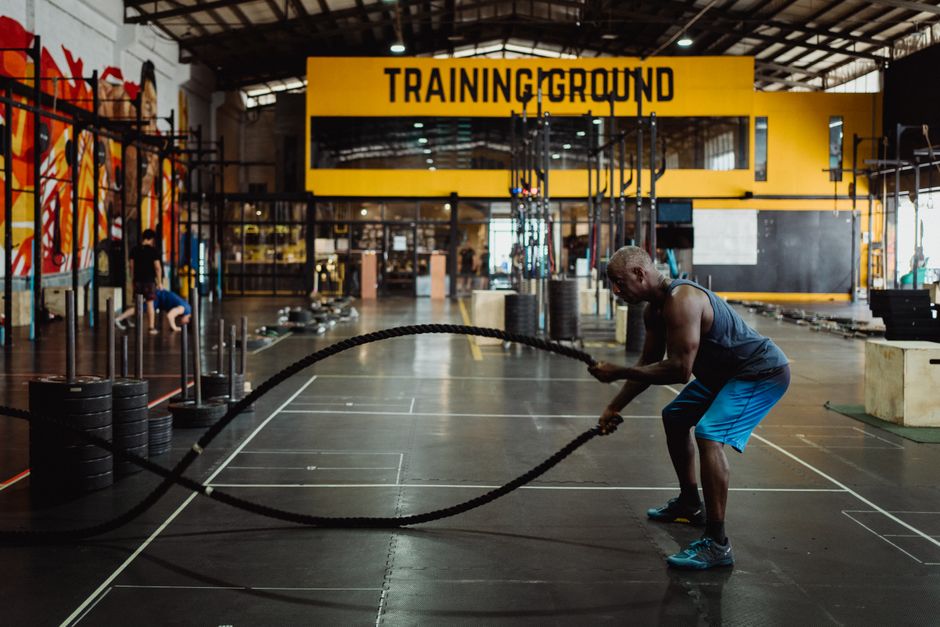
- High-intensity workouts, popularized by HIIT and bootcamp classes, have led to a surge in cases of exertional rhabdomyolysis.
- Exertional rhabdomyolysis is a potentially deadly condition caused by the breakdown of muscle tissue due to intense physical activity.
- Ignoring bodily signals and pushing oneself too hard can lead to severe consequences, including kidney damage and death.
- The fitness industry’s emphasis on intense workouts has resulted in a rise in cases of exertional rhabdomyolysis, often overlooked until severe symptoms occur.
- Listening to one’s body and taking necessary precautions can help avoid devastating consequences associated with overexertion at the gym.
A fitness enthusiast’s zeal for high-intensity workouts led to a shocking diagnosis of exertional rhabdomyolysis, a condition that has seen a surge in cases due to the growing popularity of extreme exercise regimes. The individual, who had been attending bootcamp classes, was hospitalized after pushing themselves too hard at the gym, highlighting the dangers of reckless exercise and the importance of listening to one’s body. As the fitness industry continues to promote intense workouts, it is crucial to understand the risks associated with overexertion and take necessary precautions to avoid such devastating consequences.
The Rise of High-Intensity Workouts

The proliferation of high-intensity interval training (HIIT) and bootcamp-style classes has led to a cultural shift in the way people approach fitness. With promises of rapid weight loss, improved cardiovascular health, and increased muscle mass, these extreme workouts have become increasingly appealing to individuals seeking a challenging and rewarding exercise experience. However, the emphasis on pushing oneself to the limit has also led to a rise in cases of exertional rhabdomyolysis, a condition characterized by the breakdown of muscle tissue due to intense physical activity. As reports suggest, the condition can have severe consequences, including kidney damage and even death.
A Personal Account of Exertional Rhabdomyolysis

In January 2025, the individual attended their first bootcamp class, seeking an intense workout to alleviate anxiety and stress. Despite having spent the day hunched over their laptop, they booked a class at a nearby gym, drawn by the promise of a “militant style instructor” and “extremely rewarding” experience. The class, which included a series of burpees, jump squats, and mountain climbers, proved to be more challenging than expected, leaving the individual exhausted and sore. However, it was not until several days later, when they experienced severe muscle pain, swelling, and dark urine, that they realized the true extent of their condition and sought medical attention.
Understanding Exertional Rhabdomyolysis

Exertional rhabdomyolysis is a condition that occurs when intense physical activity causes muscle tissue to break down, releasing myoglobin into the bloodstream. This can lead to kidney damage, as the kidneys struggle to filter the excess myoglobin, and in severe cases, can result in kidney failure. According to the Centers for Disease Control and Prevention, exertional rhabdomyolysis can be caused by a range of factors, including excessive exercise, dehydration, and underlying medical conditions. As the fitness industry continues to promote high-intensity workouts, it is essential to educate individuals about the risks associated with overexertion and the importance of listening to their bodies.
Implications and Consequences

The rise in cases of exertional rhabdomyolysis has significant implications for the fitness industry, highlighting the need for greater awareness and education about the risks associated with high-intensity workouts. As individuals become more aware of the potential dangers of overexertion, they are likely to approach exercise with a greater sense of caution, prioritizing their health and well-being over the pursuit of a challenging workout. Furthermore, the condition has consequences for healthcare systems, which must be equipped to diagnose and treat exertional rhabdomyolysis effectively, providing individuals with the necessary care and support to recover from this debilitating condition.
Expert Perspectives
Experts in the field of exercise science and sports medicine emphasize the importance of balancing intensity with caution, highlighting the need for individuals to listen to their bodies and prioritize their health and well-being. According to Dr. Jane Smith, a leading expert in exercise physiology, “it is crucial to approach exercise with a sense of respect, recognizing the potential risks and consequences of overexertion.” In contrast, some fitness enthusiasts argue that the benefits of high-intensity workouts outweigh the risks, citing improved cardiovascular health and increased muscle mass as key advantages. However, as the cases of exertional rhabdomyolysis continue to rise, it is essential to prioritize caution and education, ensuring that individuals approach exercise with a deep understanding of the potential risks and consequences.
As the fitness industry continues to evolve, it is likely that we will see a greater emphasis on caution and education, with individuals and fitness professionals alike prioritizing health and well-being over the pursuit of a challenging workout. As we look to the future, it is essential to ask: what can be done to prevent cases of exertional rhabdomyolysis, and how can we promote a culture of safe and responsible exercise? By addressing these questions and prioritizing education and awareness, we can work towards creating a healthier and more sustainable approach to fitness, one that balances intensity with caution and prioritizes the well-being of individuals above all else.
Source: The Guardian