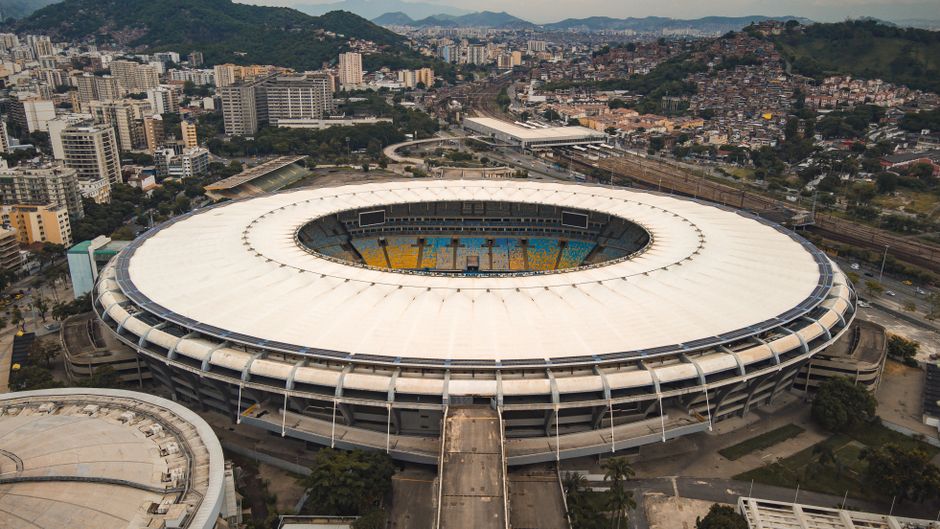
- The 2026 World Cup promises a more technologically advanced and globally connected experience than the 1994 tournament.
- The 1994 World Cup was marked by a vibrant atmosphere, while the 2026 tournament will feature state-of-the-art stadiums and innovative broadcasting.
- Football kits have undergone significant transformations since the 1994 World Cup, with modern designs and materials replacing traditional attire.
- The 1994 World Cup was a groundbreaking moment for football in the USA, paving the way for the establishment of Major League Soccer.
- The 2026 World Cup will build upon the global reach and popularity of the sport, with a broader audience and increased exposure.
The 2026 World Cup is just around the corner, and as the beautiful game prepares to take center stage once again, it’s hard not to think back to the iconic 1994 tournament held in the USA. It’s been 32 years since Diego Maradona’s infamous celebration, Bebeto’s adorable baby-rocking gesture, and Roberto Baggio’s heartbreaking penalty miss. The sport has undergone significant changes since then, from the hairstyles to the stadiums, kits, and celebrations.
Then and Now: A Comparative Look

A comparison of the two tournaments reveals a plethora of differences. The 1994 World Cup was marked by its vibrant atmosphere, with iconic players like Maradona, Baggio, and Carlos Valderrama showcasing their skills on the pitch. In contrast, the 2026 World Cup promises to be a more technologically advanced and globally connected event, with state-of-the-art stadiums and innovative broadcasting techniques. The kits, too, have undergone a significant transformation, with modern designs and materials replacing the more traditional attire of the past.
A Historical Perspective

To understand the evolution of the World Cup, it’s essential to look back at the historical context of the 1994 tournament. The event was a groundbreaking moment for football in the USA, marking a turning point in the sport’s popularity in the country. The tournament’s success paved the way for the establishment of Major League Soccer (MLS) and the growth of football as a whole in the USA. Since then, the sport has continued to grow, with the 2026 World Cup promising to be one of the most widely watched and highly anticipated events in the history of the game.
The Key Players

So, who are the key players shaping the 2026 World Cup? From the tournament’s organizers to the players, coaches, and fans, a multitude of individuals are working together to make this event a success. The likes of FIFA and the local organizing committee are responsible for overseeing the tournament’s logistics, while the players and coaches are focused on preparing for the competition. Meanwhile, fans from around the world are eagerly anticipating the event, with many already making plans to attend matches or watch from home.
Consequences and Implications

The 2026 World Cup has significant implications for the sport as a whole. The tournament’s success will not only impact the growth of football in the USA but also have a lasting impact on the global football community. The event’s legacy will be felt for years to come, with the potential to inspire a new generation of football fans and players. Furthermore, the tournament’s economic impact will be substantial, with the event expected to generate significant revenue for the host cities and countries.
The Bigger Picture
The 2026 World Cup is more than just a sporting event – it’s a cultural phenomenon that brings people together from around the world. The tournament has the power to unite nations, transcend borders, and inspire greatness. As the world prepares to come together for this momentous occasion, it’s essential to remember the significance of the event and its potential to make a lasting impact on the world. For more information on the history of the World Cup, visit BBC Sport.
As the 2026 World Cup approaches, one thing is certain – it will be an event to remember. With its rich history, cultural significance, and exciting matchups, the tournament promises to be an unforgettable experience for football fans around the world. So, get ready to join in on the action, and let the beautiful game take center stage once again.
Source: The Guardian