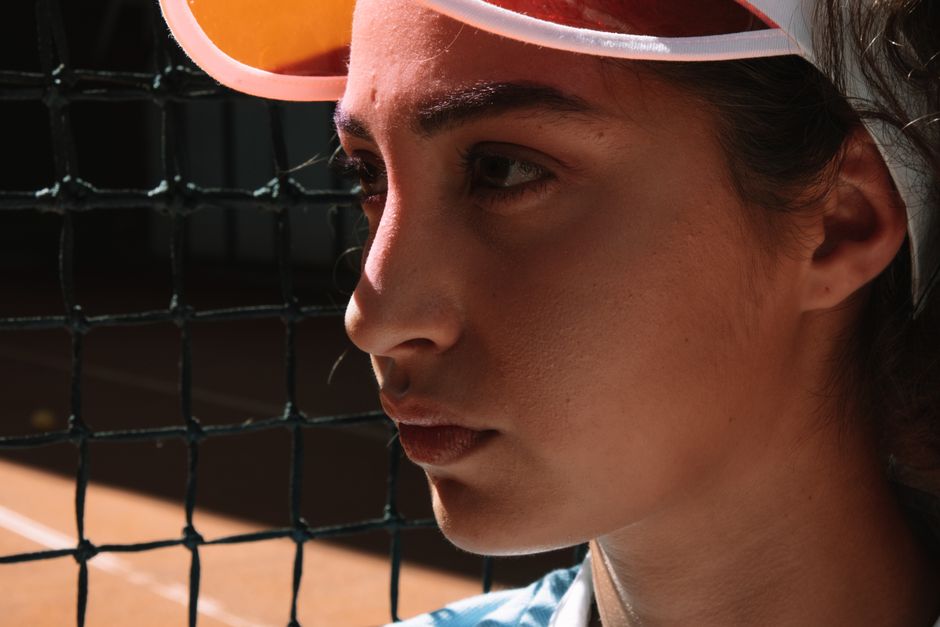
- Iga Swiatek’s emotional display after winning the first round of Wimbledon is a rare sight in professional tennis, highlighting her emotional complexity.
- Swiatek’s victory is not just a testament to her tennis skills, but also a glimpse into her emotional state as she navigates the pressures of being a champion.
- Iga Swiatek is known for being an introverted and emotionally complex individual, making her one of the most intriguing figures in tennis.
- Swiatek’s ability to bounce back from a challenging second set demonstrates her resilience and determination.
- The memory of her previous win still profoundly affects Iga Swiatek, leaving her emotionally vulnerable as the defending champion.
Iga Swiatek, the defending Wimbledon champion, has begun her title defense with a dramatic 6-1, 2-6, 6-3 win over Taylor Townsend in the first round, leaving her in tears after the match. This emotional display is a rare sight in the world of professional tennis, especially from a multiple grand slam winner. Swiatek’s victory is not just a testament to her tennis skills, but also a glimpse into her emotional state as she navigates the pressures of being a champion.
Understanding Iga Swiatek’s Emotional Depth

Iga Swiatek is known for being an introverted and emotionally complex individual. Her on-court brilliance is often contrasted with her off-court fragility, making her one of the most intriguing figures in tennis. The tears she shed after winning the first round match against Taylor Townsend are a reflection of the immense pressure she feels as the defending champion. As she mentioned, ‘Last year the most amazing thing happened. So I felt it,’ indicating that the memory of her previous win still profoundly affects her.
Evidence of Her Resilience

Swiatek’s ability to bounce back from a challenging second set, where she lost 6-2, demonstrates her resilience and determination. Despite the setbacks, she managed to compose herself and secure a 6-3 win in the final set. This capacity to overcome adversity is a hallmark of her tennis career and a key factor in her success. As reported by the Guardian, Swiatek’s first Wimbledon title last year was a significant milestone in her career, showcasing her growing dominance in the sport.
Counter-Perspectives and Challenges

While Swiatek’s emotional display and victory are commendable, they also highlight the challenges she faces as a champion. Critics might argue that her emotional fragility could be a weakness, especially in high-pressure situations. Moreover, the transition from being a challenger to a defending champion can be daunting, with increased expectations and scrutiny. However, Swiatek’s ability to acknowledge and express her emotions could also be seen as a strength, allowing her to connect with her fans on a deeper level and potentially inspiring others to embrace their emotional vulnerability.
Real-World Impact and Inspirations

Iga Swiatek’s journey, including her recent win and emotional response, has a significant impact on the tennis world and beyond. She inspires a new generation of tennis players with her unique blend of talent, resilience, and emotional depth. Moreover, her openness about her feelings can help reduce the stigma around mental health in sports, encouraging athletes to speak more freely about their emotional struggles. As the tennis community looks to BBC Sport and other outlets for updates, Swiatek’s story serves as a reminder of the human side of professional sports.
What This Means For You
The story of Iga Swiatek’s emotional win at Wimbledon offers a valuable lesson for readers: the importance of acknowledging and embracing one’s emotions, even in the face of intense pressure and scrutiny. Whether you’re an athlete or not, recognizing that emotional vulnerability can be a strength, not a weakness, is crucial for personal growth and resilience. As Swiatek continues her Wimbledon journey, her ability to navigate the emotional highs and lows will be closely watched, serving as a testament to the human spirit’s capacity to overcome adversity.
As we watch Iga Swiatek’s progress in the tournament, an open question remains: how will she balance the pressure of being a defending champion with her emotional well-being, and what can we learn from her experiences about managing our own emotional challenges in the face of adversity? This question invites readers to reflect on their own emotional journeys and the importance of mental health, especially in high-stakes environments.
Source: The Guardian