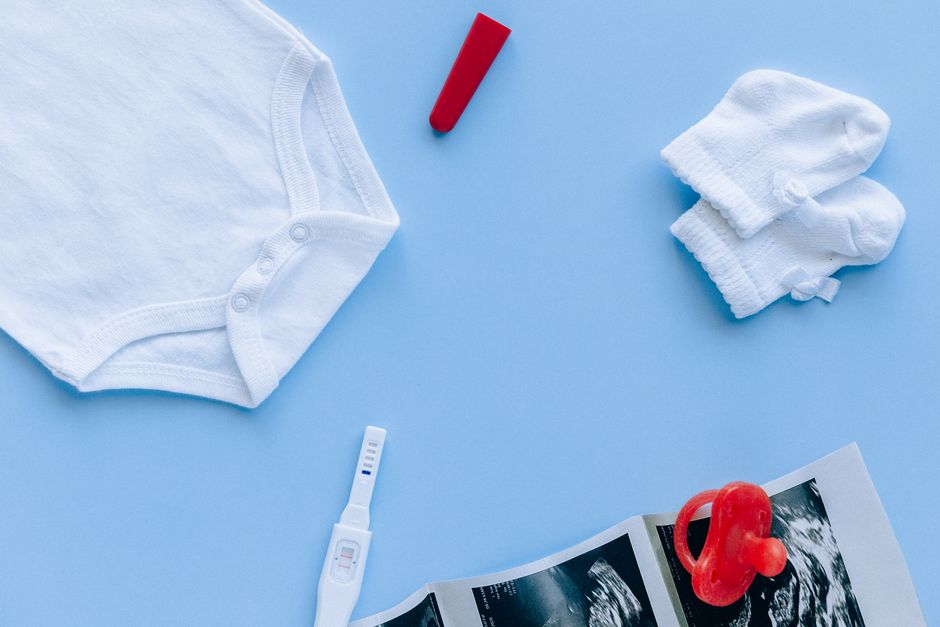
- Newborn screening can significantly improve outcomes for children born with birth defects, enabling them to lead healthier lives.
- Early detection and treatment of birth defects can reduce lifelong disability for millions of children worldwide.
- The World Health Organization is urging countries to scale up newborn screening to improve child survival rates.
- Newborn screening involves a simple blood test, followed by additional diagnostic tests if any abnormalities are detected.
- Early intervention through newborn screening can reduce the risk of long-term complications and improve quality of life.
The World Health Organization (WHO) is urging countries to scale up newborn screening to improve the early detection and care of birth defects, a move that could save lives and reduce lifelong disability for millions of children worldwide. With many conditions able to be successfully treated if identified early after birth, the importance of timely intervention cannot be overstated. As the global health community continues to strive for better child survival rates, the role of newborn screening has become increasingly critical.
Why Newborn Screening Matters

Newborn screening is a public health intervention that involves testing newborn babies for certain health disorders. The process typically begins with a simple blood test, which is then followed by additional diagnostic tests if any abnormalities are detected. Early detection and treatment can significantly improve outcomes for children born with birth defects, enabling them to lead healthier and more productive lives. By identifying these conditions early, healthcare providers can initiate targeted interventions, thereby reducing the risk of long-term complications and improving the overall quality of life for affected individuals.
Supporting Evidence for Newborn Screening

According to a new WHO report, Strengthening capacity for newborn screening, diagnosis and management of birth defects, newborn screening is an important opportunity to accelerate progress in child survival. The report highlights the effectiveness of early detection and treatment in saving lives and reducing disability. For instance, conditions such as congenital hypothyroidism and phenylketonuria (PKU) can be managed effectively if identified and treated promptly after birth. The WHO report emphasizes the need for countries to expand their newborn screening programs to cover a wider range of conditions, ensuring that more children receive the timely care they need.
Counter-Perspectives and Challenges

While the benefits of newborn screening are undeniable, there are also challenges and counter-perspectives that need to be considered. Some of the concerns include the cost of implementing and maintaining comprehensive newborn screening programs, as well as the potential for false positives and the resultant anxiety for families. Furthermore, in some regions, there may be limited access to diagnostic facilities and specialized care, which can hinder the effectiveness of newborn screening. Addressing these challenges will require a multifaceted approach, including investment in healthcare infrastructure, training of healthcare professionals, and public awareness campaigns to educate families about the importance of newborn screening.
Real-World Impact of Newborn Screening

The real-world impact of newborn screening can be seen in countries that have already implemented comprehensive programs. For example, in the United States, newborn screening has been instrumental in reducing the incidence of intellectual disability and other complications associated with untreated birth defects. Similarly, in countries like Japan and Australia, where newborn screening is universal, there has been a significant improvement in health outcomes for children with congenital conditions. By learning from these examples and adapting them to local contexts, other countries can also reap the benefits of expanded newborn screening.
What This Means For You
For expectant parents and families, the call to scale up newborn screening is a reminder of the importance of advocating for comprehensive prenatal and postnatal care. By understanding the benefits and limitations of newborn screening, families can make informed decisions about their healthcare and ensure that their newborns receive the best possible start in life. Moreover, as communities and societies, we all have a role to play in supporting the expansion of newborn screening programs, whether through advocacy, donation, or volunteering our time and expertise.
As we move forward, an important question to consider is how we can ensure equitable access to newborn screening and follow-up care, particularly in resource-constrained settings. By addressing this question and working together to strengthen health systems, we can create a future where every child, regardless of their birthplace or background, has the opportunity to thrive and reach their full potential. For more information on newborn screening and child health, visit the World Health Organization website or consult reputable sources such as the Centers for Disease Control and Prevention.
Source: WHO