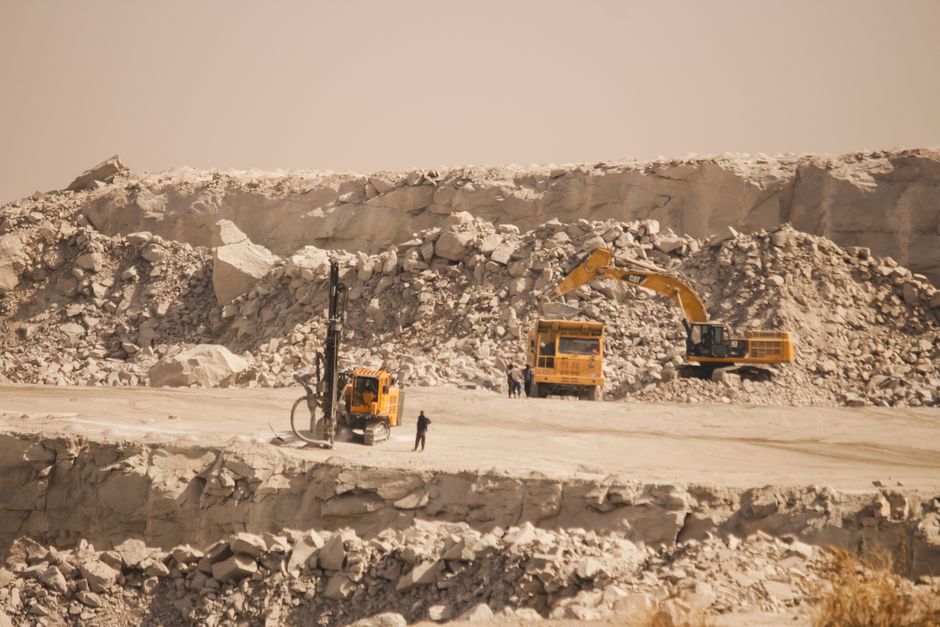
- African governments are insisting that minerals be processed locally before export to boost local economies and create jobs.
- Foreign mining companies have historically exploited Africa’s mineral resources without providing adequate benefits to local communities.
- Policies requiring local processing of minerals are being introduced across the continent, including in Ghana and Kenya.
- African countries aim to increase the value of mineral exports and reduce dependence on foreign interests.
- Local processing of minerals is expected to generate more revenue for African governments and create employment opportunities.
Africa is finally taking control of its mineral resources, with governments from Kenya to Ghana to Mali insisting that their minerals be processed at home before they are exported. This significant shift in the continent’s mining industry is a result of years of exploitation by foreign companies, which have extracted Africa’s rich mineral resources without providing adequate benefits to local communities. The new approach is expected to boost local economies, create jobs, and reduce the continent’s dependence on foreign interests.
Current State of Affairs

The current situation is marked by a growing trend of African governments asserting their rights over their mineral resources. In recent years, several countries have introduced policies requiring foreign mining companies to process minerals locally before exporting them. This move is aimed at increasing the value of mineral exports, generating more revenue for local governments, and creating employment opportunities for African citizens. For instance, Ghana has introduced a policy requiring gold miners to process at least 20% of their output locally, while Kenya has announced plans to establish a gold refinery to process gold mined in the country.
Historical Context

The story behind Africa’s new approach to mining is rooted in the continent’s history of exploitation by foreign powers. For decades, African countries have been subjected to unfair trade practices, with foreign companies extracting mineral resources without providing adequate benefits to local communities. The legacy of colonialism has also played a significant role in shaping the continent’s mining industry, with many African countries lacking the capacity and expertise to manage their mineral resources effectively. However, with the rise of nationalist movements and the growing demand for economic sovereignty, African governments are now taking steps to reclaim control over their mineral resources and use them to drive economic development.
Key Players and Motivations

The key players in Africa’s mining industry are the governments, foreign mining companies, and local communities. African governments are driven by the desire to assert their economic sovereignty and use their mineral resources to drive development. Foreign mining companies, on the other hand, are motivated by the desire to maximize profits and maintain their control over Africa’s mineral resources. Local communities, who have long been affected by the environmental and social impacts of mining, are demanding fair compensation and benefits from the exploitation of their resources. As Al Jazeera reports, the African Union has also played a significant role in promoting the development of a common African mining vision.
Consequences and Implications

The consequences of Africa’s new approach to mining are far-reaching and significant. By insisting that minerals be processed locally, African governments are likely to generate more revenue from their mineral exports, create employment opportunities for their citizens, and reduce their dependence on foreign interests. However, this approach also poses significant challenges, including the need for significant investment in infrastructure and capacity building. Foreign mining companies may also resist the new policies, which could lead to conflicts and disputes. As the Reuters news agency reports, the new approach is also expected to have significant implications for global mineral markets and trade flows.
The Bigger Picture
Africa’s new approach to mining is part of a broader trend of economic nationalism and regional integration. The African Continental Free Trade Area, which was launched in 2021, aims to create a single market for African countries and promote economic development and integration. The new approach to mining is also consistent with the United Nations’ Sustainable Development Goals, which emphasize the need for sustainable and responsible mining practices. As the World Health Organization notes, the environmental and health impacts of mining are significant, and African governments must ensure that their mineral resources are exploited in a responsible and sustainable manner.
In conclusion, Africa’s new approach to mining marks a significant shift in the continent’s mining industry and has far-reaching implications for local economies, foreign companies, and global mineral markets. As African governments continue to assert their rights over their mineral resources, it is essential to ensure that the benefits of mining are shared equitably and that the environmental and social impacts are mitigated. The future of Africa’s mining industry will depend on the ability of governments, companies, and communities to work together to promote sustainable and responsible mining practices.
Source: Al Jazeera