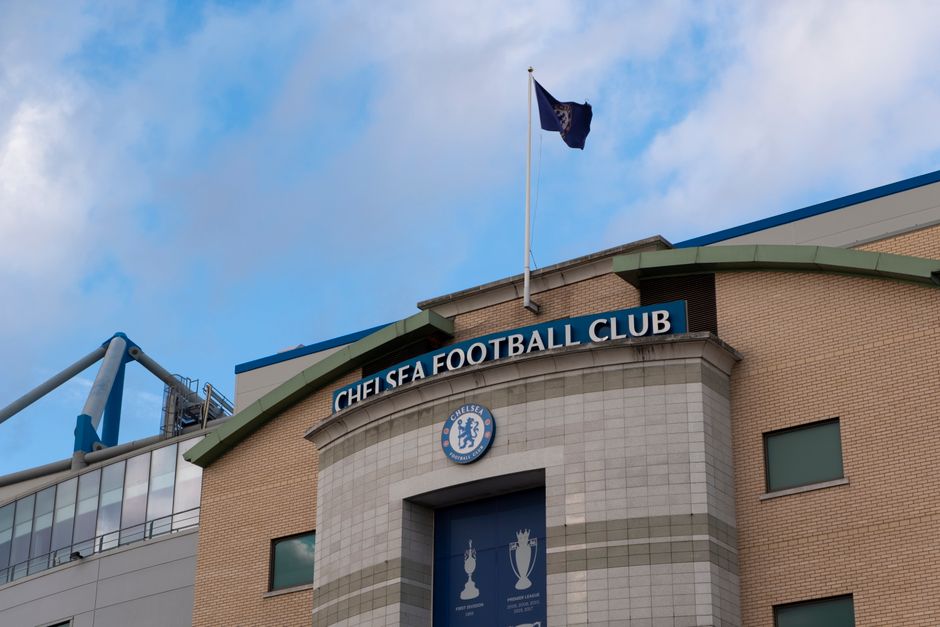
- Four Premier League teams – Aston Villa, Chelsea, Newcastle United, and Nottingham Forest – were fined by UEFA for breaching financial sustainability regulations.
- The fines resulted from the clubs’ failure to comply with UEFA’s financial fair play rules, which aim to promote financial stability and prevent excessive debt.
- The breaches were likely caused by heavy spending on player transfers and wages, as well as insufficient revenue from matchday sales and sponsorships.
- UEFA’s financial fair play rules require clubs to break even over a certain period, balancing spending with revenue.
- The financial breaches raise concerns about the long-term financial stability of the affected Premier League teams.
What happens when top football clubs overspend and breach financial rules? Recently, four Premier League sides – Aston Villa, Chelsea, Newcastle United, and Nottingham Forest – were fined by UEFA for violating financial sustainability regulations, sparking concerns about the financial health of these clubs and the broader implications for European football. The fines come as a result of the clubs’ failure to comply with UEFA’s financial fair play rules, which aim to promote financial stability and prevent clubs from accumulating excessive debt.
Understanding the Financial Breaches

The four Premier League clubs were found to have breached UEFA’s financial sustainability regulations, which require clubs to break even over a certain period. This means that clubs must balance their spending with their revenue, taking into account factors such as player transfers, wages, and sponsorship deals. The breaches are likely to have occurred due to a combination of factors, including heavy spending on player transfers and wages, as well as a failure to generate sufficient revenue through matchday sales, broadcasting rights, and sponsorship deals. According to UEFA’s website, the financial fair play rules are in place to ensure that clubs operate within their means and do not jeopardize their long-term financial stability.
Evidence of Financial Irresponsibility

While the exact details of the breaches are not publicly available, the fines imposed by UEFA suggest that the clubs have engaged in financial mismanagement. For example, Chelsea’s recent spending spree, which saw the club spend heavily on player transfers, may have contributed to their breach of the financial sustainability regulations. Similarly, Newcastle United’s significant investment in player transfers and wages may have put a strain on the club’s finances, leading to a breach of the regulations. As reported by BBC Sport, the fines are a warning to clubs to get their financial houses in order and to prioritize financial sustainability over short-term gains.
Counter-Perspectives and Criticisms

Not everyone agrees that the fines are justified, with some arguing that UEFA’s financial fair play rules are too restrictive and stifle competition. Others argue that the rules are necessary to prevent clubs from accumulating excessive debt and to promote financial stability. However, critics argue that the rules can be overly complex and difficult to navigate, leading to unintended consequences such as limiting the ability of smaller clubs to compete with larger ones. Additionally, some argue that the fines are not sufficient to deter clubs from breaching the regulations, and that more severe penalties, such as points deductions or expulsion from European competitions, may be needed to ensure compliance.
Real-World Impact of the Fines

The fines imposed by UEFA will have a significant impact on the four Premier League clubs, both financially and reputationally. The clubs will be required to pay the fines, which could have a negative impact on their financial stability and limit their ability to invest in player transfers and wages. Additionally, the fines may damage the clubs’ reputations and erode fan trust, potentially leading to a decline in attendance and revenue. The fines may also have broader implications for European football, as they set a precedent for how UEFA will enforce its financial fair play rules and may influence the behavior of other clubs.
What This Means For You
The fines imposed by UEFA on the four Premier League clubs serve as a reminder of the importance of financial sustainability in football. For fans, the fines may mean that their clubs will have to be more prudent in their spending, potentially leading to a more stable and secure financial future. However, the fines may also limit the ability of clubs to invest in player transfers and wages, potentially affecting their competitiveness on the pitch. As a fan, it is essential to understand the financial realities of your club and to support responsible financial management.
As the football world continues to evolve, one question remains: how can clubs balance their desire to compete with the need for financial sustainability? The answer to this question will require a delicate balance between investment and prudence, as well as a commitment to transparency and accountability. As fans, we must remain vigilant and ensure that our clubs prioritize financial stability and responsible management, both on and off the pitch.
Source: Sky Sports