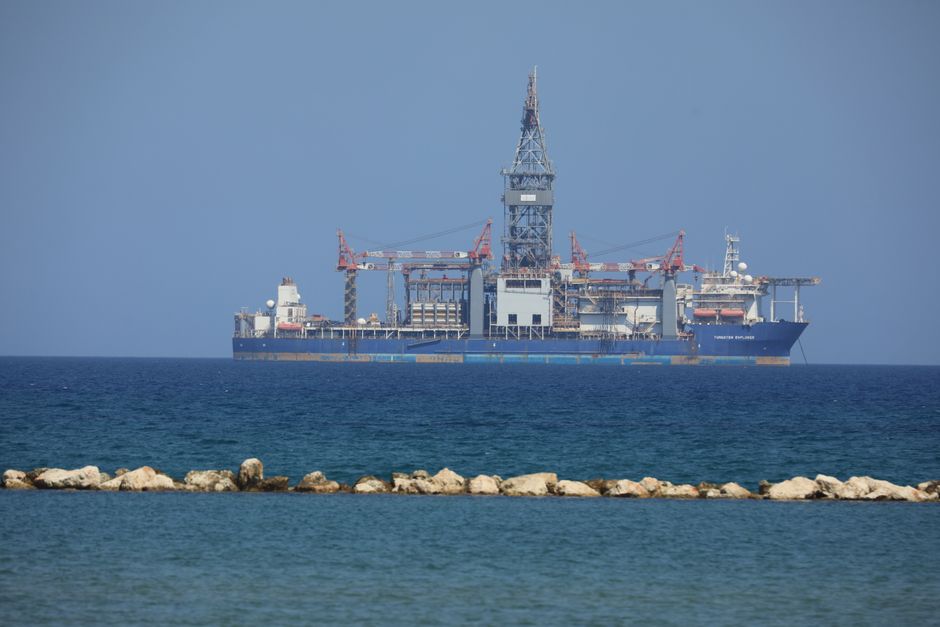
- Cyprus aims to start gas production by 2033, bolstering EU energy security.
- The Eastern Mediterranean is emerging as a credible alternative energy corridor for Europe.
- The development of gas reserves in Cyprus will benefit the country, Israel, and Egypt.
- The EU seeks to diversify energy sources and reduce reliance on Russian gas.
- Underwater pipelines will transport natural gas from Cyprus to Europe.
Cyprus is poised to become a significant player in the European energy landscape, with two gas fields off its coast expected to start production by 2033. This development is a major step towards establishing the Eastern Mediterranean as a credible alternative energy corridor for Europe, according to Cypriot President Nikos Christodoulides. The announcement comes as the EU continues to diversify its energy sources and reduce its reliance on Russian gas.
Background and Significance

The discovery of substantial gas reserves in the Eastern Mediterranean has been a game-changer for the region, with Cyprus, Israel, and Egypt all set to benefit from the newfound wealth. The development of these resources is crucial for the EU, which is seeking to enhance its energy security and reduce its dependence on imported fuels. As European energy demand continues to grow, the importance of alternative energy sources, such as those found in the Eastern Mediterranean, will only continue to increase.
Key Details and Players

The two gas fields in question, located off the coast of Cyprus, are expected to produce significant quantities of natural gas, which will be transported to Europe via underwater pipelines. The project has garnered significant attention from major energy companies, with several international players already expressing interest in investing in the development of the fields. Cypriot President Nikos Christodoulides has lauded the signing of the “declaration of marketability” as a major step forward, highlighting the potential for the Eastern Mediterranean to become a major energy hub.
Analysis and Implications

The development of the Cypriot gas fields is expected to have far-reaching implications for the European energy landscape. With the EU seeking to reduce its reliance on Russian gas, the discovery of new energy sources in the Eastern Mediterranean is a welcome development. According to energy experts, the production of natural gas from the Cypriot fields could help to stabilize energy prices and enhance EU energy security. However, the project is not without its challenges, with concerns over the environmental impact of the development and the potential for regional tensions to arise.
Regional Impact and Cooperation

The development of the Cypriot gas fields is also expected to have significant implications for regional cooperation and diplomacy. As the Eastern Mediterranean becomes an increasingly important energy hub, the need for cooperation between regional players will only continue to grow. The Cypriot government has already begun to engage with neighboring countries, including Israel and Egypt, to discuss potential cooperation and collaboration on energy projects. This cooperation will be crucial in ensuring the successful development of the region’s energy resources and the enhancement of EU energy security.
Expert Perspectives
Experts in the field have welcomed the development of the Cypriot gas fields, highlighting the potential for the project to enhance EU energy security and reduce reliance on imported fuels. However, some have also expressed concerns over the potential environmental impact of the development and the need for careful planning and management to mitigate these risks. As energy analysts note, the successful development of the Cypriot gas fields will require careful cooperation and planning between regional players and international investors.
As the project moves forward, it will be important to watch for developments in regional cooperation and diplomacy, as well as the potential for environmental and social impacts to arise. The Cypriot government will need to carefully balance the need for economic development with the need to protect the environment and ensure the well-being of local communities. As the EU continues to navigate the complex and ever-changing energy landscape, the development of the Cypriot gas fields is likely to play an increasingly important role in shaping the region’s energy future.
Source: Euronews