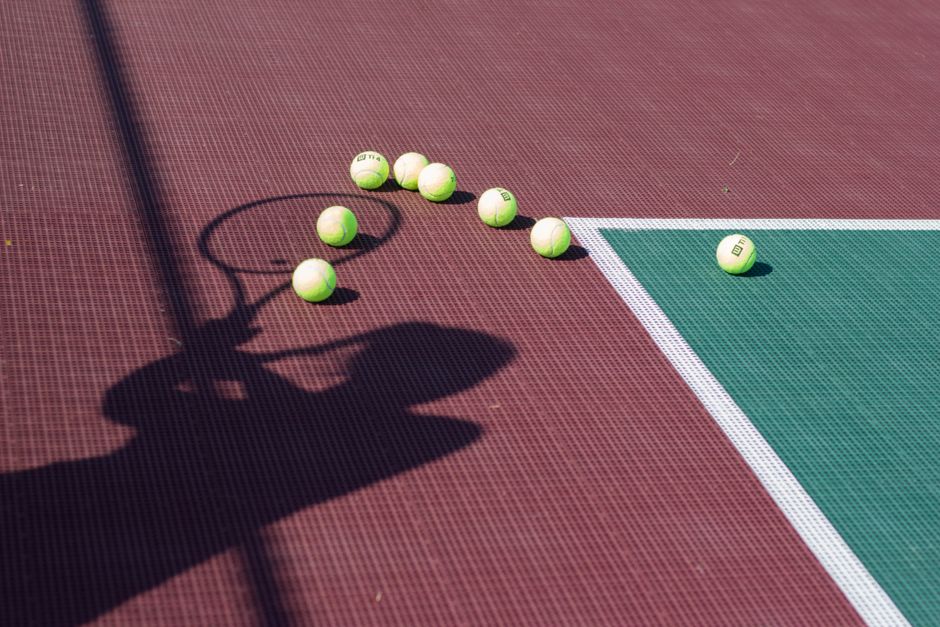
- Tennis balls must meet strict standards for size, weight, and bounce to ensure consistency and fairness in the game.
- The ‘soft balls’ used in the Tsitsipas-Buse match fell short of these standards, leading to the Greek player’s protest.
- Variability in ball quality can significantly impact player performance, particularly in terms of speed and accuracy.
- The Association of Tennis Professionals and the International Tennis Federation are responsible for setting and enforcing ball standards.
- Player dissatisfaction with ball quality is not new, with many players and coaches discussing the issue in the tennis world.
What happens when a tennis star like Stefanos Tsitsipas claims the balls are ‘unplayable’? The Greek tennis pro recently stopped play to argue with the umpire about the ‘soft balls’ used in his match against Ignacio Buse at the Vanda Pharmaceuticals Mallorca Championships. This unusual incident has sparked debate about the standards of tennis equipment and the impact on player performance.
What’s Behind the ‘Soft Balls’ Controversy?

Tsitsipas’s complaint about the ‘soft balls’ refers to the balls’ lower bounce and reduced responsiveness, making them difficult to play with. The issue is not just about the player’s preference but also about the consistency and fairness of the game. According to the Association of Tennis Professionals, tennis balls must meet specific standards for size, weight, and bounce. The ‘soft balls’ used in the match apparently fell short of these standards, prompting Tsitsipas’s protest.
Evidence from the Tennis World

While the incident involving Tsitsipas is isolated, it highlights a broader issue in tennis. Players and coaches often discuss the variability in ball quality and its effect on the game. For instance, a study by the International Tennis Federation found that ball quality can significantly impact player performance, particularly in terms of speed and accuracy. The use of substandard balls can lead to inconsistent gameplay, affecting not only the players but also the overall fan experience.
Counter-Perspectives and Criticisms

Not everyone agrees that the ‘soft balls’ were the primary issue in Tsitsipas’s match. Some critics argue that the player’s frustration was misplaced, and he should have adapted to the conditions. Others suggest that the umpire and tournament organizers should have addressed the issue before the match began. Additionally, the incident raises questions about the responsibility of manufacturers in ensuring that their products meet the required standards. As the debate continues, it is essential to consider the various perspectives and potential solutions to prevent similar incidents in the future.
Real-World Impact on the Tennis Community

The controversy surrounding the ‘soft balls’ has significant implications for the tennis community. If left unaddressed, the use of substandard balls can lead to a loss of trust among players, coaches, and fans. Moreover, it can affect the integrity of the game, potentially influencing the outcome of matches and tournaments. To maintain the sport’s credibility, it is crucial for governing bodies, manufacturers, and tournament organizers to work together to establish and enforce strict quality control measures for tennis equipment.
What This Means For You
For tennis enthusiasts, the incident serves as a reminder of the importance of equipment standards in ensuring a fair and enjoyable game. As a fan, you can expect more attention to be paid to the quality of tennis balls in future tournaments. The controversy may also prompt discussions about the need for more stringent testing and certification processes for tennis equipment, ultimately benefiting the sport as a whole.
As the tennis world continues to debate the ‘soft balls’ issue, one question remains: what will be done to prevent similar incidents in the future? Will the incident prompt a thorough review of tennis equipment standards, or will it be dismissed as an isolated complaint? The answer will be crucial in maintaining the integrity and credibility of the sport, and fans will be watching closely to see how the situation unfolds.
Source: Sky Sports