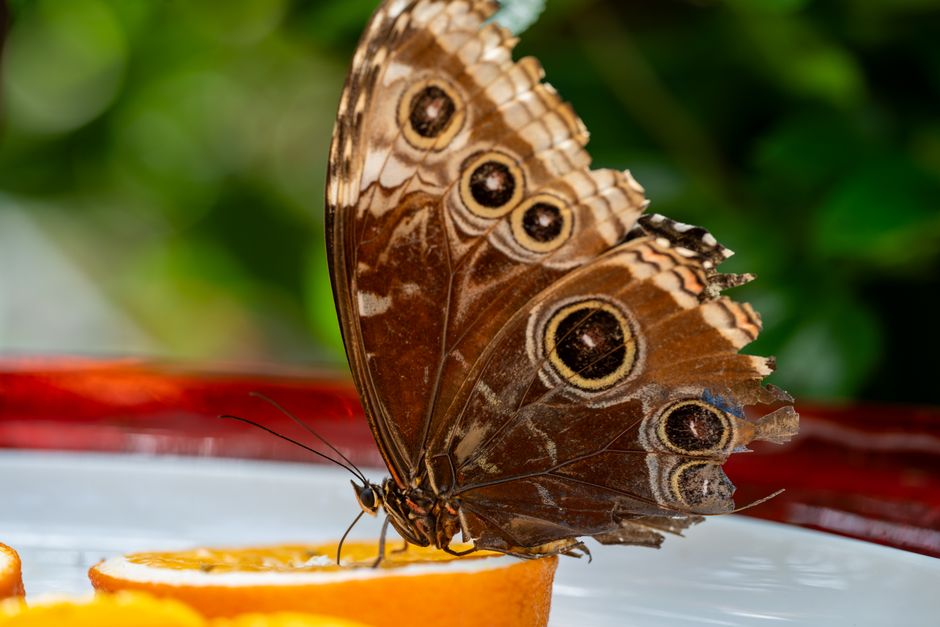
- The Heliconius butterfly has evolved an extraordinary lifespan, living several times longer than its closely related species.
- The butterfly’s unique diet of pollen may contribute to its ability to live longer.
- Researchers suggest that deeper evolutionary changes are also at play in the butterfly’s extended lifespan.
- The study of Heliconius butterflies has provided valuable insights into the complex interplay between lifestyle, genetics, and environmental factors that influence aging.
- Examining the Heliconius butterfly’s remarkable ability to resist aging can help scientists gain a deeper understanding of the underlying biological processes that contribute to longevity.
What if a butterfly could hold the key to unlocking the secrets of longevity? Scientists have discovered that the Heliconius butterfly has evolved an extraordinary lifespan, living several times longer than its closely related species, with some individuals showing little sign of physical decline as they age. This remarkable finding has significant implications for our understanding of aging and could potentially lead to breakthroughs in human longevity. The discovery of this butterfly’s unique characteristics is not only fascinating but also crucial in understanding the underlying mechanisms that contribute to its extended lifespan.
Uncovering the Mystery of the Heliconius Butterfly’s Longevity

The Heliconius butterfly’s unusual lifespan can be attributed to its distinctive lifestyle, which involves feeding on pollen. This unique diet may play a role in the butterfly’s ability to live longer, but researchers suggest that deeper evolutionary changes are also at play. The study of these butterflies has provided valuable insights into the complex interplay between lifestyle, genetics, and environmental factors that influence aging. By examining the Heliconius butterfly’s remarkable ability to resist aging, scientists can gain a deeper understanding of the underlying biological processes that contribute to longevity.
Evidence from Scientific Studies

Scientific studies have shown that the Heliconius butterfly’s extended lifespan is not an isolated phenomenon. Researchers have found that these butterflies exhibit a range of characteristics that are associated with longevity, including a slow rate of cellular aging and a high level of antioxidant activity. According to a study published on Sciencedaily, the Heliconius butterfly’s unique lifestyle and evolutionary adaptations have enabled it to thrive in its environment while minimizing the effects of aging. Further research is needed to fully understand the mechanisms underlying the Heliconius butterfly’s remarkable longevity, but the existing evidence suggests that this species has evolved a range of strategies to promote healthy aging.
Counter-Perspectives and Criticisms

While the discovery of the Heliconius butterfly’s extraordinary lifespan is significant, some scientists have raised questions about the relevance of this finding to human aging. Critics argue that the butterfly’s unique lifestyle and evolutionary history may not be directly applicable to humans, and that more research is needed to understand the underlying mechanisms that contribute to its longevity. Additionally, some researchers have suggested that the Heliconius butterfly’s extended lifespan may be an adaptation to its specific environment, and that it may not be possible to replicate this phenomenon in other species. Despite these criticisms, the study of the Heliconius butterfly remains a valuable area of research, with the potential to provide new insights into the biology of aging.
Real-World Impact and Applications

The discovery of the Heliconius butterfly’s extraordinary lifespan has significant implications for our understanding of aging and could potentially lead to breakthroughs in human longevity. By studying the unique characteristics of this species, scientists can gain a deeper understanding of the underlying biological processes that contribute to healthy aging. This knowledge could be used to develop new therapies or interventions aimed at promoting healthy aging in humans. For example, researchers could investigate the potential benefits of antioxidant supplements or other dietary interventions inspired by the Heliconius butterfly’s pollen-based diet. While more research is needed to fully realize the potential of this discovery, the study of the Heliconius butterfly has already provided valuable insights into the complex interplay between lifestyle, genetics, and environmental factors that influence aging.
What This Means For You
The discovery of the Heliconius butterfly’s extraordinary lifespan is a reminder that there is still much to be learned about the biology of aging. While the findings of this study may not be directly applicable to humans, they do highlight the importance of continued research into the underlying mechanisms that contribute to healthy aging. By supporting scientific inquiry into the biology of aging, we can gain a deeper understanding of the complex factors that influence our health and wellbeing as we age. This knowledge can be used to develop new therapies or interventions aimed at promoting healthy aging, and could potentially lead to breakthroughs in human longevity.
As we continue to explore the secrets of the Heliconius butterfly’s extraordinary lifespan, we are reminded of the importance of interdisciplinary research and collaboration. By combining insights from biology, ecology, and medicine, scientists can gain a deeper understanding of the complex interplay between lifestyle, genetics, and environmental factors that influence aging. What other secrets will the natural world reveal to us as we continue to explore the mysteries of aging and longevity? The study of the Heliconius butterfly is just the beginning of a new chapter in our understanding of the biology of aging, and its implications are sure to be far-reaching.
Source: ScienceDaily