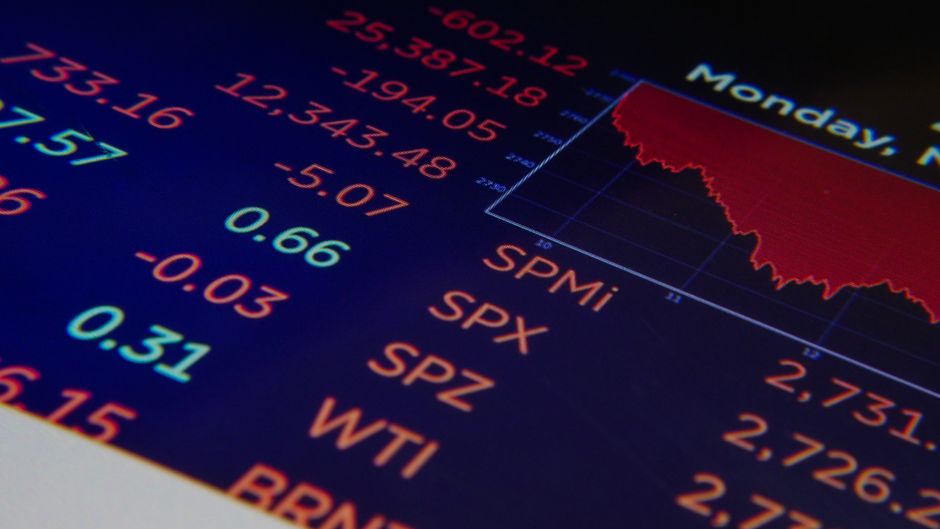
- When interest rates rise, the cost of borrowing increases, making it more expensive for investors to buy gold and silver.
- A rise in interest rates decreases demand for precious metals, leading to a drop in their prices.
- Historical data shows that rate hikes consistently result in lower gold and silver prices.
- Rate hike fears are driven by expectations of a strong economic recovery.
- Economic changes can significantly impact the precious metals market, affecting investor decisions.
What happens to gold and silver prices when interest rates rise? Recently, the value of these precious metals has tumbled due to growing concerns over potential rate hikes, leaving investors to wonder about the future of the market. As the global economy continues to evolve, understanding the relationship between interest rates and precious metals is crucial for making informed investment decisions. The current decline in gold and silver prices serves as a reminder of the significant impact that economic changes can have on the market.
Understanding the Impact of Rate Hikes on Precious Metals

A rise in interest rates can lead to an increase in the cost of borrowing, making it more expensive for investors to purchase gold and silver. As a result, the demand for these precious metals decreases, causing their prices to drop. This phenomenon is not unique to the current market, as historical data shows that rate hikes have consistently led to a decline in gold and silver prices. For instance, during the 2015-2016 period, the Federal Reserve’s decision to raise interest rates resulted in a significant decrease in gold prices. According to CNBC, the current rate-hike fears are driven by expectations of a strong economic recovery.
Examining the Evidence: Expert Insights and Market Trends

Analysts and experts in the field have weighed in on the current state of the precious metals market, providing valuable insights into the trends and factors driving the decline in gold and silver prices. Reuters reports that many investors are opting for assets with higher yields, such as bonds and stocks, over precious metals. Furthermore, data from the World Gold Council shows that gold demand has decreased in recent months, while silver demand has remained relatively stable. These findings suggest that the market is responding to the anticipated rate hikes, with investors adjusting their portfolios accordingly.
Counter-Perspectives: Alternative Views on the Precious Metals Market

Not all experts agree that the decline in gold and silver prices is solely due to rate-hike fears. Some argue that other factors, such as supply and demand imbalances, geopolitical tensions, and market speculation, also play a significant role in determining precious metal prices. For example, a report by the BBC highlights the impact of mining production costs and currency fluctuations on gold and silver prices. Additionally, some investors believe that precious metals will regain their value in the long term, as they have historically served as a hedge against inflation and economic uncertainty.
Real-World Implications: The Impact on Investors and the Economy

The decline in gold and silver prices has significant implications for investors and the economy as a whole. For those who have invested heavily in precious metals, the current market trends may result in substantial losses. On the other hand, the decrease in gold and silver prices may lead to increased demand from consumers, particularly in industries such as jewelry and electronics. Moreover, the impact of rate hikes on the precious metals market can also affect other sectors of the economy, such as mining and manufacturing, which may experience reduced activity and employment due to decreased demand.
What This Means For You
As an investor, it is essential to stay informed about the current market trends and economic changes that affect the value of your assets. The decline in gold and silver prices serves as a reminder of the importance of diversifying your portfolio and being prepared for potential market fluctuations. By understanding the relationship between interest rates and precious metals, you can make more informed decisions about your investments and navigate the complexities of the market with confidence.
As the global economy continues to evolve, what other factors will influence the precious metals market, and how will investors adapt to these changes? The answer to this question will depend on various factors, including geopolitical events, technological advancements, and shifts in consumer demand. As investors, it is crucial to remain vigilant and responsive to these changes, ensuring that our investment strategies remain aligned with the ever-changing landscape of the market.
Source: Reddit