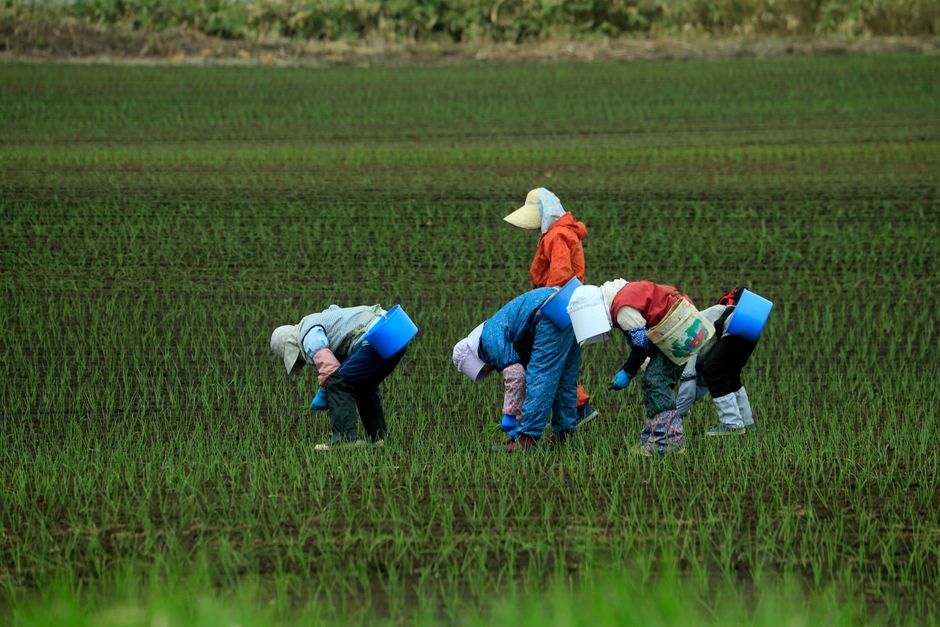
- The UK’s post-Brexit labor shortage has led to an influx of Central Asian migrant workers in the country’s agricultural sector.
- Thousands of workers from countries like Kyrgyzstan and Tajikistan are now making up the majority of the UK’s seasonal farm workforce.
- Central Asian workers are crucial to the UK’s agricultural sector, with many farms relying on them to harvest crops.
- The UK’s decision to leave the EU has led to a decline in EU workers coming to the country to work on farms.
- Without Central Asian workers, the UK’s agricultural sector would face significant losses and many farms would struggle to operate.
- → How Did the UK Become Reliant on Central Asian Workers?
- → What Evidence Supports the Importance of Central Asian Workers?
- → Are There Any Counter-Perspectives to the Use of Central Asian Workers?
- → What Are the Real-World Implications of the UK’s Reliance on Central Asian Workers?
- → What This Means For You
What happens when a country’s agricultural sector faces a severe labor shortage? In the UK, the answer lies in Central Asia, where thousands of migrant workers are being recruited to pick strawberries and other crops. Ten years after Brexit, the UK’s seasonal farm workforce has undergone a significant transformation, with workers from countries such as Kyrgyzstan and Tajikistan now making up the majority of the labor force.
How Did the UK Become Reliant on Central Asian Workers?

The UK’s decision to leave the EU led to a decline in the number of EU workers coming to the country to work on farms. As a result, agricultural chiefs have had to look elsewhere to find the labor needed to harvest crops. Central Asia has become an attractive region for recruitment, with many workers from countries such as Kyrgyzstan and Tajikistan eager to work in the UK. Without these workers, many farms would struggle to operate, and the UK’s agricultural sector would likely face significant losses.
What Evidence Supports the Importance of Central Asian Workers?

Data from the UK’s agricultural industry suggests that Central Asian workers are now the backbone of the seasonal farm workforce. According to a report by the New York Times, many farms would fail without the labor provided by these workers. Quotes from agricultural chiefs also highlight the importance of Central Asian workers, with one chief stating that “without them, we would not be able to harvest our crops.” Sources such as the BBC also support the idea that Central Asian workers are crucial to the UK’s agricultural sector.
Are There Any Counter-Perspectives to the Use of Central Asian Workers?

While the use of Central Asian workers has been seen as a necessary solution to the UK’s labor shortage, there are also concerns about the treatment and working conditions of these workers. Some skeptics argue that the UK’s agricultural industry is taking advantage of these workers, who may be more vulnerable to exploitation due to their migrant status. Alternative views also suggest that the UK should focus on developing its own agricultural workforce, rather than relying on migrant labor. However, the reality is that the UK’s agricultural sector is facing a severe labor shortage, and Central Asian workers are helping to fill this gap.
What Are the Real-World Implications of the UK’s Reliance on Central Asian Workers?

The UK’s reliance on Central Asian workers has significant implications for the country’s agricultural sector and economy. For example, the strawberry industry, which is worth millions of pounds to the UK economy, would likely collapse without the labor provided by Central Asian workers. Concrete examples of the importance of these workers can be seen in the fields of Kent and other agricultural regions, where thousands of workers are busy picking strawberries and other crops. The consequences of not having these workers would be severe, with many farms facing financial ruin and the UK’s food security potentially being compromised.
What This Means For You
The UK’s reliance on Central Asian workers is a reminder that the country’s agricultural sector is heavily dependent on migrant labor. As a consumer, this means that the strawberries and other crops you buy may have been picked by workers from countries such as Kyrgyzstan and Tajikistan. The practical takeaway is that the UK’s food system is complex and relies on a global workforce. As the UK continues to navigate the challenges of Brexit, it is likely that the country’s agricultural sector will continue to rely on migrant workers from Central Asia and other regions.
As the UK’s agricultural industry continues to evolve, it is worth asking what the long-term implications of relying on Central Asian workers will be. Will the UK be able to develop its own agricultural workforce, or will it continue to rely on migrant labor? How will the UK ensure that these workers are treated fairly and have access to good working conditions? These are questions that will need to be answered in the coming years, as the UK’s agricultural sector continues to navigate the challenges of Brexit and a rapidly changing global economy.
Source: The New York Times