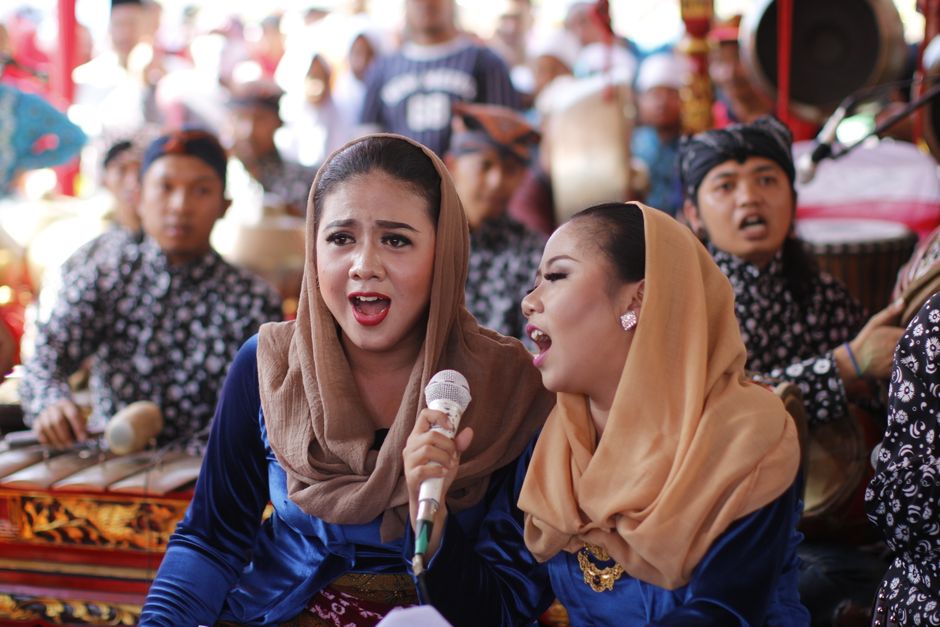
- Iranian singer Parastoo Ahmadi was sentenced to 74 lashes for performing without a hijab, sparking concerns about human rights.
- The sentence includes a two-year ban on leaving the country or performing, raising fears of a crackdown on artistic freedom.
- Ahmadi’s case has drawn international attention, with many seeing it as a test of the government’s commitment to artistic freedom and women’s rights.
- Iran’s government has been increasingly strict in enforcing hijab laws, with women facing arrest and prosecution for not wearing the headscarf.
- The sentence has sparked outrage among human rights groups, who see it as a clear violation of international law.
Parastoo Ahmadi, a prominent Iranian singer, has been sentenced to 74 lashes for performing without a hijab, a ruling that has sparked widespread concern about the country’s human rights record. The sentence, which also includes a two-year ban on leaving the country or performing, has dampened hopes for a more moderate postwar regime in Iran. Ahmadi’s case has drawn international attention, with many seeing it as a test of the government’s commitment to artistic freedom and women’s rights.
Current Situation

The current situation in Iran is marked by a crackdown on artistic expression and a tightening of social norms. The government has been increasingly strict in enforcing hijab laws, with many women facing arrest and prosecution for failing to wear the headscarf in public. Ahmadi’s sentence is seen as part of this broader trend, with many fearing that it will have a chilling effect on artistic freedom and creativity. The sentence has also sparked outrage among human rights groups, who see it as a clear violation of international law.
Historical Context

The story behind Ahmadi’s sentence is rooted in Iran’s complex and often tumultuous history. The country has a long tradition of artistic expression, with music and poetry playing a central role in Iranian culture. However, the 1979 revolution brought about a significant shift in the government’s approach to the arts, with many artists facing persecution and censorship. In recent years, there have been hopes that the government would take a more moderate approach, but Ahmadi’s sentence suggests that this may not be the case. The sentence has also drawn comparisons to the treatment of other artists and activists in Iran, who have faced similar persecution and prosecution.
Key Players

Parastoo Ahmadi is a well-known Iranian singer and songwriter, who has been active in the music scene for many years. She is seen as a talented and courageous artist, who has been willing to push boundaries and challenge social norms. The Iranian government, on the other hand, is led by a conservative leadership that has been increasingly strict in enforcing social norms and suppressing dissent. The government’s motivations for sentencing Ahmadi are unclear, but it is likely that they see her as a threat to their authority and a challenge to their strict interpretation of Islamic law.
Consequences

The consequences of Ahmadi’s sentence are far-reaching and potentially devastating. The sentence has already had a chilling effect on artistic freedom in Iran, with many artists and musicians fearing that they will face similar persecution. The sentence has also sparked outrage among human rights groups, who see it as a clear violation of international law. Ahmadi herself faces a significant risk of physical harm, as well as the loss of her livelihood and reputation. The sentence has also damaged Iran’s reputation internationally, with many seeing it as a clear indication of the government’s disregard for human rights and artistic freedom.
The Bigger Picture
Ahmadi’s sentence is part of a broader trend of suppression and persecution in Iran, which has significant implications for the country’s future. The sentence suggests that the government is committed to enforcing strict social norms and suppressing dissent, which could have serious consequences for the country’s development and stability. The sentence has also sparked concerns about the impact of the government’s policies on women’s rights and artistic freedom, with many seeing it as a clear indication of the government’s disregard for these values. For more information on the situation in Iran, see the Human Rights Watch report on the country’s human rights record.
The international community is watching Ahmadi’s case closely, with many calling for her sentence to be overturned. The case has sparked a significant amount of publicity and outrage, with many seeing it as a clear indication of the Iranian government’s disregard for human rights and artistic freedom. As the situation continues to unfold, it remains to be seen what the consequences will be for Ahmadi and for the broader artistic community in Iran. For updates on the situation, see the New York Times coverage of international news.
Source: The New York Times