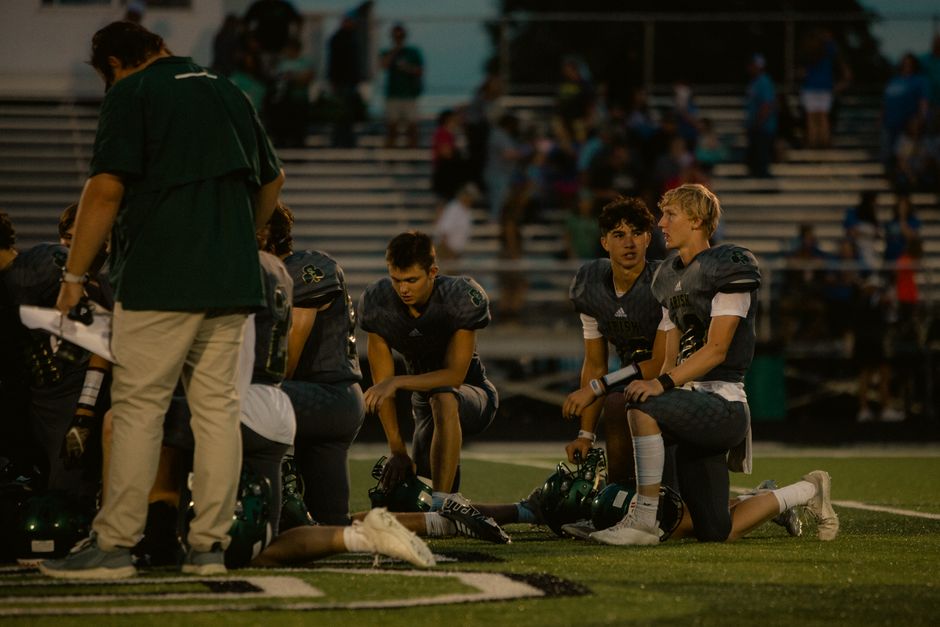
- The World Cup has become a platform for athletes to express their faith and spiritual beliefs.
- Faith plays a significant role in the lives of many football players, providing comfort, strength, and purpose.
- Players from various faith backgrounds are embracing their spirituality and using it as a source of motivation and inspiration.
- Prayer and ritual are essential components of many players’ pre-game preparation, helping them cope with pressure and stay focused.
- The expression of faith on the field highlights the complexities and nuances of human identity.
The World Cup has long been a stage for spectacular football, but this year, it’s also highlighting the significant role faith plays in the lives of many players. As athletes from different countries and backgrounds come together, their religious beliefs and practices are on full display, sparking interesting conversations about the intersection of sports and spirituality. With some players offering prayers, performing Muslim prostrations, or even wearing Jesus-themed shin pads, it’s clear that faith is a vital part of their pre-game routines and overall identities.
Faith on the Field: A Growing Trend

The presence of faith in football is not a new phenomenon, but it’s certainly becoming more visible and widely accepted. Many players have spoken publicly about how their religious beliefs help them cope with the pressures of the game, providing a sense of comfort, strength, and purpose. This trend is not limited to any particular religion or denomination; athletes from various faith backgrounds are embracing their spirituality and using it as a source of motivation and inspiration. As the World Cup continues to captivate global audiences, the expression of faith on the field serves as a poignant reminder of the complexities and nuances of human identity.
The Power of Prayer and Ritual

For many players, prayer and ritual are essential components of their pre-game preparation. Some athletes can be seen praying together as a team, while others prefer more personal, individual moments of reflection. The act of prayer is not only a way to seek divine guidance or protection but also a means of focusing one’s mind and calming the nerves. Additionally, rituals such as the Muslim prostration, known as sujud, are an integral part of some players’ faith practices, allowing them to connect with their beliefs and find solace in the midst of intense competition. As research has shown, these spiritual practices can have a profound impact on an athlete’s mental and emotional well-being.
Counter-Perspectives: The Role of Secularism

While the expression of faith on the field is widely accepted, there are also those who argue that sports should remain a secular domain. Some critics contend that the prominent display of religious symbols or practices can be alienating or exclusionary, potentially creating divisions within teams or among fans. Furthermore, the commercialization of faith, as seen in the marketing of religious-themed sports gear, raises important questions about the commodification of spirituality and the potential for cultural appropriation. As the conversation around faith and sports continues to evolve, it’s essential to consider these counter-perspectives and strive for a nuanced understanding of the complex issues at play.
Real-World Impact: Community and Identity

The intersection of faith and sports has significant real-world implications, extending far beyond the confines of the stadium. For many players, their religious beliefs are deeply intertwined with their sense of community and identity. By expressing their faith openly, athletes can help foster a sense of connection and belonging among fans who share similar beliefs. Moreover, the visibility of faith in sports can also contribute to greater understanding and tolerance, breaking down cultural and religious barriers and promoting a more inclusive environment. As the World Cup demonstrates, the beautiful game has the power to unite people across borders and backgrounds, and the expression of faith is an integral part of this unifying force.
What This Means For You
As a fan or observer of the World Cup, the prominent display of faith on the field invites reflection on the role of spirituality in our own lives. Whether or not we identify with a particular religion, the example set by these athletes encourages us to consider the ways in which our beliefs and values shape our experiences and interactions. By embracing the diversity of faith expressions in sports, we can cultivate a more compassionate and empathetic community, one that celebrates the complexities and richness of human identity.
As we look to the future of sports and faith, an important question emerges: How can we balance the desire for self-expression and religious freedom with the need for inclusivity and respect for diverse perspectives? As the world continues to watch and engage with the World Cup, this question will undoubtedly be at the forefront of many conversations, sparking meaningful discussions and debates about the intricate relationships between sports, spirituality, and society.
Source: Financial Times