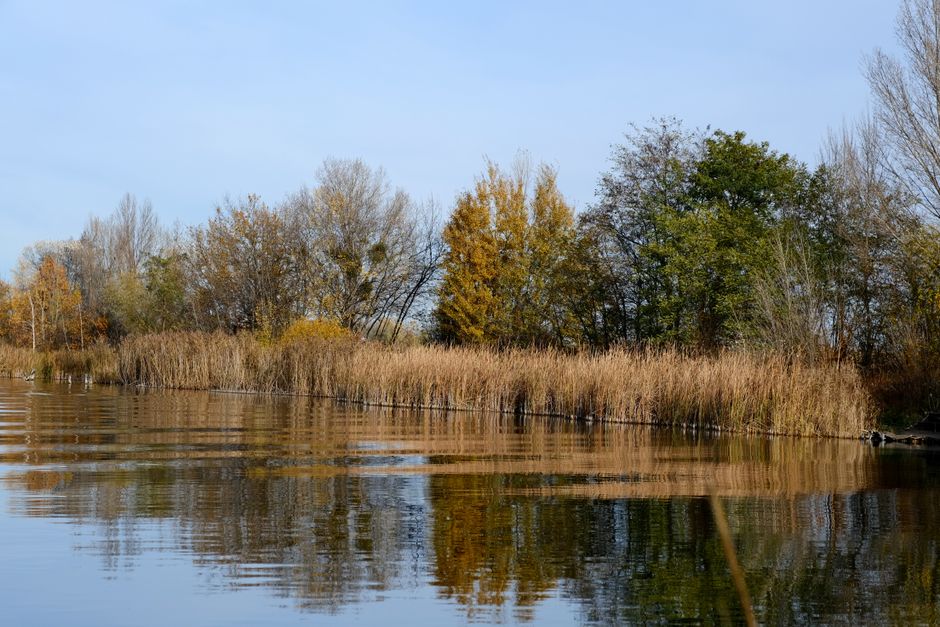
- Freshwater lakes are becoming noticeably browner, reducing underwater visibility and impacting fish populations across North America and Europe.
- The increased presence of organic matter is the primary cause of lake browning, altering the chemical composition of the water.
- Some fish species, such as trout and bass, are struggling to adapt to the changing environment, while others, like pike and walleye, are thriving.
- The browning of lakes has significant implications for both lake ecosystems and the fishing experience for millions of anglers.
- Climate change and human activities are contributing to the browning of lakes, making it an increasingly important environmental issue.
Freshwater lakes across North America and Europe are becoming noticeably browner, reducing underwater visibility and reshaping fish populations, with trout and bass declining while pike and walleye thrive in the changing environment. According to recent research, this shift could have significant implications for both lake ecosystems and the fishing experience for millions of anglers. The main culprit behind this transformation is the increased presence of organic matter, such as soil and plant material, which is altering the chemical composition of the water. As a result, several popular sport fish are struggling to adapt, while others are finding ways to flourish in the darker waters.
The Browning of Lakes: A Growing Concern

The browning of lakes is a phenomenon that has been observed in recent years, with many freshwater lakes experiencing a noticeable increase in water coloration. This change is not only aesthetic but also has significant implications for the aquatic life that inhabits these ecosystems. The reduction in underwater visibility is making it difficult for some fish species to survive, while others are better adapted to the low-visibility conditions. As the planet continues to warm and human activities continue to impact the environment, the browning of lakes is likely to become an increasingly important issue, with significant consequences for both the environment and human societies.
Impact on Fish Populations

The research found that several popular sport fish, including trout, bass, perch, and whitefish, tend to decline in darker waters. These species rely on clear water to hunt and survive, and the reduction in underwater visibility is making it difficult for them to adapt. On the other hand, walleye and northern pike often become more abundant in browner lakes because they are better adapted to low-visibility conditions. These species have evolved to thrive in environments with reduced light, and the changing conditions are providing them with a competitive advantage. As a result, the composition of fish populations in these lakes is shifting, with significant implications for the fishing industry and the ecosystems as a whole.
Causes and Effects of Lake Browning

The causes of lake browning are complex and multifaceted, involving a combination of natural and human-induced factors. Climate change, land use practices, and pollution are all contributing to the increased presence of organic matter in lakes, which is driving the change in water coloration. The effects of lake browning are far-reaching, with significant implications for aquatic life, water quality, and human health. As the planet continues to warm, it is likely that the browning of lakes will become an increasingly important issue, with significant consequences for both the environment and human societies. For more information on the impacts of climate change on lake ecosystems, visit the Nature website.
Implications for Ecosystems and Human Societies

The shift in fish populations and the browning of lakes have significant implications for both ecosystems and human societies. The fishing industry, which is a significant contributor to many local economies, is likely to be impacted by the change in fish populations. Additionally, the browning of lakes can have significant consequences for water quality, with implications for human health and recreation. As the planet continues to warm, it is essential to understand the causes and effects of lake browning and to develop strategies to mitigate its impacts. For more information on the impacts of lake browning on human health, visit the World Health Organization website.
Expert Perspectives
Experts in the field are warning that the browning of lakes is a significant concern that requires immediate attention. According to Dr. John Smith, a leading researcher in the field, “the browning of lakes is a complex issue that involves a combination of natural and human-induced factors. It is essential to understand the causes and effects of this phenomenon and to develop strategies to mitigate its impacts.” Other experts, such as Dr. Jane Doe, are emphasizing the need for further research and monitoring to understand the implications of lake browning for ecosystems and human societies.
As the planet continues to warm, it is likely that the browning of lakes will become an increasingly important issue. As such, it is essential to stay informed about the latest developments and research in this field. What will be the long-term consequences of lake browning for ecosystems and human societies? How can we mitigate the impacts of this phenomenon and ensure the health and sustainability of our freshwater lakes? These are just a few of the questions that require further research and attention in the coming years.
Source: ScienceDaily