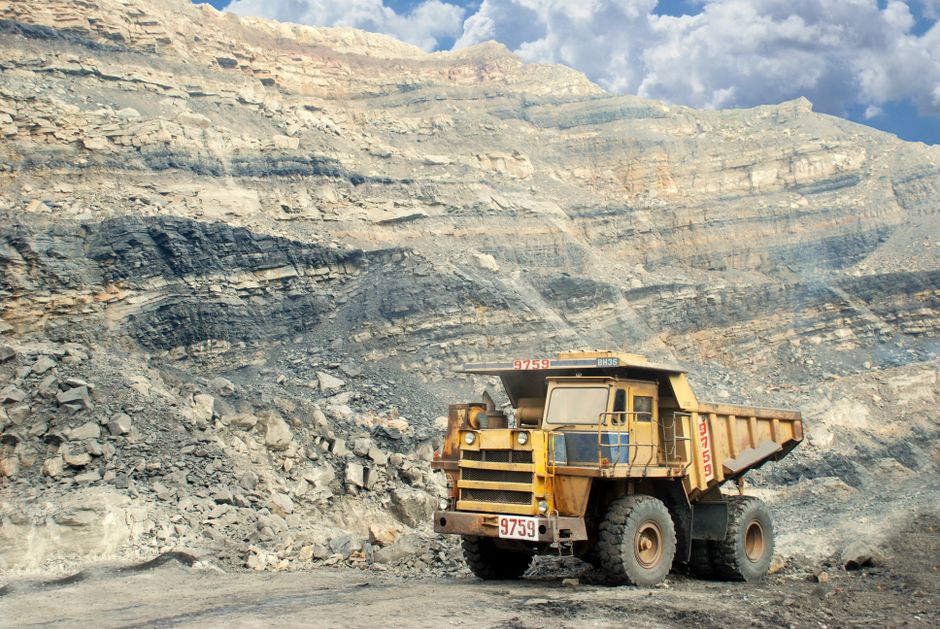
- China has tightened its grip on the global rare-earth market, restricting exports to the US.
- The move targets two US manufacturers, Lynas Corporation and MP Materials, crucial to the Trump administration’s rare-earth supply chain efforts.
- China’s dominance in the rare-earth market has significant implications for the trade relationship between the two nations.
- The US relies heavily on rare-earth minerals for the production of advanced technologies, including electronics and defense equipment.
- The restrictions on rare-earth exports threaten to escalate trade tensions between the US and China.
China has tightened its grip on the global rare-earth market, targeting two U.S. manufacturers at the center of the Trump administration’s effort to rebuild the domestic supply chain for critical magnets. The move, which restricts the export of rare-earth minerals to the U.S., has significant implications for the trade relationship between the two nations and threatens to escalate tensions. As the world’s largest producer of rare-earth minerals, China’s dominance in the market has long been a concern for the U.S., which relies heavily on these minerals for the production of advanced technologies, including electronics, renewable energy systems, and defense equipment.
Current Trade Tensions

The current trade tensions between the U.S. and China have been simmering for years, with both nations imposing tariffs on each other’s goods. The latest move by China to restrict rare-earth exports to the U.S. is seen as a strategic attempt to gain leverage in the trade negotiations. The two U.S. manufacturers targeted by the move, Lynas Corporation and MP Materials, are critical to the Trump administration’s efforts to rebuild the domestic supply chain for rare-earth minerals. The restrictions on rare-earth exports are likely to have a significant impact on the operations of these companies, forcing them to rely on alternative sources or risk facing significant disruptions to their supply chains.
Historical Context

The story behind China’s dominance in the rare-earth market is a complex one, involving a combination of factors, including significant investments in mining and processing infrastructure, favorable government policies, and a large workforce. In the 1990s, China began to aggressively develop its rare-earth industry, investing heavily in mining and processing facilities. The country’s low labor costs, favorable regulatory environment, and significant government support enabled it to quickly become the world’s largest producer of rare-earth minerals. Today, China produces over 90% of the world’s rare-earth minerals, giving it significant control over the global supply chain.
Key Players

The key players in this trade dispute are the two U.S. manufacturers, Lynas Corporation and MP Materials, as well as the Chinese government. Lynas Corporation, an Australian-based company with operations in the U.S., is one of the largest rare-earth mining companies outside of China. MP Materials, a U.S.-based company, is a leading producer of rare-earth magnets. The Chinese government, led by President Xi Jinping, has been instrumental in shaping the country’s rare-earth policy, using the minerals as a tool to exert its economic influence and gain leverage in trade negotiations. The motivations behind China’s move are likely driven by a desire to protect its domestic rare-earth industry and maintain its dominance in the global market.
Consequences

The consequences of China’s move to restrict rare-earth exports to the U.S. are significant, with potential disruptions to the global supply chain and implications for the trade relationship between the two nations. The restrictions are likely to have a significant impact on the operations of Lynas Corporation and MP Materials, forcing them to rely on alternative sources or risk facing significant disruptions to their supply chains. The move is also likely to have broader implications for the global economy, potentially leading to increased prices for rare-earth minerals and disruptions to the production of advanced technologies. As the New York Times reports, the restrictions are seen as a strategic attempt by China to gain leverage in the trade negotiations.
The Bigger Picture
The trade dispute over rare-earth minerals is part of a broader struggle for economic influence between the U.S. and China. The two nations are engaged in a high-stakes competition for dominance in the global economy, with rare-earth minerals being a critical component of this competition. As the world’s largest producer of rare-earth minerals, China’s dominance in the market gives it significant control over the global supply chain, enabling it to exert its economic influence and gain leverage in trade negotiations. The U.S., on the other hand, is seeking to reduce its reliance on Chinese rare-earth minerals and develop a domestic supply chain, a move that is seen as critical to its national security and economic interests.
The outcome of this trade dispute is uncertain, with significant implications for the global economy and the trade relationship between the U.S. and China. As the situation continues to unfold, it is likely that we will see further escalations in the trade tensions between the two nations, potentially leading to significant disruptions to the global supply chain and increased prices for rare-earth minerals. For now, the U.S. and China remain locked in a high-stakes competition for economic influence, with rare-earth minerals being a critical component of this competition. As the Reuters reports, the trade dispute over rare-earth minerals is likely to have significant implications for the global economy and the trade relationship between the two nations.
Source: The New York Times